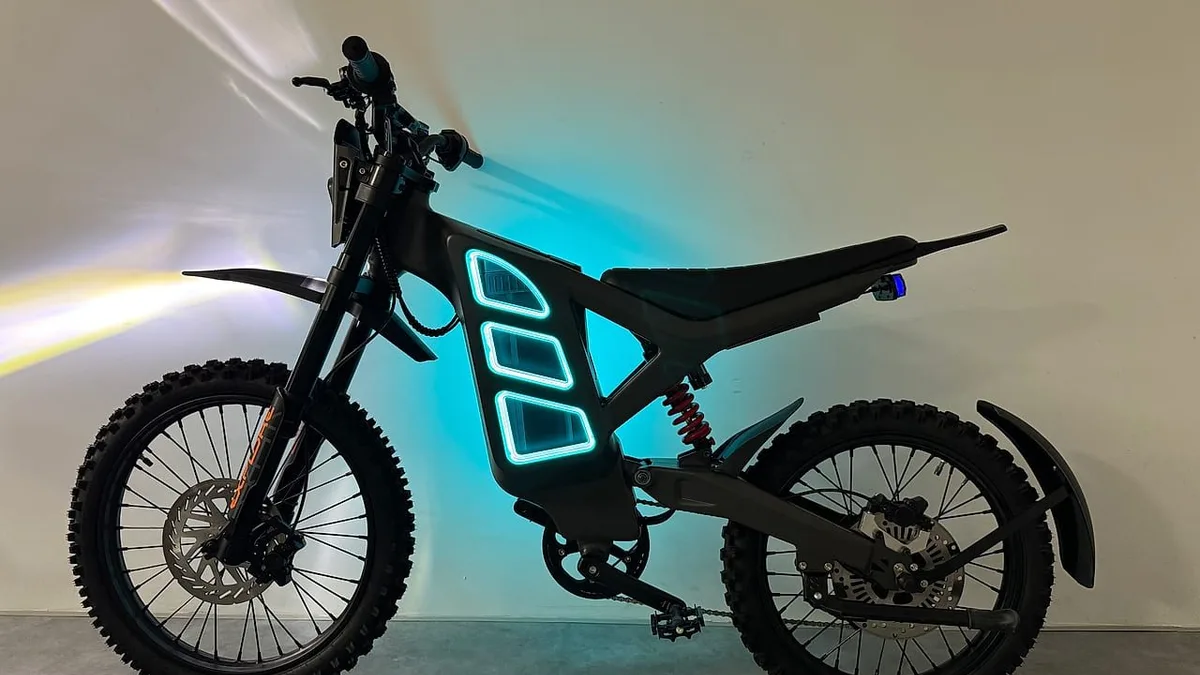
Launching a private-label e-bike line doesn't require a massive budget—it requires smart sourcing, realistic specs, and a factory partner who understands your market. This guide walks distributors, importers, and retail chains through the key decisions that keep costs low without sacrificing quality or compliance.
## Why a budget e-bike line makes sense for distributors and importers
E-bike demand continues to grow across CIS, Middle East, South America, Africa, and Europe, but margins are tightening. A budget-focused product line lets you capture price-sensitive buyers while building brand recognition. The key is to avoid over-specifying: many first-time buyers don't need a 750W motor or a 1 kWh battery. They need a reliable commuter bike with a 250–500W motor, a 36–48V battery, and valid certification for their region. By targeting this segment, you can order smaller quantities, test the market, and scale only what sells. Factories that specialize in OEM production can help you hit a landed cost that leaves room for distribution margins and retail markups.
## Key specs that matter—and where you can save
Motor power is the first cost driver. For European markets, 250W (36V) is the legal limit for pedal-assist bikes, so don't pay for 500W unless you're targeting off-road or private-land use. In CIS and South America, 350–500W is common and cost-effective. Battery capacity: a 36V 10–14Ah (360–500Wh) pack covers most urban commutes and keeps shipping costs down (lithium batteries are classified as dangerous goods). Certification is non-negotiable: CE for Europe, UKCA for the UK, and local equivalents elsewhere. Ask for EN 15194 test reports for Europe. Frame material: aluminum is lighter and more corrosion-resistant than steel, but steel frames can reduce cost for low-end models. Components like brakes, drivetrain, and tires can be downgraded to reputable budget brands without hurting safety. Avoid custom tooling on your first order—use the factory's existing molds and standard colors.
## Buying and verification checklist
Before placing a bulk order, verify the factory's credentials: business license, export license, and ISO 9001 if available. Request a sample (you'll pay for it, but it's essential). Test the motor under load, check battery voltage sag, and inspect weld quality and paint finish. Ask for a bill of materials (BOM) with brand names for cells (Samsung, LG, or Chinese tier-1 like CATL) and motor supplier. Confirm the factory can provide the certification documents you need—not just a promise. Check their experience with your region: do they know the plug types, voltage standards, and labeling requirements? For CIS, ask about EAC certification; for the Middle East, SASO or ESMA depending on the country. Finally, request references from other buyers in your region and, if possible, visit the factory or use a third-party inspection service.
## MOQ, pricing, and the B2B order process
Most e-bike factories set MOQ at 50–100 units per model, but some will accept 20–30 units for a trial order at a higher unit price. Pricing depends on specs, order volume, and payment terms. Expect to pay 30% deposit and 70% before shipment (or against a copy of the bill of lading). Ask for a detailed quotation that separates bike cost, battery cost, packaging, and certification fees. Freight is a major cost: sea freight to CIS or South America can add 10–20% to landed cost, and lithium batteries require special handling. For small trial orders, consider rail or road freight to CIS. Always clarify Incoterms (FOB, CIF, or DDP) and who handles customs clearance. Factories experienced with your region can recommend freight forwarders and help with documentation.
## How to start a private-label / OEM order
Start with a clear product brief: target price, motor power, battery capacity, frame type, and any must-have components. The factory will propose a base model from their existing catalog—this is the cheapest route. For private label, you'll need your logo on the frame, battery, and packaging; most factories offer this for a small setup fee (often $200–$500) and a minimum order of 50 units. Ask for a pre-production sample with your branding before mass production. Confirm the warranty terms (typically 1–2 years on frame, 1 year on motor and battery) and spare parts availability. Discuss after-sales support: will the factory supply replacement controllers, displays, and batteries? A good factory partner will also help you with user manuals and certification labeling for your market.
Building a budget e-bike line is about disciplined sourcing, not cutting corners on safety. Focus on proven designs, standard components, and a factory that supports your region—then scale as demand grows.