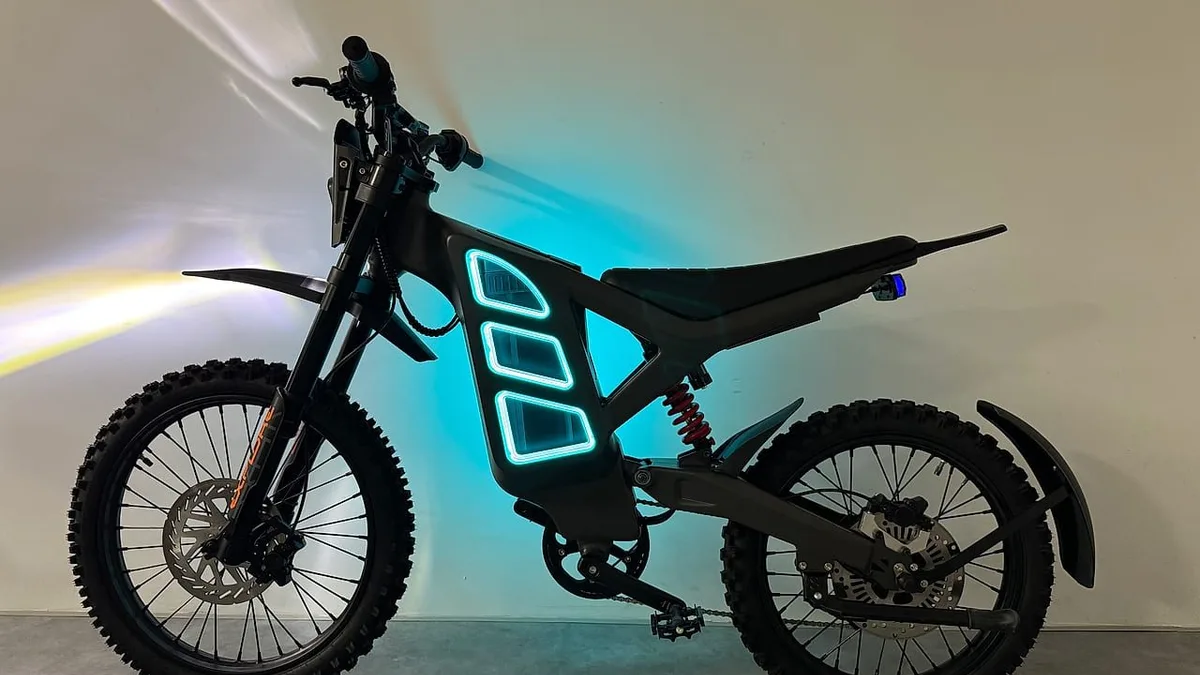
Sourcing folding e-bikes in bulk from a factory is a strategic move for distributors, importers, and retail chains looking to capture the growing demand for compact, portable electric transport. Unlike standard e-bikes, folding models require careful attention to hinge durability, frame geometry, and transport logistics. This guide walks you through the critical factors—from motor and battery specs to certification, MOQ, and OEM options—so you can place a bulk order with confidence and avoid costly mistakes.
## Why folding e-bikes matter for distributors and importers
Folding e-bikes occupy a unique niche: they appeal to urban commuters, RV owners, and multi-modal travelers who need a bike that fits into a car trunk, apartment elevator, or public transport. For B2B buyers, this translates into higher margin potential and broader market reach compared to standard commuter e-bikes. In CIS countries, where apartment living is common, folding models solve storage challenges. In the Middle East and Africa, portability aids last-mile delivery fleets. In Europe, they align with compact living and sustainability trends. By sourcing directly from a factory, you control quality, customize specs, and secure competitive pricing that retail-ready imports cannot match.
## Key specifications that determine quality and market fit
When evaluating a folding e-bike factory, focus on the components that drive reliability and customer satisfaction. The motor is paramount: most folding models use 250W–500W rear hub motors. For European markets, 250W is the legal limit for pedal-assist; for CIS, Middle East, and South America, 350W–500W offers better hill-climbing and payload capacity. Battery capacity directly affects range—typically 10Ah to 20Ah (36V or 48V). Insist on Samsung, LG, or Panasonic cells for cycle life and safety; generic cells may save cost but risk warranty claims. The frame hinge is the Achilles' heel of folding e-bikes: look for reinforced steel or aluminum hinges with dual locking mechanisms and tested to 10,000+ fold cycles. Also verify brake type (mechanical disc is common; hydraulic disc is premium), tire size (20-inch is standard for portability), and whether the bike includes lights, fenders, and a rear rack—features that distributors often need to add locally.
## Certification and compliance checklist
Certification is non-negotiable for legal import and sale. For the EU, folding e-bikes must carry CE marking and comply with EN 15194 (EPAC standard), which covers electrical safety, battery testing, and electromagnetic compatibility. Batteries require UN38.3 transport certification and often IEC 62133 for cell safety. In the UK, UKCA marking applies. For CIS countries, EAC certification (TR CU 004/2011 and TR CU 020/2011) is mandatory. Middle East markets may require SASO (Saudi Arabia) or ESMA (UAE) approvals. Always request test reports from the factory and verify they are issued by accredited laboratories. A reputable factory will have these documents ready and can assist with country-specific labeling and documentation.
## MOQ, pricing, and the bulk order process
Minimum order quantities for folding e-bikes typically range from 50 to 100 units per model, though some factories accept 30 units for mixed-color orders. Pricing scales with volume: expect FOB prices between $350 and $800 per unit depending on specs, with discounts of 5–15% for orders above 200 units. The order process starts with a specification sheet and sample request (usually 1–2 units at sample cost). After sample approval, negotiate payment terms—typically 30% deposit, 70% before shipment. Production lead time is 30–45 days. Shipping options include sea freight (most economical for bulk, 25–40 days to CIS/Europe, 20–30 days to Middle East/Africa) and rail freight to CIS (20–25 days). Always clarify Incoterms (FOB, CIF, or DDP) and request a pre-shipment inspection. For South America, consider transit times of 35–50 days and customs nuances in Brazil and Argentina.
## How OEM and private-label orders work
OEM (original equipment manufacturer) and private-label orders allow you to build a unique brand without owning a factory. The process begins with selecting a base model from the factory’s catalog, then customizing: frame color and decals, battery capacity, motor brand, display type, and packaging. Most factories require a minimum of 100–200 units for full OEM customization, though some offer lighter customization (logo on frame, custom box) at 50 units. You will need to provide artwork and specifications; the factory handles production and can assist with certification under your brand. Expect a development timeline of 45–60 days for first OEM production. Protect your brand by signing a non-disclosure agreement and confirming that the factory will not sell your customized model to other buyers in your territory.
Sourcing folding e-bikes in bulk is a high-reward opportunity for B2B buyers who prioritize hinge quality, battery safety, and certification. By following the checklist above—verifying specs, demanding test reports, and understanding MOQ and OEM terms—you can build a profitable product line that meets regional regulations and customer expectations. Start with a sample order, scale gradually, and partner with a factory that supports your growth with transparent communication and consistent quality.