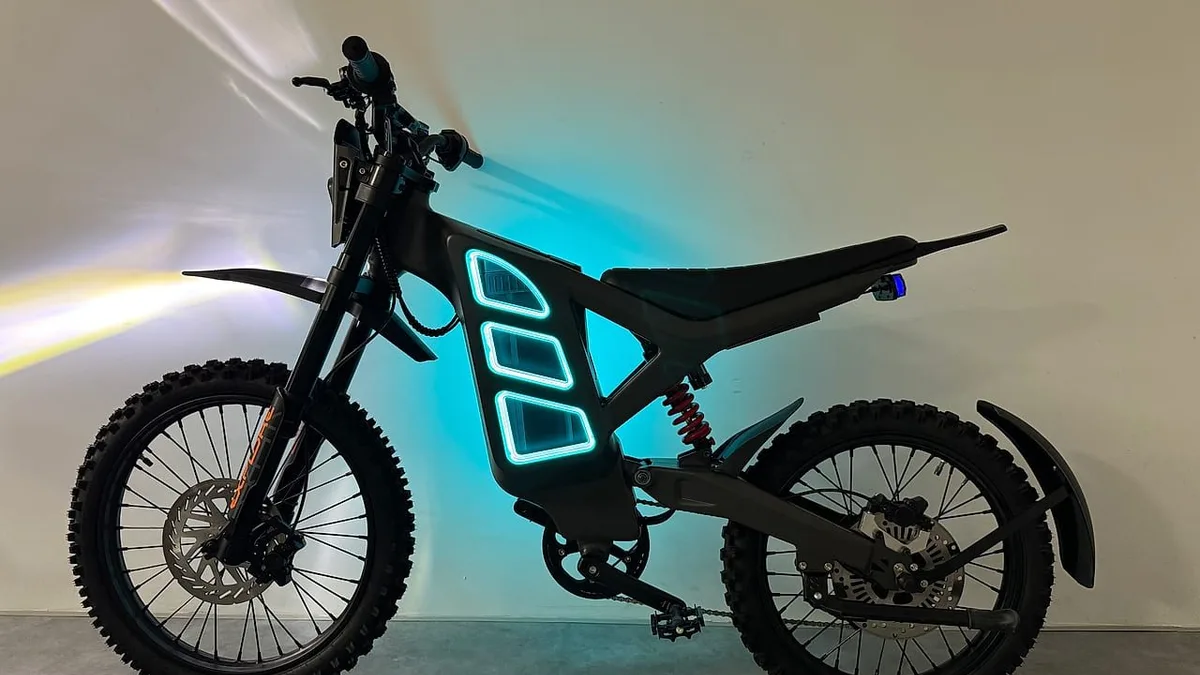
Importers, distributors, and private-label brands need commuter e-bikes that balance reliability, certification, and landed cost. This ranking is built for B2B buyers who source in volume, not for end consumers. The models below are ordered by our fixed program ranking, and each note explains why the platform suits wholesale channels in the CIS, Middle East, South America, Africa, and Europe.
## Why this ranking matters for distributors and importers
Commuter e-bikes are the highest-volume segment in most emerging e-bike markets. They are used for daily transport, delivery, and short urban trips, so buyers care about repairability, spare-part availability, and consistent battery quality more than flashy features. A distributor who picks the wrong frame or motor platform can be stuck with warranty claims and slow-moving stock for two seasons.
This ranking focuses on platforms that factories can produce at scale with stable BOMs. Each model is evaluated on motor type, battery integration, frame geometry, and certification readiness for the target regions. The order is fixed by our program, so use the notes to match each platform to your market rather than treating the list as a generic top-five.
## Key specs that matter: motor, battery, and certification
For commuter e-bikes, the motor choice usually comes down to 250W or 350W hub motors for Europe and 500W–750W hub or mid-drive units for CIS, Middle East, and South America. Hub motors are cheaper to service and easier to stock as spare parts; mid-drive systems offer better torque for hilly cities but require more skilled warranty handling. Ask the factory for continuous and peak ratings, not just marketing numbers.
Battery capacity should be quoted in Wh, not just voltage and Ah. A 36V 14Ah pack is roughly 500Wh, which is the practical minimum for a commuter bike with a rear rack and lights. Confirm cell brand, BMS configuration, and whether the pack is removable and lockable. Certification is non-negotiable: EN 15194 for Europe, UKCA for the UK, and local conformity or registration support for CIS and Middle East markets. Request test reports and UN 38.3 transport documents before placing a bulk order.
## Buying and verification checklist before you order
Start with a sample order and test the bike under load for at least two weeks. Check weld quality, cable routing, and whether the battery mount rattles on rough roads. Verify that the controller is potted or conformal-coated if you ship to humid regions in Africa or the Middle East.
Ask for the full spare-parts list with prices, including motor internals, controllers, displays, and battery cases. A factory that cannot supply spares in volume is a risk for distributors. Confirm the warranty terms in writing: typically 12–24 months on the frame, 12 months on the motor, and 12–18 months on the battery with capacity retention thresholds. Also request the factory's audit reports and check whether they can support your label's packaging and manual requirements.
## MOQ, pricing, and the B2B factory order process
MOQ for commuter e-bikes typically ranges from 50 to 100 units per model and color, but factories often accept mixed containers with two or three models. Pricing is quoted FOB, so you need to add freight, insurance, and import duties for your region. For CIS and Middle East buyers, road and rail freight from China is common; for South America and Africa, sea freight with consolidated containers keeps costs down.
Payment terms are usually 30% deposit and 70% before shipment, with Trade Assurance or LC options for larger orders. Ask for a production schedule with milestone photos and a pre-shipment inspection. Grade A factories will provide a QC report and allow third-party inspection. Build in 15–20% buffer time for certification paperwork and shipping delays, especially during peak season.
## How OEM and private-label orders work
Private-label commuter e-bikes usually start from an existing frame and motor platform, then customize color, decals, display branding, and packaging. Tooling changes for a new frame are expensive and slow, so most importers begin with OEM colors and labels on a proven platform. Ask the factory for a branding kit template, including decal placement and manual layout.
For OEM orders, confirm who owns the mold and whether the factory will reserve the platform for your brand. Request a sample with your branding before mass production, and agree on a quality standard document that covers paint thickness, torque values, and battery burn-in testing. A clear OEM agreement protects both sides and makes repeat orders faster.
This ranking is a starting point, not a substitute for due diligence. Match each platform to your region's certification, voltage, and spare-parts needs, then verify with samples and factory audits. The best commuter e-bike for importers is the one that sells reliably and services easily in your market.