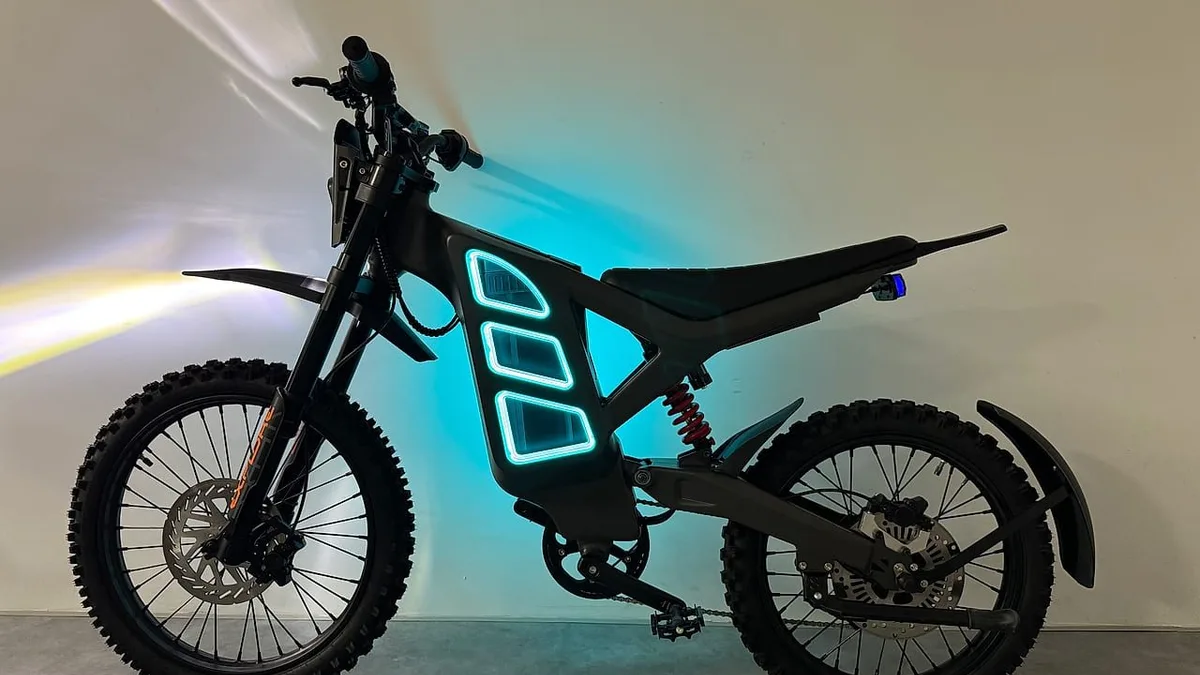
Importing e-bikes from China can be a highly profitable move for distributors, importers, and retail chains, but it requires careful planning. Unlike generic consumer goods, e-bikes involve complex regulations, battery shipping restrictions, and quality risks that can sink your margins if overlooked. This guide walks you through the critical steps—from verifying suppliers and understanding key specs to managing MOQs, freight, and private-label orders—so you can build a reliable supply chain and avoid costly mistakes.
## Why importing e-bikes from China matters for distributors and importers
China dominates global e-bike production, offering a vast range of models, components, and price points. For B2B buyers, this means access to competitive pricing, mature supply chains, and the flexibility to customize products for local markets. Whether you serve CIS, Middle East, South America, Africa, or Europe, Chinese factories can supply everything from entry-level commuter bikes to high-performance cargo e-bikes. However, the market is fragmented: thousands of suppliers vary wildly in quality, certification, and reliability. Your success depends on selecting the right partner and understanding the total cost of ownership—including duties, freight, and after-sales support.
## Key specs that matter: motor, battery, and certification
When evaluating e-bikes, focus on the components that drive performance, safety, and compliance. Motor power (250W, 500W, 750W, or 1000W+) must align with local regulations—Europe limits to 250W and 25 km/h for pedelecs, while some markets allow higher power. Battery capacity (measured in Wh) determines range; common packs range from 360Wh to 960Wh, with lithium-ion cells from reputable brands like Samsung, LG, or Panasonic. Always request cell specifications and cycle life data. Certification is non-negotiable: for Europe, CE and EN 15194 are mandatory; for North America, UL 2849 is increasingly required. Other regions have their own standards (e.g., GCC for the Middle East). Insist on third-party test reports and verify certificates directly with the issuing body. Don't accept photocopies without validation.
## Buying and verification checklist
Before placing an order, perform thorough due diligence. Start with factory audits: request business license, ISO 9001, and evidence of in-house production (not just trading). Ask for references from existing B2B clients in your region. Request samples—ideally two or three units—to test build quality, battery performance, and packaging. Check for hidden costs: what is the warranty policy? Are spare parts readily available? What is the lead time for repeat orders? Use a third-party inspection service (e.g., SGS, Bureau Veritas) for pre-shipment inspection. Also clarify Incoterms (FOB, CIF, DDP) and payment terms (typically 30% deposit, 70% before shipment). For high-value orders, consider escrow or letter of credit. Finally, verify the supplier's experience with exporting to your country—they should know local labeling and documentation requirements.
## MOQ, pricing, and the B2B order process
Most Chinese e-bike factories set MOQs between 50 and 200 units per model, though some accept 20–30 units for trial orders. Pricing depends on specs, order volume, and customization. Expect FOB prices ranging from $300 for basic models to $1,500+ for premium cargo bikes. Always request a detailed quotation breakdown (motor, battery, frame, shipping). The order process typically follows: inquiry → specification confirmation → sample approval → deposit → production → pre-shipment inspection → balance payment → shipping. Freight is a major cost factor: sea freight to CIS, Middle East, South America, Africa, or Europe takes 25–45 days and requires proper dangerous goods (DG) documentation for lithium batteries. Air freight is faster but expensive and restricted for batteries. Work with a freight forwarder experienced in e-bike shipping; they can handle customs clearance and last-mile delivery. Be aware of import duties and taxes in your destination—these can add 10–30% to landed cost.
## How to start a private-label or OEM order
Private-labeling lets you build your brand without manufacturing. Most factories offer OEM services: custom frame colors, logos, battery branding, and even modified geometries. Start by defining your target market and price point, then request a design and specification sheet. Expect tooling costs for custom frames or battery packs (often $2,000–$10,000). MOQs for OEM are usually higher—100–300 units per model. The process: sign NDA → design approval → sample production (2–4 weeks) → sample testing → bulk order. Ensure the contract covers intellectual property, warranty terms, and exclusivity if needed. Also plan for after-sales: spare parts, technical documentation, and marketing assets. A reliable factory will support you with these to help you scale.
Importing e-bikes from China is a strategic move that demands diligence, but with the right checklist and partners, it can yield strong returns. Focus on certification, verify suppliers thoroughly, understand total landed costs, and start with manageable MOQs. Build a relationship with a factory that values transparency and quality—this will be your competitive edge in any market.