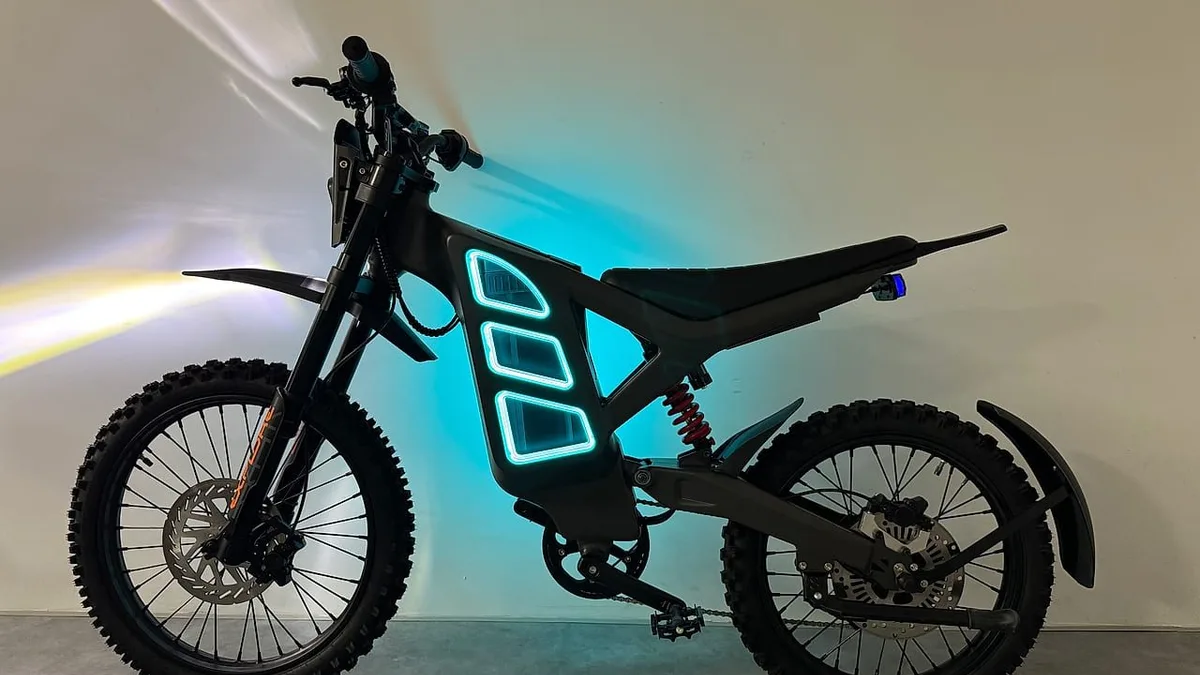
Distributors, importers, and private-label brands are increasingly turning to fat tire e-bikes because they combine all-terrain capability, strong visual appeal, and healthy margins in both mature and emerging markets. But sourcing the right model for wholesale is not about picking the most powerful motor or the lowest quote — it is about matching specs to your region, verifying certifications, and locking in a factory that can scale with your order volume. This ranking is built for B2B buyers who need a repeatable, spec-driven shortlist rather than consumer hype.
## Why fat tire e-bikes make sense for distributors and importers
Fat tire e-bikes (typically 20" or 26" tires, 4.0" wide or more) sell well in markets with mixed roads, snow, sand, or gravel — from CIS winters to Middle East desert tracks and South American unpaved routes. For importers, they offer a higher average order value than standard city e-bikes, and for retail chains they create a distinctive floor model that draws foot traffic. The category also supports easy private-label differentiation: frame color, battery integration, and branding are relatively simple to customize compared with full-suspension mountain platforms.
## Key specs that matter when comparing wholesale fat tire models
Motor power is the first filter: 500W–750W hub motors dominate export catalogs, while 1000W+ units suit markets with looser regulation or off-road positioning. Battery capacity (48V 15Ah–20Ah is the sweet spot) directly affects range claims and return rates — under-spec batteries are the most common source of after-sales complaints. Also check tire brand and puncture protection, frame material (6061 aluminum is standard), brake type (hydraulic vs mechanical), and whether the controller and display are serviceable with common parts. Certification is non-negotiable: CE and EN15194 for Europe, UL 2849 for the US, and local equivalents for your target market.
## Verification checklist before you place a wholesale order
Request a pre-production sample and test it under your local conditions — sand, snow, or steep grades. Ask for battery cell brand and BMS details, motor manufacturer, and controller specs in writing. Confirm the factory can supply spare frames, batteries, and displays for at least three years. Check warranty terms (typically 12–24 months on frame, 6–12 months on battery) and who covers freight for warranty claims. Finally, verify the factory’s export history and ask for references from distributors in your region; a factory that already ships to your market understands the certification and logistics pitfalls.
## MOQ, pricing, and the B2B order process
Most fat tire e-bike factories quote MOQs between 50 and 200 units per model/color, with better pricing above 200 units. Expect FOB pricing to vary by 15–25% depending on battery capacity, motor brand, and brake spec. Shipping to CIS, Middle East, South America, Africa, and Europe differs mainly in freight cost and lead time: sea freight to Europe or CIS typically runs 30–45 days, while Middle East and South America can take 35–55 days. Always confirm Incoterms (FOB, CIF, or DDP) and whether the factory handles dangerous goods documentation for lithium batteries.
## How OEM and private-label orders work
Private-label fat tire e-bikes usually start with a frame and motor platform the factory already produces, then add your logo, color scheme, and spec tweaks (battery size, brake upgrade, rack or fender options). Tooling for a completely new frame is expensive and slow; most importers begin with existing platforms to keep MOQ and lead time manageable. Ask for a spec sheet template, a sample timeline (typically 20–30 days for branded samples), and a clear agreement on intellectual property and exclusivity by region. A factory that provides 3D renderings and packaging design support will shorten your time to market significantly.
Fat tire e-bikes reward buyers who treat sourcing as a spec-and-verification exercise rather than a price hunt. Start with the models above, confirm certifications and spare-part supply, then negotiate MOQ and private-label terms around a platform the factory already builds well. That approach protects your margin and your brand in every region you serve.