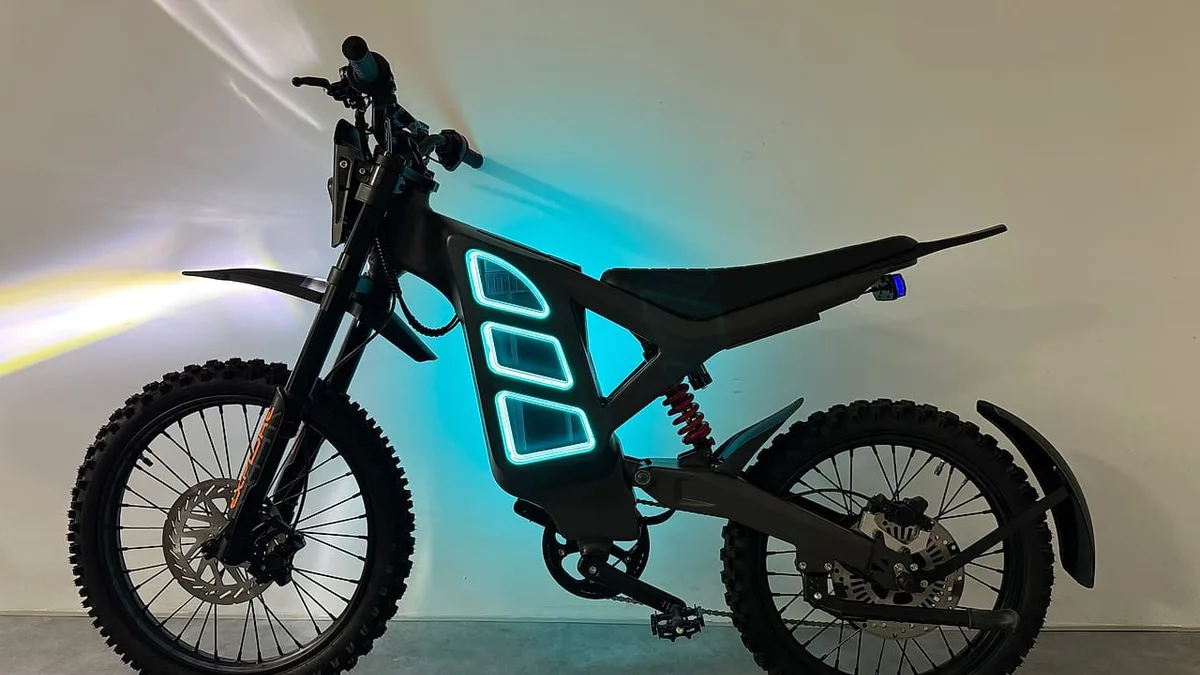
Distributors, importers, and retail chains looking to add kids e-bikes to their catalog face a crowded and often confusing market. The "best" model for wholesale isn’t simply the one with the flashiest specs—it’s the one that balances safety, durability, certification, and margin across your target region. This ranking cuts through the noise for B2B buyers in the CIS, Middle East, South America, Africa, and Europe, focusing on what actually matters when you’re ordering by the container.
## Why kids e-bikes deserve a place in your wholesale portfolio
The kids e-bike segment is growing faster than many adult categories because it sits at the intersection of two powerful trends: parents want to ride with their children, and families are replacing second cars with e-bikes for school runs and weekend trips. For distributors, this means higher basket values than traditional kids bikes, plus strong accessory and replacement-part attachment rates. Importers in Europe face stricter safety expectations, while buyers in the CIS and Middle East often prioritize ruggedness and heat tolerance. A well-chosen kids e-bike line can anchor a family-focused assortment and drive repeat purchases as children grow.
## Key specs that separate wholesale winners from retail headaches
Motor power is the first filter. For kids e-bikes, 250W is the sweet spot for EU compliance and smooth, controllable assistance; 350W–500W models suit markets with hilly terrain or heavier riders, but check local classification. Battery capacity should be sized for realistic range—typically 36V 7.8Ah to 10.4Ah for 25–40 km assisted range—and must use certified cells (Samsung, LG, or equivalent) with a documented BMS. Frame material matters for freight economics: aluminum frames reduce weight and shipping cost, while steel frames lower unit price but add freight weight. Look for adjustable seat posts and handlebars to cover a wider age range with fewer SKUs. Safety features—dual hand brakes, chain guards, and IP-rated battery enclosures—are non-negotiable for retail liability.
## Certification and compliance checklist before you commit
Certification is where many wholesale deals quietly fail. For Europe, demand EN 15194 (EPAC) compliance and CE marking, plus battery UN38.3 transport certification and RoHS/REACH documentation. For the Middle East and Africa, UN38.3 and a clear MSDS are often the minimum for customs clearance. Ask for third-party test reports, not just factory self-declarations, and verify that the charger carries CE or equivalent marks. Check whether the factory holds ISO 9001 and whether battery packs are assembled in-house or outsourced—in-house assembly usually means better traceability. Finally, confirm labeling requirements for your destination (speed limits, age recommendations, and warning labels in local languages).
## MOQ, pricing tiers, and the factory order process
Most kids e-bike factories quote MOQs between 50 and 200 units per model/color, with meaningful price breaks at 100, 300, and 500 units. Expect FOB pricing to vary by 15–25% between these tiers, driven mainly by battery and motor costs. The standard B2B flow is: inquiry with target specs and volume → factory quotation and spec sheet → sample order (1–3 units) → sample approval and deposit (typically 30%) → production (25–45 days) → balance payment → freight booking. For CIS and Middle East buyers, rail and sea LCL/FCL options are common; for South America and Africa, plan for longer transit and verify Incoterms carefully. Always request a pre-shipment inspection and confirm spare-parts ratios (typically 1–2% of order value).
## How OEM and private-label orders work for kids e-bikes
Private label is straightforward once you have a factory partner: choose a base frame and motor platform, then customize color, decals, grips, saddle, and packaging. Most factories require a minimum of 100–200 units per SKU for custom decals and 300+ for custom frame colors or molded parts. Provide your logo files in vector format, approve a pre-production sample, and lock the bill of materials (BOM) in writing—especially battery brand, cell type, and controller firmware. Ask about exclusivity terms for your region and whether the factory will support after-sales documentation (wiring diagrams, error codes, spare-parts lists). A clear OEM agreement protects your brand when retail partners ask about warranty and service.
## Ranking the best kids e-bikes for wholesale
[The ranking list is inserted here in the fixed order provided by the program. Each entry should include model name, key specs, and a one-line B2B note on target market and MOQ.]
Use this ranking as a starting shortlist, not a final decision. Request samples, verify certification documents, and confirm MOQ and lead times against your regional demand before placing a container order. The best wholesale kids e-bike is the one that arrives compliant, rides safely, and keeps your retail partners reordering.