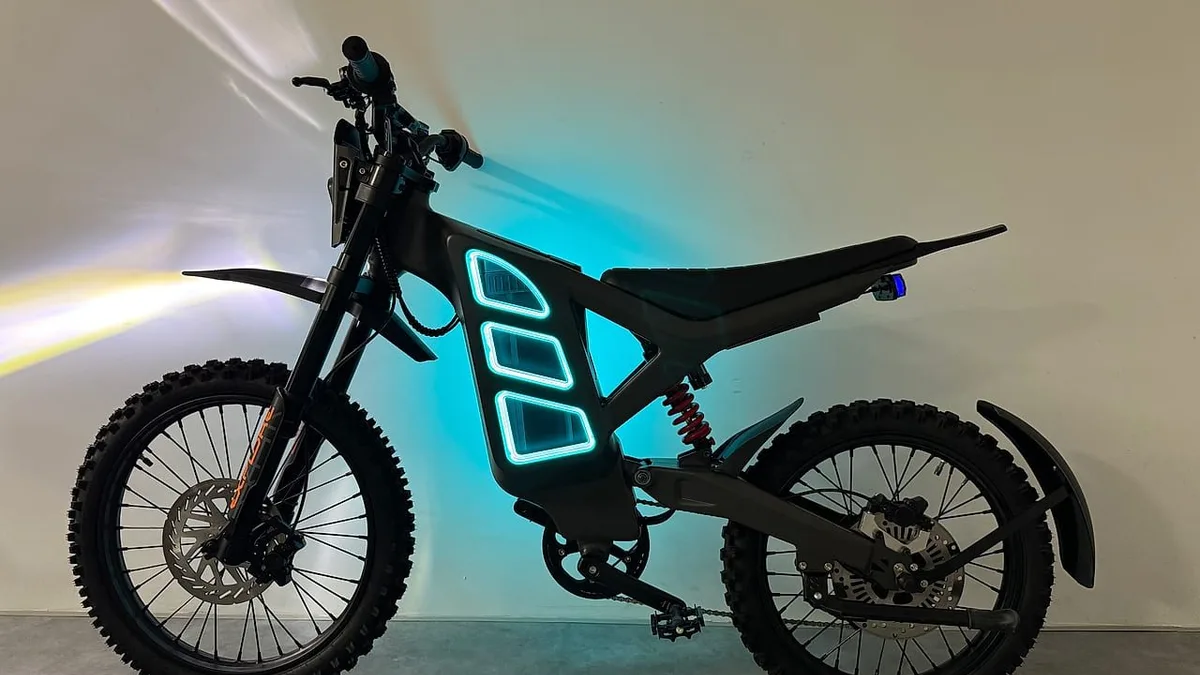
Distributors, importers, and retail chains sourcing mountain e-bikes for wholesale need more than a spec sheet—they need a repeatable way to rank models by real-world profitability, compliance, and after-sales risk. This ranking guide walks through the criteria that separate a container-ready winner from a warranty headache, so you can build a product line that sells through in CIS, Middle East, South America, Africa, and Europe. Use it as a decision framework when comparing factory offers and negotiating private-label programs.
## Why ranking matters for distributors and importers
A mountain e-bike is a high-ticket, high-return item. A single motor or battery failure can wipe out the margin on several units, and certification gaps can stop a container at customs. Ranking candidates before you commit capital forces you to weigh motor pedigree, battery cell quality, frame warranty terms, and spare-parts availability alongside the FOB price. For importers serving mixed regions, the ranking should also reflect climate and terrain: a model that performs in European alpine trails may need a different battery thermal strategy for Middle East heat or African dust. Treat the ranking as a risk-adjusted shortlist, not a beauty contest.
## Key specs that decide the ranking
Motor and drive system: mid-drive units from established suppliers (Bosch, Shimano, Bafang) command higher retail trust and easier service networks, while hub motors lower cost and simplify drivetrain wear. For wholesale, confirm continuous and peak wattage, torque in Nm, and whether the motor is region-locked to 250W (EU) or can be configured to 500W/750W for other markets.
Battery: capacity in Wh matters less than cell brand, BMS quality, and certification. Ask for Samsung, LG, or comparable cells, a BMS with over-discharge and thermal protection, and UN38.3 plus IEC 62133 reports. Removable packs with common mounting standards reduce spare-parts SKUs.
Frame and components: 6061 aluminum frames with documented weld inspection, plus a clear frame warranty (typically 2–5 years). Suspension travel, brake type (hydraulic disc minimum for mountain use), and drivetrain groupset tier should match the price band you plan to sell into.
Certification: CE and EN 15194 for Europe, UKCA for the UK, and local conformity for CIS and Middle East markets. Request test reports, not just certificates, and verify the factory's ISO 9001 status.
## Buying and verification checklist
Before ranking a model highly, verify the factory can prove what it claims. Request a pre-shipment inspection (PSI) with motor and battery serial-number logging, a ride test on a sample, and a tear-down photo set of the battery pack and controller. Check that spare parts—chargers, displays, torque sensors, battery mounts—are catalogued with lead times. Confirm the warranty policy in writing: what is covered, who pays freight on replacements, and how RMA claims are processed. For repeat orders, ask for a golden-sample retention agreement so batch two matches batch one. Finally, review the factory's export history to your target regions and ask for two references from importers in similar markets.
## MOQ, pricing, and the B2B order process
MOQ for mountain e-bikes typically starts at 50–100 units per model or per color, though mixed-container orders can lower the effective threshold. Pricing should be quoted FOB with a clear breakdown: frame, motor, battery, components, assembly, and packaging. Ask for EXW and CIF options to compare freight exposure. For CIS and Middle East, confirm 220–240V charger variants; for South America and Africa, check plug standards and voltage tolerance. Sea freight lead times run 30–45 days plus production of 30–60 days, so plan working capital accordingly. Negotiate payment terms—30% deposit and 70% against B/L copy is common—and insist on a quality clause tied to the PSI report.
## How OEM and private-label ordering works
Private-label programs usually begin with a platform selection: choose an existing frame and motor combination, then customize color, decals, display branding, and packaging. Tooling-free customization (paint, logos, manual, carton) is fastest and lowest risk; new frame molds require higher MOQ and 60–90 days of development. Provide brand assets, target retail price, and region-specific labeling requirements. Confirm who owns the artwork and whether the factory will hold exclusivity for your market. For a first order, request a pre-production sample with your branding and approve it in writing before mass production. Build a spare-parts order (5–10% of unit volume) into the same shipment to support after-sales from day one.
Ranking mountain e-bikes for wholesale comes down to matching verified specs, certification, and after-sales support to your target markets—then locking those terms into the factory agreement. Use this framework to shortlist models, negotiate with evidence, and protect margin across repeat orders.