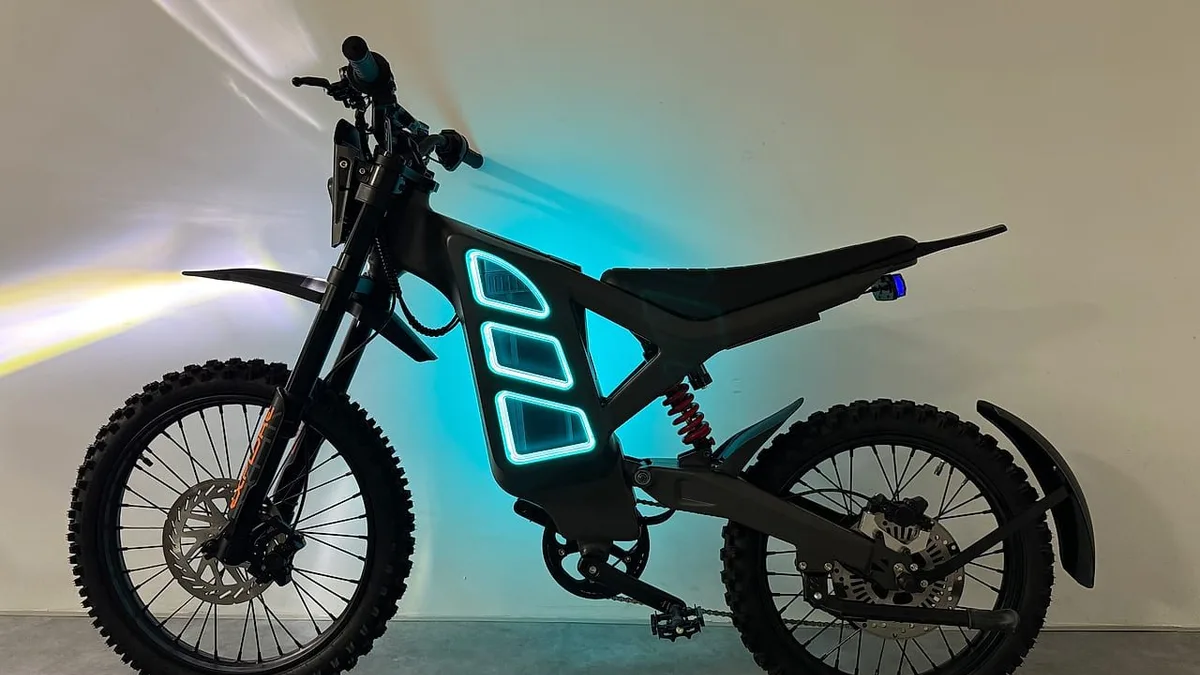
Sourcing electric mountain bikes (e-MTBs) at wholesale is not just about finding the lowest quote per unit. For distributors, importers, and retail chains, the real cost equation includes motor and battery specifications, certification compliance, minimum order quantities, freight, and after-sales support. This guide breaks down the key factors that shape wholesale pricing so you can negotiate confidently and build a profitable e-MTB range for your market.
## Why e-MTB wholesale pricing matters for distributors and importers
Electric mountain bikes sit at the premium end of the e-bike spectrum. Buyers in the CIS, Middle East, South America, Africa, and Europe expect robust frames, powerful mid-drive or hub motors, and long-range batteries. A poorly specified container can tie up capital for months, while a well-chosen model with the right certification and spare-parts support can become a repeat-order winner. Wholesale price is therefore a function of risk management as much as unit cost. Distributors who understand the cost drivers—motor brand, battery cells, frame material, suspension quality, and compliance—can compare offers on equal terms and avoid hidden costs that erode margin after landing.
## Key specifications that drive wholesale price
The motor is the single biggest cost variable. Entry-level hub motors (250W–500W) keep prices low but suit light trail use; mid-drive systems from Bafang, Shimano, or Bosch add significant cost but deliver better torque, weight distribution, and brand appeal. Battery capacity and cell quality matter just as much: a 48V 14Ah pack with generic cells costs far less than a 36V 17.5Ah pack using Samsung or LG cells. Frame material (6061 aluminium vs. carbon), suspension travel, brake type (hydraulic vs. mechanical), and drivetrain groupset (Shimano Altus vs. Deore) each move the wholesale price by 5–15%. For B2B buyers, the sweet spot is often a 250W–500W mid-drive with a 500–750Wh battery, hydraulic disc brakes, and a sturdy aluminium frame—specifications that satisfy European EN 15194 and can be adapted for other regions.
## Certification and compliance checklist
Certification is non-negotiable for serious importers. For Europe, e-MTBs must meet EN 15194 (EPAC) and carry CE marking; batteries need UN38.3 transport testing and often IEC 62133. In the Middle East and South America, local standards vary—some markets accept CE, others require additional testing or registration. Always request the test reports, not just the certificates, and verify that the motor and battery are listed. Check that the factory can provide a Declaration of Conformity and that the product labelling matches the destination country. Missing certification can lead to customs seizures, fines, or forced re-export, wiping out any wholesale price advantage.
## MOQ, pricing tiers, and the B2B order process
Most e-MTB factories set a minimum order quantity (MOQ) of 50–100 units per model, though mixed-container orders are often possible. Pricing typically drops in tiers: 50–99 units, 100–299 units, and 300+ units, with discounts of 5–15% between tiers. The order process usually follows: inquiry and specification sheet → sample order (1–3 units at sample price) → deposit (30–50%) → production (30–45 days) → balance payment → freight booking. For CIS and Middle East buyers, road and rail freight via Kazakhstan or Turkey can be cost-effective; for South America and Africa, sea freight to major ports is standard. Always clarify Incoterms (FOB, CIF, DDP) and who handles customs clearance. Ask for a spare-parts list and warranty terms—typically 12–24 months on frame and motor, 6–12 months on battery.
## How OEM and private-label e-MTB orders work
Private-label is the fastest way for brands and retail chains to build a differentiated range. The factory supplies a proven frame and motor platform; you choose the battery capacity, colour, decals, and packaging. Tooling costs for new frame designs can be significant (USD 5,000–20,000), but using an existing mould keeps costs low. OEM orders usually require a higher MOQ (100–200 units) and a longer lead time (45–60 days). Provide clear brand guidelines, approve pre-production samples, and agree on quality control checkpoints. A reliable factory will offer design support, logo placement, and user-manual localisation. For distributors, private-label e-MTBs can improve margins and customer loyalty, but only if the factory has a track record in your target market.
Wholesale e-MTB pricing is a balance of specification, certification, and order scale. Focus on the total landed cost, verify compliance documents, start with a sample order, and build a long-term relationship with a factory that supports your market. The right partner will help you hit a competitive price point without compromising on quality or after-sales support.