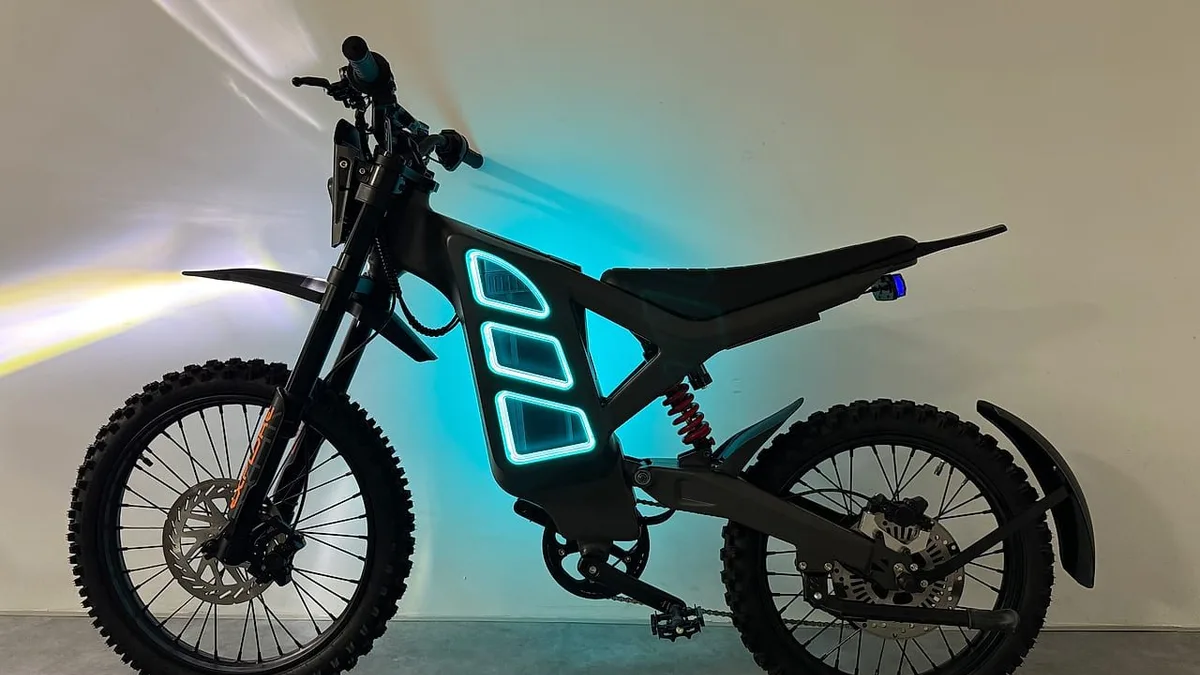
If you are a distributor, importer, e-bike brand, or retail chain sourcing electric bicycles from a factory, understanding CE EN15194 certification is not optional—it is the legal and commercial foundation of your business. This guide explains what EN15194 actually covers, what to verify before placing an order, and how certification affects your MOQ, pricing, and private-label plans.
## Why EN15194 matters for distributors and importers
EN15194 is the harmonised European standard for electrically power assisted cycles (EPACs). It defines safety and performance requirements for e-bikes with pedal assistance up to 25 km/h and motor output up to 250 W. A CE mark alone is not enough—your supplier must be able to show a valid EN15194 test report from a recognised laboratory, typically issued under the Machinery Directive or, more recently, the General Product Safety Regulation framework. For importers selling into the EU, the CE declaration of conformity and technical file are your legal responsibility to hold. Without them, customs can detain shipments, market surveillance authorities can order recalls, and your retail partners can cancel contracts. In CIS, Middle East, South America, and Africa, EN15194 is often used as a de facto quality benchmark even where local certification differs, so it strengthens your tender and retail positioning everywhere.
## Key specs to verify: motor, battery, and certification scope
Start with the motor: confirm continuous rated power (250 W for EU compliance), voltage (36 V or 48 V), and whether the controller is speed-limited to 25 km/h with pedal-assist cut-off. Check that the battery pack has its own UN38.3 transport report and, for EU sales, IEC 62133 or EN 50604 cell safety documentation. The EN15194 report must cover the complete bike as sold—frame, fork, brakes, and electrical system—not just a motor kit. Ask for the test report number, issuing lab, date, and the exact model list covered. Many factories certify one representative model and then ship variants; confirm in writing that your SKU is within the certified scope. Also verify waterproofing (IP rating), brake type, and whether the charger carries CE and EN 60335 compliance.
## Buying and verification checklist before you order
Request the full technical file: EN15194 test report, CE declaration of conformity, battery UN38.3 and IEC 62133 reports, charger CE certificate, and a bill of materials with component brands. Cross-check the frame number and motor serial range against the certificate. Ask for a pre-shipment inspection (PSI) that includes a ride test and electrical safety check. Confirm labeling: CE mark, model, voltage, wattage, and manufacturer details must appear on the bike and packaging. Verify that the factory can provide a duplicate technical file for your own importer obligations. Finally, check references from other distributors in your region and ask whether the factory has handled customs clearance documentation for your destination country.
## MOQ, pricing, and the factory order process
Typical MOQ for EN15194-certified e-bikes ranges from 50 to 200 units per model, depending on frame type and battery spec. Certification cost is often amortised into unit price, so ask for a clear breakdown: frame, motor, battery, certification share, and packaging. For FOB orders, confirm the port and Incoterms; for CIS and Middle East, many buyers prefer CIF or DAP to reduce logistics risk. Shipping regions matter: EU buyers need CE documentation and often EN15194 plus local e-bike regulations; Middle East buyers may require SASO or ESMA compliance; South America often needs INMETRO or local homologation; Africa varies by country. Build a 30-45 day production window plus 25-40 days sea freight into your planning, and insist on a written quality agreement covering battery capacity tolerance and motor power consistency.
## How OEM and private-label orders work
Private-label starts with selecting a certified base platform, then customising frame colour, decals, battery capacity, display, and packaging. The factory should provide a private-label agreement confirming that the EN15194 certificate can be extended to your brand—this usually requires a new declaration of conformity listing you as the manufacturer or importer. Ask for sample lead time (typically 15-25 days), tooling or MOQ thresholds for custom frames, and whether the factory will handle label artwork and user manuals in your language. For OEM, you can specify motor brand, battery cells, and controller firmware, but any change to the electrical system may require re-testing. Always get the certification scope updated before mass production.
EN15194 certification is your license to sell in Europe and your quality signal everywhere else. Treat the test report, declaration of conformity, and battery documentation as non-negotiable order prerequisites, verify the certified scope against your exact SKU, and lock certification responsibilities into your supply agreement before you pay a deposit.