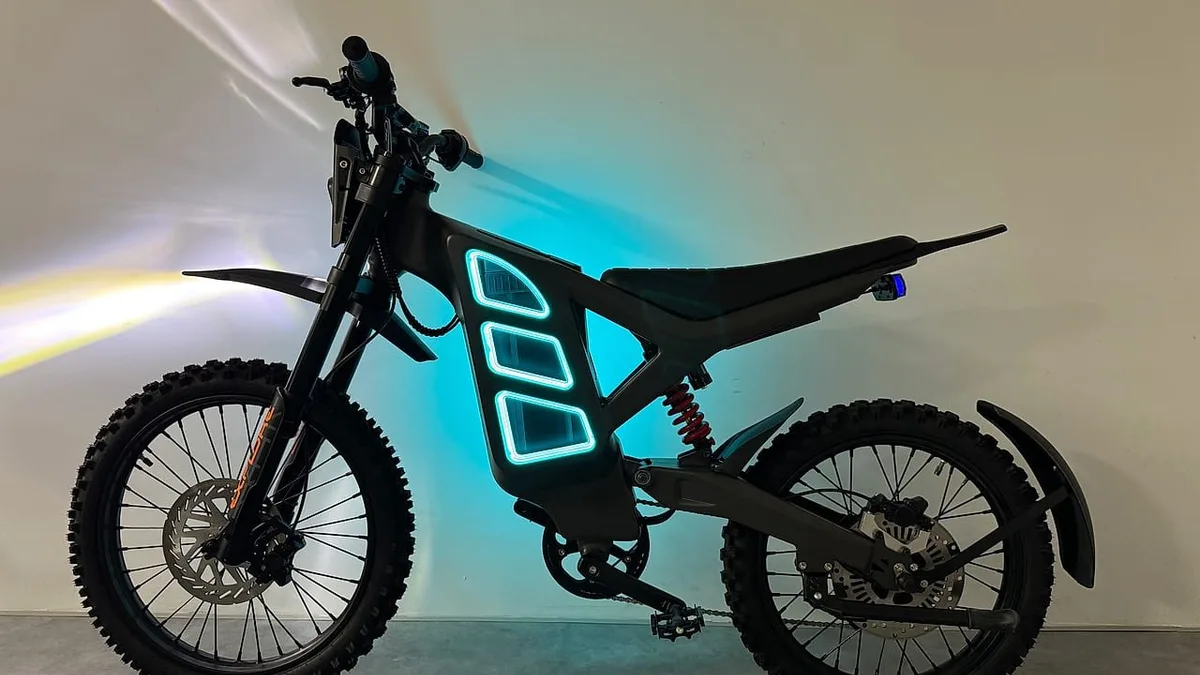
Sourcing electric bikes directly from a factory can give distributors, importers, and retail chains a significant cost advantage and greater control over specifications. However, the wholesale process involves technical, logistical, and legal considerations that differ from buying finished goods from a trading company. This guide walks you through the key steps to evaluate a factory, verify critical components, understand MOQs and pricing, and launch a private-label program successfully.
## Why buying factory-direct matters for distributors and importers
Factory-direct wholesale eliminates middlemen margins and gives you access to the actual production line, engineering team, and quality control processes. For distributors and importers, this means better pricing, faster customization, and the ability to build a long-term supply relationship. It also allows you to request specific motor, battery, and certification configurations that match your target market. In regions like the CIS, Middle East, South America, Africa, and Europe, having a reliable factory partner is essential for navigating local regulations and after-sales expectations.
## Key specifications: motor, battery, and certification
The motor and battery are the heart of any e-bike. For wholesale orders, confirm whether the motor is brushless geared or direct drive, its rated power (250W, 500W, 750W, or 1000W), and whether it supports torque or cadence sensing. Battery capacity (in Wh) and cell type (e.g., Samsung, LG, or Chinese brands) directly affect range and warranty. Certification is non-negotiable: for Europe, look for CE and EN 15194; for the US, UL 2849; and for other regions, check local standards. Always request test reports and certificates before placing a bulk order.
## Buying and verification checklist
Before committing to a wholesale order, verify the factory's business license, production capacity, and export history. Request a sample or pre-production unit to test build quality, welding, and component integration. Check the factory's quality control process: do they perform 100% inspection or batch testing? Ask for references from existing distributors in your region. Also confirm warranty terms, spare parts availability, and after-sales support. A factory that is transparent about its limitations is often more reliable than one that promises everything.
## MOQ, pricing, and the B2B order process
Minimum order quantities (MOQs) for electric bike factory wholesale typically range from 50 to 200 units per model, depending on customization. Pricing is usually FOB (free on board) and varies with order volume, specifications, and payment terms. The standard process includes: inquiry and specification sheet, quotation, sample order, deposit (usually 30%), production, balance payment, and shipping. Freight options include sea, rail (for Europe and CIS), and air for urgent orders. Always clarify Incoterms, lead times, and packaging requirements to avoid surprises.
## How OEM and private-label orders work
OEM (original equipment manufacturer) and private-label programs allow you to sell e-bikes under your own brand. The factory can customize frame color, decals, battery branding, and even geometry for larger volumes. You will need to provide a brand logo, packaging design, and any market-specific labeling. The factory handles production, assembly, and often certification if you specify the target market. Expect a development timeline of 4–8 weeks for new designs, plus production time. A clear technical agreement and quality acceptance criteria are essential to protect your brand.
In summary, successful electric bike factory wholesale requires thorough due diligence, clear specifications, and a collaborative relationship with your manufacturer. Focus on certification, component quality, and after-sales support to build a sustainable business.