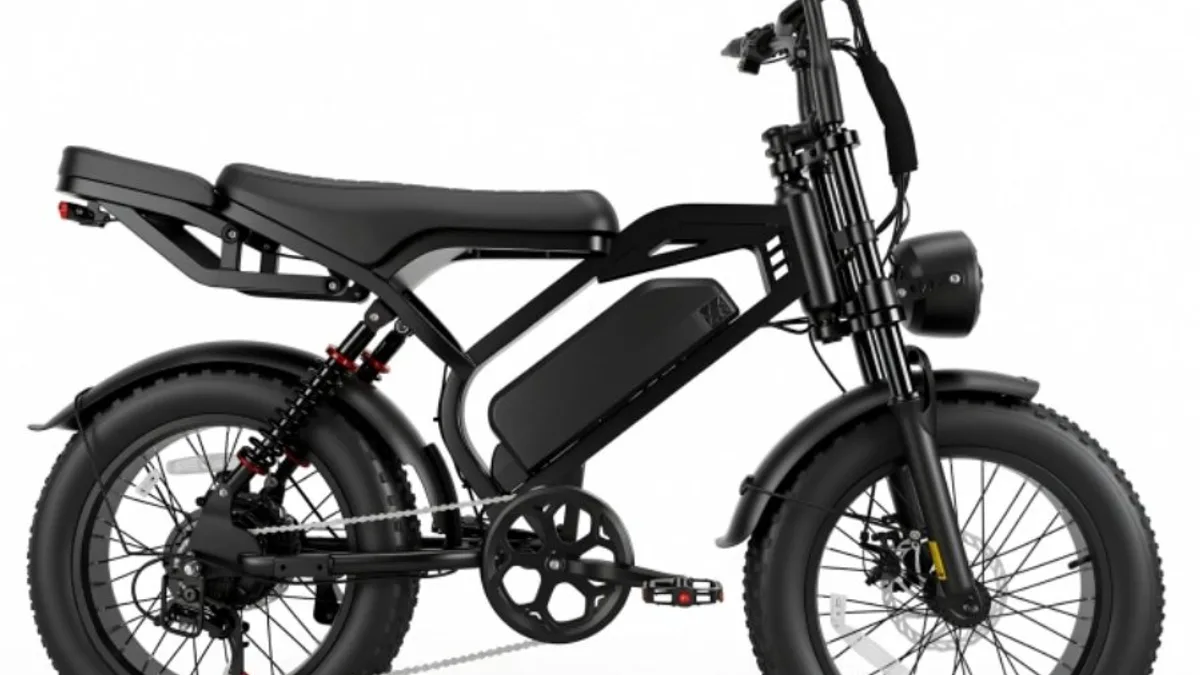
Most distributors who ask me for electric trike wholesale for delivery pricing start with the FOB number and stop there. That is the fastest way to lose money on a container. The FOB price is only the first layer of a stack that includes freight, import duties, quality-control costs, spare-parts kits, and a warranty reserve you cannot skip. If you do not model all five layers before you quote your retail chains, a 30% gross margin on paper can turn into a 6% net margin after the first claim cycle. Below is how the math actually works at distributor level, using real numbers from our own export orders.
## The FOB-to-landed-cost gap is bigger than most buyers expect
Take a typical 40HQ container of 60 delivery trikes at an FOB of USD 620 per unit. Ocean freight from Ningbo to Jebel Ali has been running around USD 1,800–2,400 per 40HQ in normal seasons, so call it USD 2,100, or USD 35 per trike. Marine insurance adds roughly 0.3–0.5% of CIF value, about USD 2 per unit. Then duties: GCC countries commonly apply 5% on e-bikes and trikes, the EU applies 6% anti-dumping duty on top of the standard 6% tariff for Chinese-origin e-bikes (so 12% total in many cases), and Brazil can hit 35%+ depending on NCM classification. On a 12% combined rate, that is another USD 74 per trike. Your landed cost is now USD 731 before you have paid a single QC inspector. That is already an 18% uplift on FOB, and we have not touched spare parts or warranty yet.
## QC, spare parts, and warranty reserves are not optional line items
A serious distributor budgets 1.5–2.5% of FOB for pre-shipment QC — either a third-party inspection at roughly USD 300–500 per container or a factory-side AQL 2.5 check. On our JIUYUE GT600 20in Pro cargo trike, which runs a 60V 20Ah lithium pack and a 1000W rear hub motor, the most common claim is controller failure after 6–9 months of daily delivery use. That is why we ship every wholesale order with a 3% spare-parts kit by value: controllers, throttles, brake pads, chargers, and at least two spare battery packs per 60 units. Budget that kit at 3–4% of FOB, so USD 19–25 per trike. Then set a warranty reserve. Real-world field failure rates on delivery trikes run 4–7% in year one, and a replacement controller plus labor credit costs you USD 45–70. A 5% reserve at USD 55 average claim is USD 2.75 per unit — small, but if you skip it, one bad batch wipes out the margin on 20 good units.
## What margin actually looks like at distributor level
Here is the honest P&L on that 60-unit container. Landed cost with QC, spares, and warranty reserve: roughly USD 731 + 12 (QC) + 22 (spares) + 3 (warranty) = USD 768 per trike. If you sell to retail chains at USD 1,050 — a realistic wholesale price for a 1000W cargo trike in the Middle East — your gross margin is USD 282, or 26.8%. But now subtract your own costs: warehouse handling (USD 15), last-mile delivery to retail (USD 25), sales and admin (USD 40), and financing cost on 90-day terms (USD 18). Net margin drops to USD 184, or 17.5%. That is still healthy — but only if you modeled the layers. Distributors who quote off FOB alone and assume 30% margin often discover they are actually at 8–10% net after the first warranty cycle. The same math applies to lighter models like the EBike Factory Cargo CC1, where a lower FOB of around USD 380 still carries the same fixed freight and duty per unit, so the percentage margin compresses faster on cheap trikes than on cargo models.
## The buyer questions that actually decide the deal
"What MOQ should I expect from a real factory?" For delivery trikes, a genuine factory MOQ is usually one 40HQ — 55–65 units depending on model and whether you order spare batteries. Below that, you are paying LCL freight and per-unit costs rise 15–20%, which kills the margin math before you start. "Do I really need UL certification to sell in the US?" For e-bikes with throttles, yes — UL 2849 is now required by most major retailers and by many state laws. For the EU, EN 15194 is the baseline, and for delivery fleets you should also ask for EN 17860 (cargo bike standard). Certification adds USD 8–15 per unit at scale but unlocks retail chains that will not touch uncertified stock. "How do I compare freight for CIS versus South America?" CIS rail freight from China to Kazakhstan runs about USD 4,000–5,500 per 40HQ and takes 18–25 days; Brazil ocean freight is similar but duties and customs clearance can add 30–45 days. Build those days into your working-capital cost — a 60-day delay on a USD 46,000 container at 8% annual financing is roughly USD 600, or USD 10 per trike.
## Closing takeaway
Before you ask any factory for electric trike wholesale for delivery quotes, build a landed-cost sheet with five columns: FOB, freight and insurance, duty, QC plus spares, and warranty reserve. Then add your own warehouse, delivery, sales, and financing costs. If the net margin after all nine lines is still above 15%, the deal works. If it is below 10%, either negotiate the spare-parts kit into the FOB price or walk away — because the first warranty cycle will eat the difference.