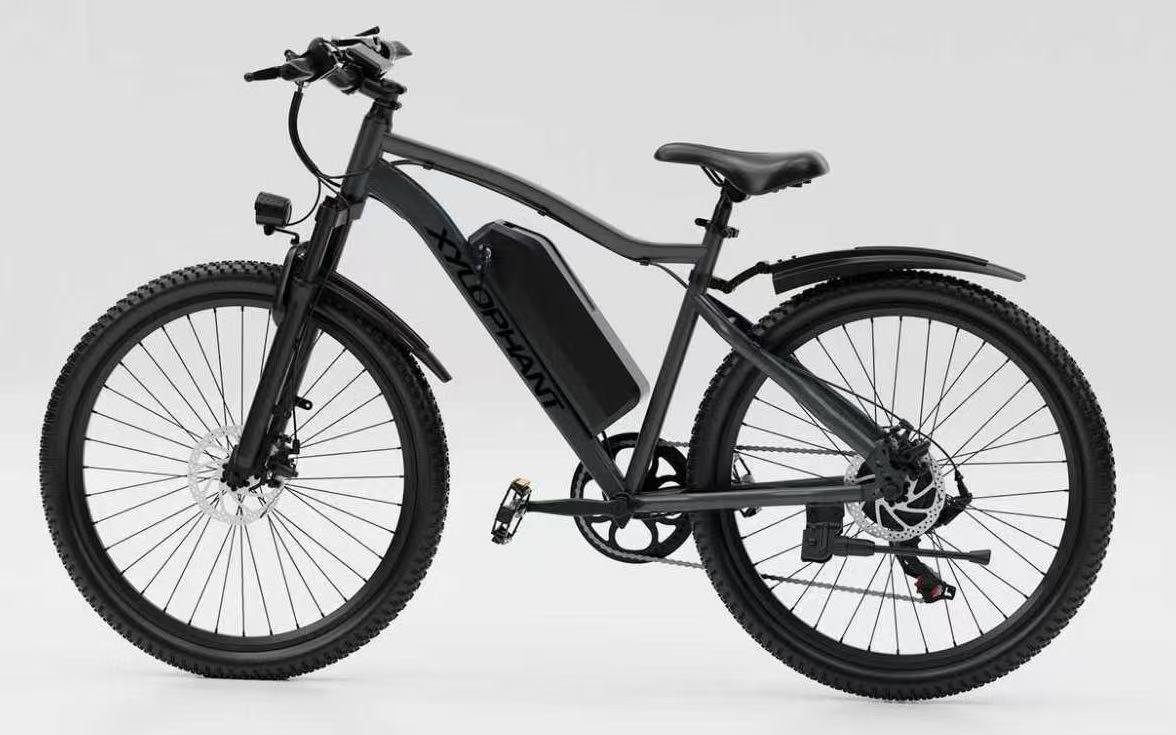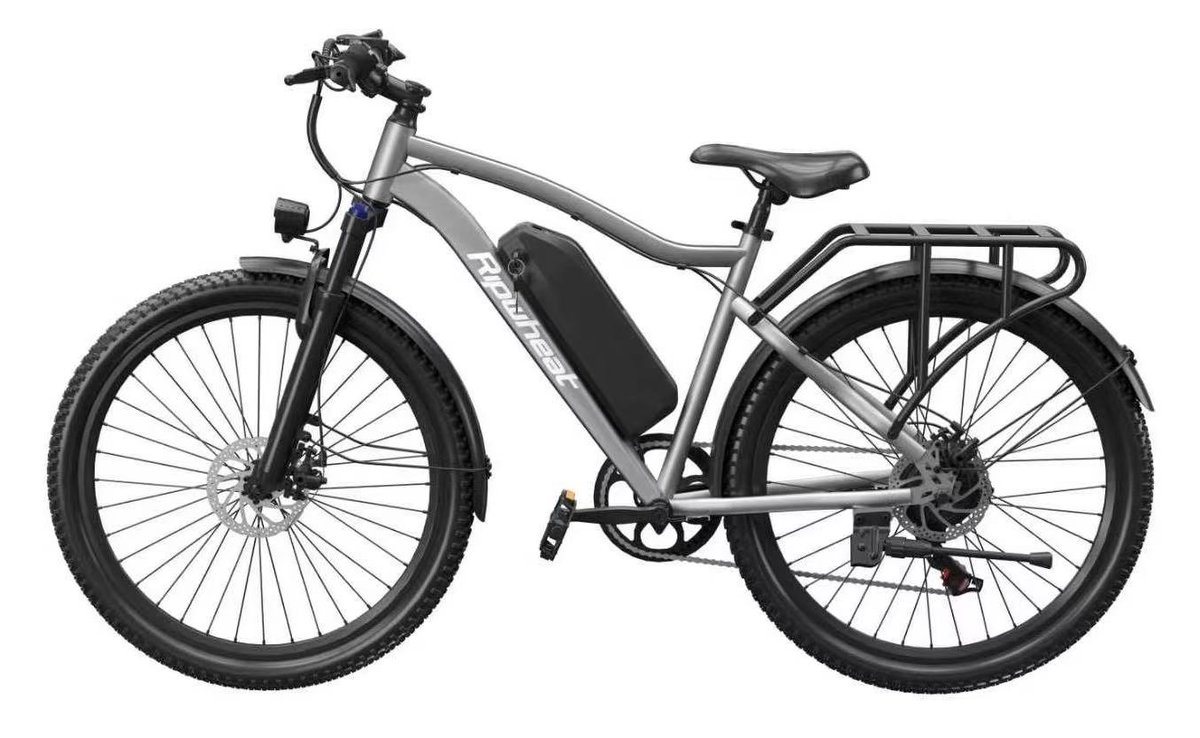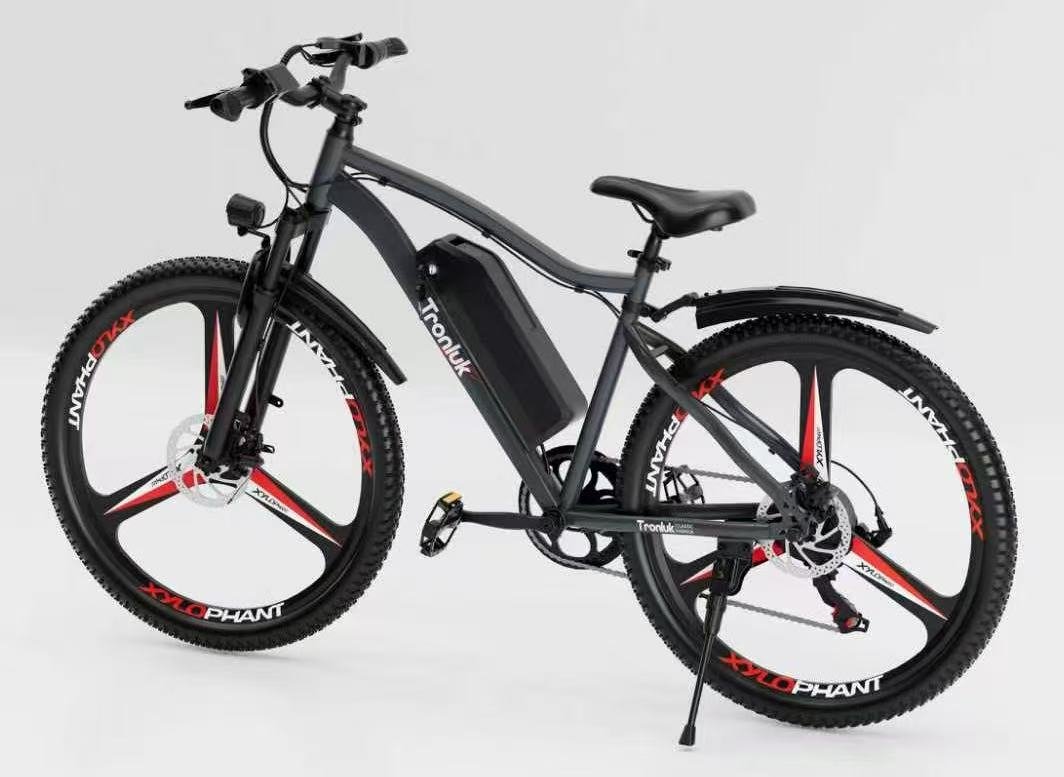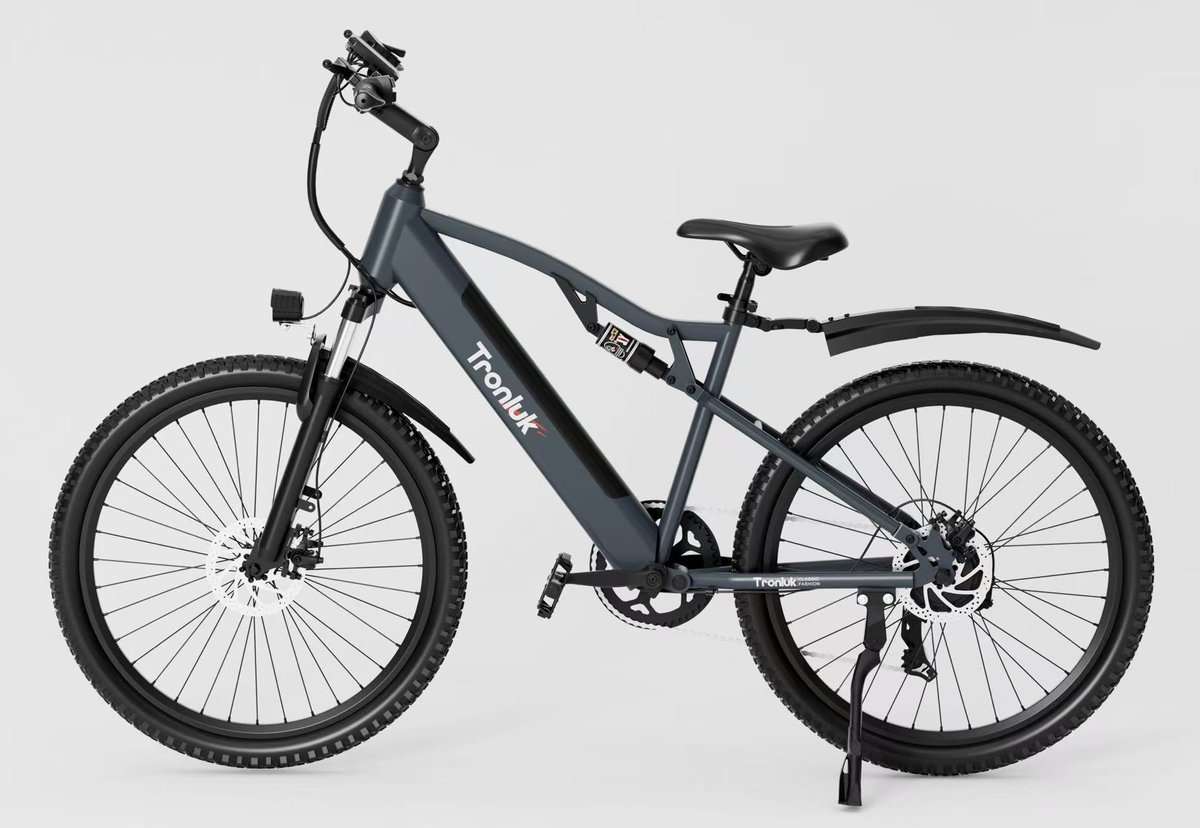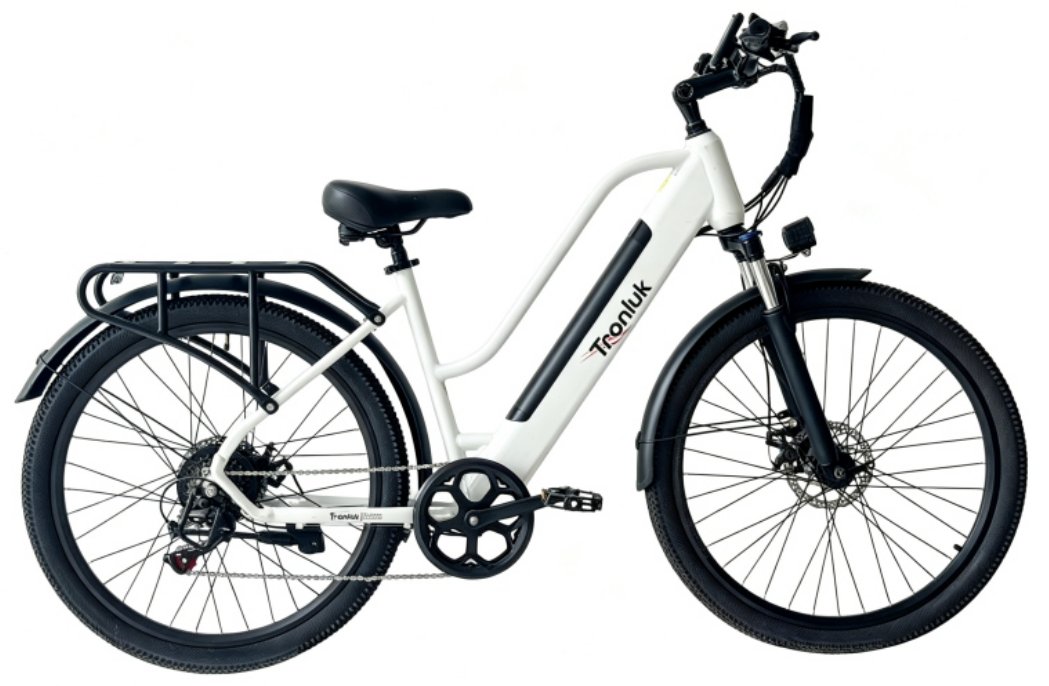
When a distributor asks me for the JIUYUE HX200-A 26in wholesale price, the first thing I do is ask what their landed cost target is — because the FOB number on the quote sheet is only about 60% of what actually leaves their bank account. The HX200-A is a 26-inch commuter-style e-bike with a 250W rear hub motor and a 36V 10.4Ah removable lithium pack, and it sits in the volume segment where a $12–$18 swing in landed cost per unit decides whether a container program is worth running. So let's walk through the layers the way I explain them to importers in the CIS, Middle East, and South America: FOB, freight, duties, QC, spares, and warranty reserve.
Start with FOB and what actually moves it. Our factory quote for the HX200-A at 500 units is built on the frame, the 250W motor, the 36V 10.4Ah battery, and a basic LED display — but the moment a buyer upgrades to a 48V 13Ah pack or adds a rear rack and fenders, FOB climbs $22–$35 per unit, and that changes the whole margin equation. This is why I always tell buyers comparing quotes from three factories to compare the same BOM, not the same model name. A competitor quoting $8 less is usually shipping a 7.8Ah battery or a 2A charger instead of 3A. If you want a reference point on how spec tiers shift price, look at how the JIUYUE GT600 20in Pro is positioned — same factory discipline, different component tier, and the landed cost gap is almost entirely battery and motor spec, not frame.
Freight is the layer buyers underestimate most. A 26-inch e-bike ships at roughly 0.18–0.22 CBM per unit boxed, so a 40HQ holds about 280–320 units depending on packaging. From Ningbo to Jebel Ali, current rates run $1,800–$2,600 per 40HQ, which is $6–$9 per unit; to Novorossiysk it's higher, and to Santos or Durban you should budget $3,200–$4,500 per container, or $11–$16 per bike. Add inland haulage and port fees and you're at $18–$25 per unit before the bike even clears customs. That's why the JIUYUE HX200-A 26in wholesale price conversation has to start with the destination port, not the factory gate.
Duties and certification are where the real surprises live. Into the EU, e-bikes with a 250W motor and pedal-assist fall under HS 8711.60 at 6% anti-dumping plus 14% standard duty for non-origin units — buyers need EN15194 and, increasingly, battery UN38.3 and IEC 62133 paperwork. Into the GCC, 5% duty is common but SASO or ESMA registration adds $400–$900 per model. Into Mercosur, Brazil's II+IPI+ICMS stack can push effective duty past 35%, which is why many South American buyers prefer CKD kits. A question I get constantly on LinkedIn: "Do I really need UL 2849 to sell in the US?" Short answer — yes for retail chains like REI and Best Buy, and increasingly for Amazon; it adds roughly $6–$10 per unit amortized over a container, but it unlocks channels that pay $150+ more per bike.
QC, spares, and warranty reserve are the quiet margin killers. A proper pre-shipment inspection at the factory runs $300–$500 per container, and I recommend AQL 2.5 on major defects — skip it and you'll eat 3–5% DOA rate on hub motors and controllers. Spares: budget 2% of unit value for controllers, displays, chargers, and throttle assemblies, plus 1% for spare 36V 10.4Ah batteries, because a dead battery in month eight is a $90 replacement you can't recover. Warranty reserve should sit at 2.5–3.5% of landed cost for a 12-month frame/motor warranty. Add it all up and a $210 FOB HX200-A lands at roughly $275–$310 depending on region — which tells you the distributor resale at $499–$599 retail leaves a workable 22–28% gross margin, but only if spares and warranty are priced in from day one.
So what's the practical takeaway? Build your margin model from landed cost, not FOB, and insist on a BOM-level quote from every factory you compare. The JIUYUE HX200-A 26in wholesale price is competitive at volume, but the distributors who actually make money on it are the ones who control freight consolidation, pre-book spares with the first container, and treat certification as a channel investment rather than a cost. Get those three right and the 26-inch commuter segment still pays.