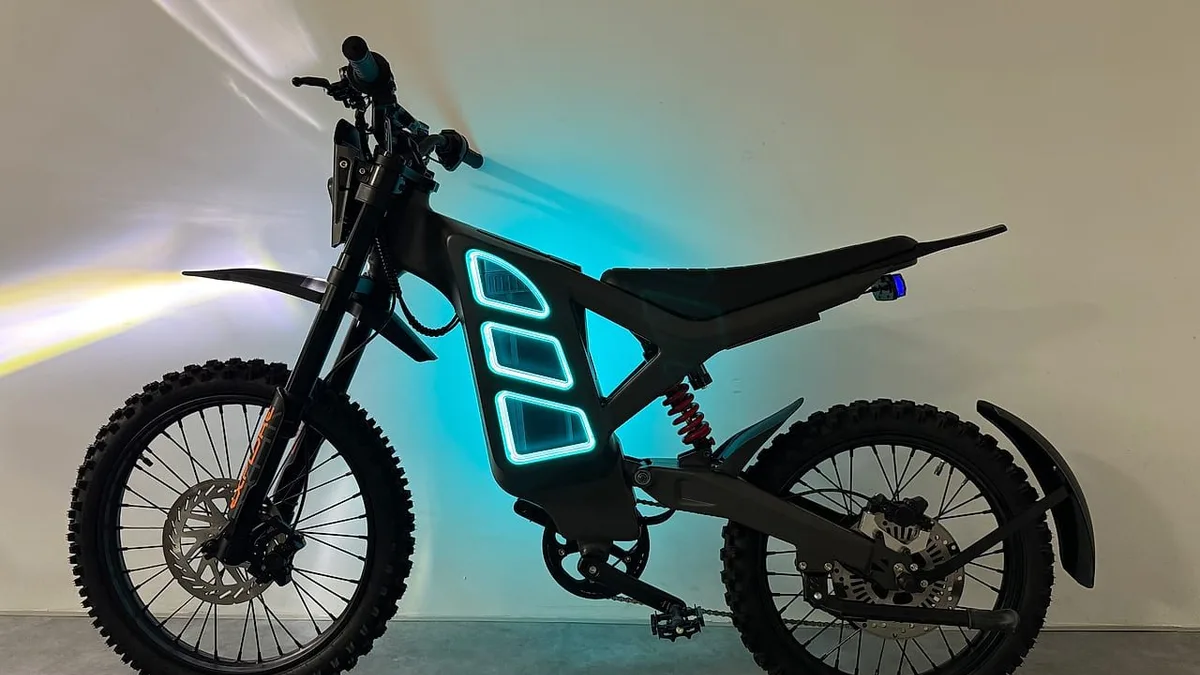
Sourcing kids electric bikes from a factory supplier is not the same as buying adult e-bikes. Smaller frames, lower power limits, and stricter safety expectations mean distributors and importers must verify different specifications, certifications, and production capabilities. This guide walks through what actually matters when you evaluate a kids electric bike factory supplier, from motor and battery choices to MOQ, shipping regions, and private-label programs.
## Why kids e-bikes deserve a dedicated sourcing strategy
Kids electric bikes sit at the intersection of toys, sporting goods, and light electric vehicles. That means your supplier must understand both consumer safety norms and the realities of wholesale distribution. A factory that only assembles adult commuter e-bikes may not have the tooling, testing, or component supply chain for 16-inch to 24-inch kids models.
For distributors and retail chains, the category offers strong seasonal sell-through and repeat purchase potential as children grow. For e-bike brands, a kids line extends brand loyalty earlier in the customer lifecycle. But margins disappear quickly if you choose a supplier that cannot deliver consistent quality across batches or handle certification for your target market.
A specialized kids electric bike factory supplier should offer frame geometry designed for younger riders, speed and power limits appropriate for age groups, and documentation that satisfies import authorities in the CIS, Middle East, South America, Africa, and Europe.
## Key specifications that determine quality and compliance
Motor power is the first specification buyers ask about, but for kids bikes the answer is rarely about maximum output. Most markets expect 250W to 500W nominal motors for kids models, with speed limiters set well below adult e-bike thresholds. Confirm whether the motor is geared or direct-drive, and whether the controller allows adjustable speed caps for different age segments.
Battery capacity should be matched to realistic ride times, not inflated marketing numbers. For kids bikes, 36V systems with 5Ah to 10Ah packs are common. Ask for cell brand, BMS configuration, and whether the pack is removable for charging. Lithium-ion packs dominate, but verify UN38.3 transport documentation and MSDS availability.
Frame and component quality matter as much as electronics. Look for steel or aluminum frames with appropriate standover height, reliable mechanical disc or V-brakes, and tires suited to the target terrain. Certification is non-negotiable: CE and EN71 for Europe, CPSIA and UL 2849 where applicable for the US, and local equivalent standards for CIS and Middle East markets. Request test reports, not just certificates.
## Factory verification checklist before you place an order
Start with factory audits. Request business license, export license, and recent third-party inspection reports. A legitimate kids electric bike factory supplier should welcome a video tour or on-site visit covering frame welding, painting, assembly lines, and battery pack assembly.
Ask for production capacity figures and current order backlog. If the factory claims 50,000 units per month but cannot show you the line layout or staffing to support it, treat the claim with caution. Check whether battery packs are assembled in-house or outsourced, and how incoming component quality is controlled.
Request sample units from current production, not hand-built prototypes. Test them for brake performance, speed limiter accuracy, battery runtime, and charger compatibility. Review packaging and manual quality, because retail chains care about unboxing experience and end-user instructions in local languages.
Finally, verify after-sales support. Ask about spare parts availability, warranty terms, and response time for defect claims. A supplier that cannot support spare batteries, controllers, and chargers will create problems for your distribution network.
## MOQ, pricing, and the B2B order process
MOQ for kids electric bikes typically ranges from 100 to 500 units per model or color, depending on frame customization and battery specification. Standard models with existing tooling often allow lower MOQs, while private-label frames or custom battery packs push MOQs higher.
Pricing should be quoted FOB, CIF, or DDP depending on your preference and destination. For CIS, Middle East, South America, and Africa, freight consolidation and port selection significantly affect landed cost. Ask the factory which shipping regions they regularly serve and whether they have experience with your destination's import documentation.
Payment terms usually follow a deposit-plus-balance structure, often 30/70. Confirm inspection rights before balance payment and clarify who bears responsibility for certification documents. Lead times for standard orders typically run 30 to 45 days after deposit, with longer timelines for custom colors, branding, or battery configurations.
## How OEM and private-label programs work
Private-label kids electric bikes can range from simple branding to full custom development. At the entry level, you select an existing frame and motor platform, then apply your logo, color scheme, and packaging. This is the fastest route to market and usually requires the lowest MOQ.
Mid-level OEM involves custom frame geometry, battery placement, controller programming, and component selection. Expect tooling costs, longer development timelines, and higher MOQs. Full custom development is suitable for established brands with clear volume commitments and a defined product roadmap.
Ask the factory about their design review process, prototype turnaround, and how they handle intellectual property. Confirm that your brand assets, packaging artwork, and any custom components remain your property. A good supplier will provide a clear OEM agreement covering tooling ownership, confidentiality, and warranty responsibilities.
Choosing the right kids electric bike factory supplier comes down to verifying production capability, certification coverage, and after-sales support rather than chasing the lowest quote. Distributors and importers who invest time in factory audits, sample testing, and clear OEM agreements build a kids e-bike line that sells consistently across seasons and regions.