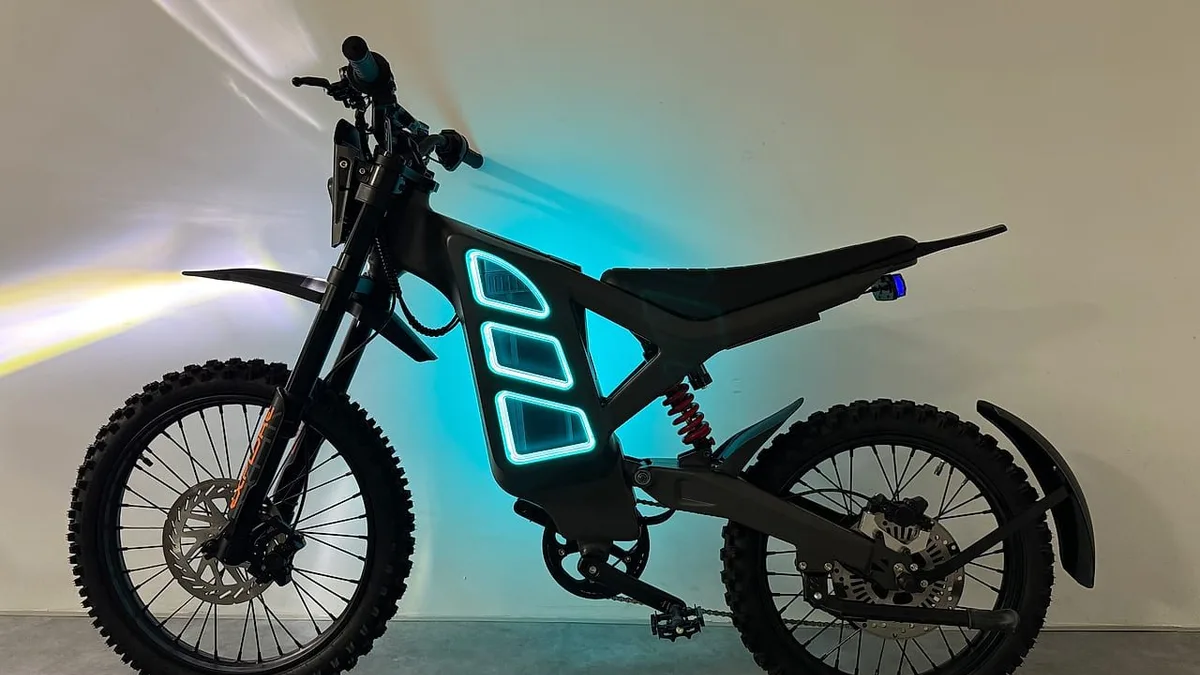
When buyers search for all terrain electric bikes for sale, they usually fall into two camps: distributors who want a ready line and brands that want their own name on the frame. Either way, the real work starts after you pick a model. This playbook walks through what it actually takes to launch or expand a private-label e-bike line from a factory floor in China — branding, spec changes, packaging, certifications, and lead times — so you can quote your own customers with confidence instead of guessing.
## Start with the frame and motor platform, not the logo
The first decision in any private-label program is which platform you are building on. Most factories offer a handful of proven frames — hardtail MTB, step-through city, fat-tire — and you customize around them. For all-terrain use, the sweet spot is a 26" or 27.5" fat-tire hardtail with a 750W-1000W rear hub or a 500W-750W mid-drive, paired with a 48V 15-20Ah battery. If you want a turnkey base to private-label, the JIUYUE GT600-20 Pro is a common starting point: 20" fat tires, a 1000W motor, and a 48V 20Ah battery that suits both CIS winter roads and Middle East desert tracks. Changing the motor brand, controller, or display is usually a 30-45 day engineering cycle; changing the frame geometry is 90+ days and a new mold cost. Ask your factory which parts are "platform-locked" before you promise your buyer a custom colorway.
## What MOQ should you expect, and how do spec changes affect it?
A question that comes up in almost every LinkedIn procurement thread: "What MOQ should I expect from a real factory?" For private label with your logo on the frame and battery, plan on 50-100 units per model per color as a realistic floor; 20-30 units is possible on stock frames with decal-only branding. Spec changes move that number. Swapping to a different cell brand (Samsung vs. generic) or adding a torque sensor typically adds 20-30% to MOQ because the factory has to buy components in bulk. If you are testing a market, start with a stock model and a decal kit, then move to a full private-label run once you have sell-through data. That approach keeps your first container — usually 60-80 e-bikes in a 40HQ — from tying up cash in a spec you cannot move.
## Certifications and import rules: what you actually need before the container ships
This is where most first-time importers get burned. For the EU, you need EN 15194 for the bike and UN 38.3 for the battery, plus CE marking and a compliant charger. For the US, UL 2849 for the electrical system is increasingly demanded by retailers and insurers, even where it is not strictly law. Ask your factory directly: "Do you have UL 2849 and EN 15194 reports for this model, or only for the base platform?" A common trap is a factory that has certification on a 250W EU version but not on the 1000W export version you are ordering. Also confirm duties: e-bikes from China into the EU face anti-dumping duties that can exceed 60% on top of the standard rate, while many CIS and Middle East markets are far lower. Build these into your landed-cost sheet before you set a retail price.
## Packaging, branding, and the details that make a private label feel real
A private-label line lives or dies on the unboxing. Beyond the frame decals, budget for: a custom user manual in the destination language, a branded charger and battery label, a display boot logo, and retail-ready carton printing. These are low-cost changes — often $3-8 per unit — but they add 10-15 days to production because artwork has to be approved and printed. If you are selling through retail chains, ask for a carton drop test report and confirm the bike ships 85% assembled with the front wheel and handlebar off. For spare parts, negotiate a 2-3% spares kit (controllers, chargers, brake pads, spare battery options) in the same container; it is far cheaper than air-freighting a controller later. A second model worth considering for urban and light-trail private label is the JIUYUE X5 Pro, which uses a step-through frame and a 48V 13Ah battery — easier to brand for city retail chains than a full fat-tire MTB.
## Lead times and the realistic launch calendar
From signed PO to container on the water, a private-label run typically takes 45-60 days for stock frames with decal branding, and 75-90 days if you change the motor, battery, or display. Add 30-40 days ocean freight to Europe or the Middle East, and another 2-3 weeks for customs clearance and inland delivery. That means a launch you want in stores by spring needs a PO signed by late October. Factories are busiest from August to November, so book production slots early and lock your artwork by week two. Ask for a production schedule with milestone dates — frame painting, assembly, QC, carton printing — and hold the factory to it with a deposit tied to the QC pass.
Launching a private-label all-terrain line is less about finding a factory and more about sequencing decisions: platform first, then MOQ and spec, then certification, then packaging, then calendar. Get those five in order and you can quote distributors and retail chains with real numbers instead of guesses. Start with one proven platform, one colorway, and a spares kit — then scale once the first container sells through.