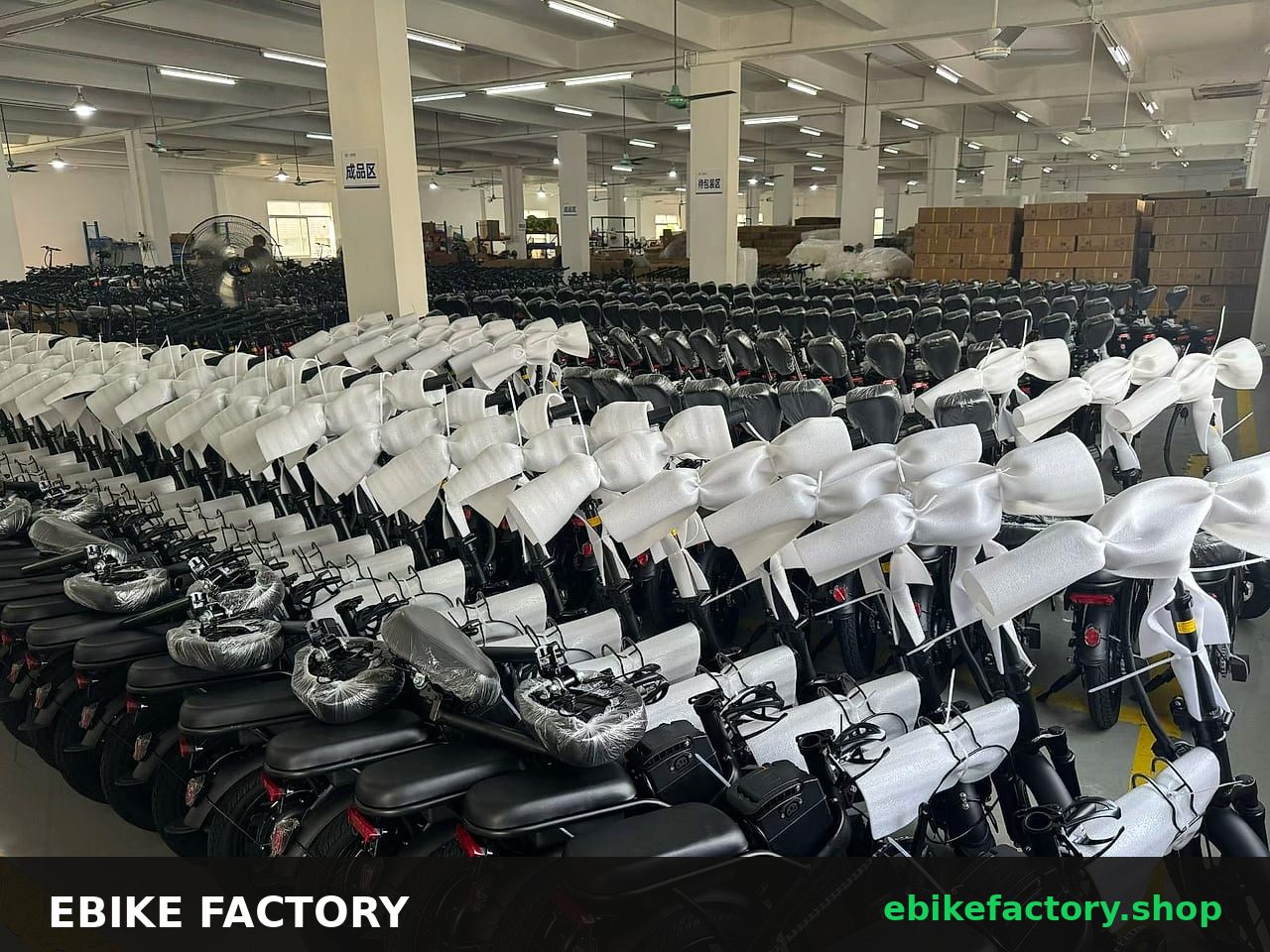
When distributors ask me for a quote on 500 units, the first thing I send back is not a price list — it is a compliance checklist for their market. The reason is simple: a container of e-bikes that fails CE or UL is not a cheap order, it is a total loss. As bicycle wholesale suppliers, we have learned that the difference between a profitable bulk deal and a customs nightmare comes down to knowing the certification, duty, and labeling rules of the destination region before the first motor is laced into a wheel.
## EU and UK: CE, EN15194, and the 250 W Line
For the EU, every e-bike must meet EN15194, which caps continuous motor output at 250 W and cuts assistance at 25 km/h. That sounds straightforward until a buyer asks for a 750 W version “for private land” — we refuse to ship it with a CE mark, because customs and market surveillance do not care about the buyer's intended use. The CE declaration, test report, and battery UN38.3 documents travel with the shipment. The UK still accepts EN15194 under its own UKCA framework for now, but labeling must show the UKCA mark and a UK responsible person. A typical 40HQ container holds about 280–320 assembled e-bikes depending on frame size and packaging; if your certification file is incomplete, that entire container can sit at Rotterdam or Felixstowe for weeks. For European distributors we usually recommend models like the JIUYUE GT600-20 Pro, which ships with a 250 W mid-drive and full EN15194 documentation, so the paperwork matches the hardware on arrival.
## US: UL 2849, CPSC, and the Question Everyone Asks
“Do I really need UL certification to sell in the US?” — yes, if you want to sell through Amazon, Walmart, or any serious retail chain, and increasingly yes for liability insurance even in direct-to-consumer channels. UL 2849 covers the electrical system, and UL 2271 covers the battery pack. CPSC rules add requirements for brakes, reflectors, and speed limiting. We see buyers try to skip UL to save $8–12 per unit on testing amortization, then lose the listing. Duties matter too: e-bikes from China currently face Section 301 tariffs plus the standard HS 8711.60 rate, which together can push landed cost well above the FOB price. A model like the JIUYUE X5-26 Fat Tire is a common US pick because the 750 W motor and 48 V 15 Ah battery can be supplied with UL 2849 and UL 2271 reports, and the fat-tire frame suits the cargo and trail segments US buyers ask for.
## Middle East, Africa, and South America: Lower Barriers, Different Risks
GCC countries generally do not enforce EN15194, but they do enforce SASO and G-mark requirements for electrical safety, and Saudi customs will reject shipments without a certificate of conformity. In much of Africa and South America, the barrier is not certification but grid voltage, spare-part availability, and after-sales support. A 48 V system is fine, but chargers must be supplied for 220–240 V with the right plug type, and controllers should be common across models so distributors can stock one spare. This is where product-platform thinking pays off: if a wholesale supplier can offer the same controller and display across three frame styles, the distributor's spare-parts inventory drops by half. Lead times for these regions typically run 35–45 days production plus 25–40 days sea freight, so order planning needs to start a full quarter before the selling season.
## MOQ, Factory Reality, and What Buyers Get Wrong
“What MOQ should I expect from a real factory?” — for a standard model with existing tooling, 50–100 units per color is realistic; for a custom frame or new battery pack, expect 300–500 units and a 60–90 day development cycle. The mistake buyers make is treating MOQ as a price lever only. In practice, MOQ determines whether the factory can hold your certification file, your private-label packaging, and your spare-parts allocation. A wholesale supplier who quotes 20 units on a custom model is usually trading a stock bike and adding a sticker. Ask for the test report number, the battery cell brand, and the controller protocol before you compare prices — those three answers tell you more than a spec sheet.
## Closing: Build the Compliance File First
The practical takeaway is to treat compliance as the first line of your purchase order, not the last. Before you negotiate price on a bulk e-bike order, get the destination region's certification list, duty rate, and labeling requirements in writing from your supplier, and confirm the exact model and battery pack those documents cover. A supplier who can answer those questions in one email is worth a few dollars more per unit than one who cannot.