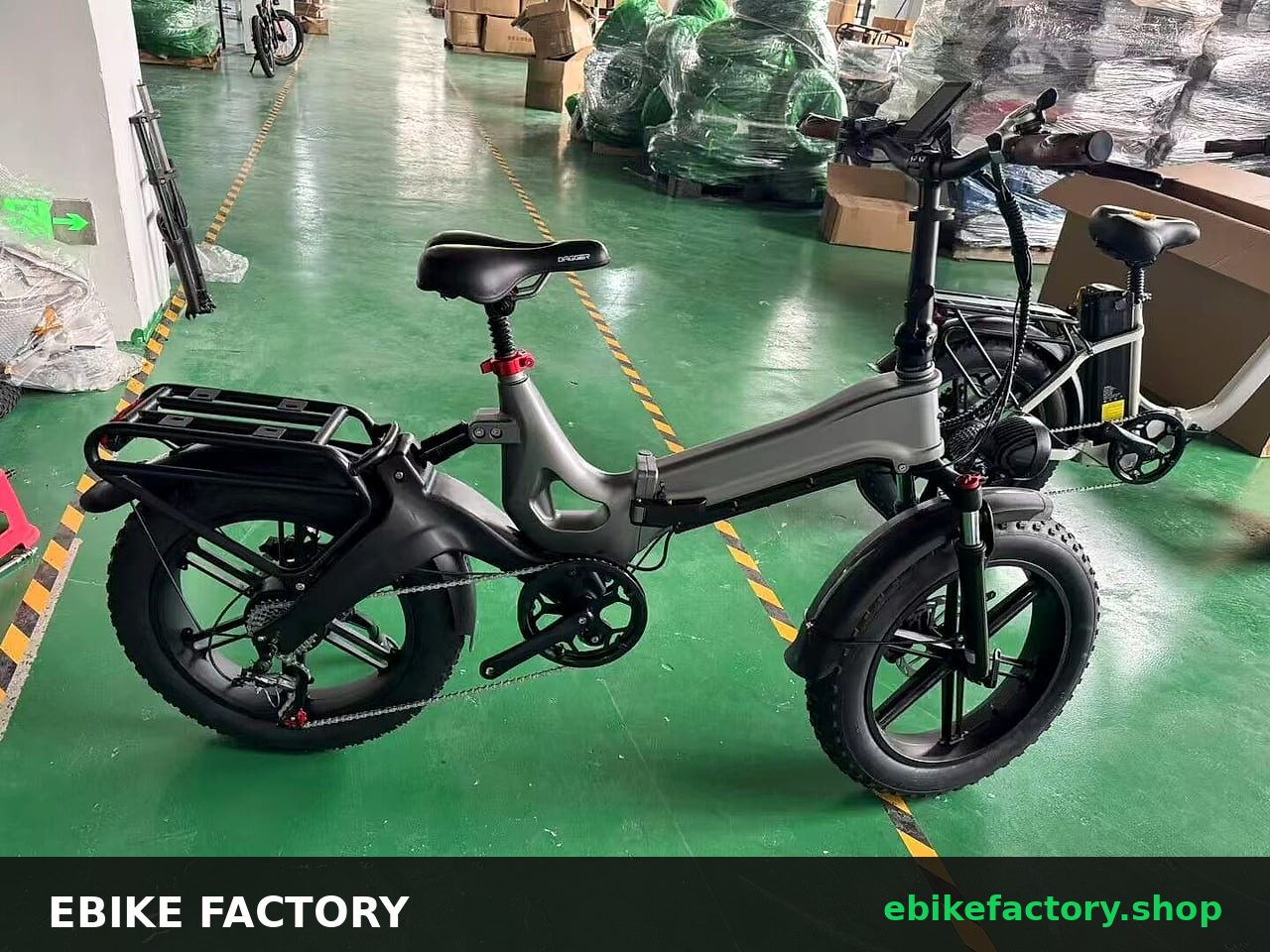
Distributors, importers, and retail chains in the CIS, Middle East, South America, Africa, and Europe are adding off road electric bikes to their catalogs because demand for adventure-ready e-bikes keeps climbing. But sourcing a reliable off road electric bike from a factory is not the same as buying a city commuter. You need to verify motor torque, battery chemistry, frame strength, and certification before you place a container order.
## Why off road electric bikes matter for distributors and importers
Off road electric bikes command higher margins than standard commuters because they combine suspension, fat tires, and high-torque motors that justify a premium retail price. In markets like the UAE, Saudi Arabia, Russia, Brazil, and South Africa, buyers use them for desert tracks, mountain trails, and unpaved rural roads. A distributor who can supply a certified, durable off road model builds loyalty with local bike shops and outdoor retailers. Importers also benefit from lower seasonality: off road e-bikes sell through spring and summer, but also move during hunting season, farm use, and holiday gifting. The key is to source a platform that meets local voltage, safety, and labeling rules without overpaying for features your market does not need.
## Key specs that matter: motor, battery, and frame
Motor power is the first spec buyers ask about, but peak torque and thermal management matter more than a headline wattage number. For off road use, look for a mid-drive or geared hub motor with at least 80 Nm of torque and a controller that can handle sustained climbs. Battery capacity should be matched to real range: a 48V 15Ah pack is a common baseline, while 48V 20Ah or 52V packs suit long-distance trail riders. Confirm the cell brand (Samsung, LG, Panasonic, or reputable Chinese A-grade cells) and ask for a UN38.3 transport report. Frame material and welding quality decide durability: 6061 aluminum with reinforced gussets is standard, but check the rear triangle and dropout thickness for cargo or heavy riders. Also verify IP rating on the motor and display, and ask for a salt-spray test report if you sell to coastal or desert markets.
## Certification and compliance checklist before ordering
Certification is where many first-time importers get stuck. For Europe, an off road electric bike must comply with EN 15194 and carry CE marking; for the UK, check UKCA. In the CIS, EAC certification under TR CU 010/2011 and TR CU 020/2011 is typically required. Middle East buyers often ask for SASO or ESMA compliance, while South American importers may need INMETRO or local homologation. Africa varies by country: South Africa accepts CE plus NRCS registration, while Nigeria and Kenya have their own standards. Ask your factory for test reports for the battery, charger, frame fatigue, and brake system. A serious manufacturer will provide a compliance matrix showing which certificates apply to your destination. Do not accept “CE certificate” as a single PDF without a test report and model list.
## MOQ, pricing, and the B2B order process
There is no absolute standard; different countries and suppliers have their own variations.Most off road electric bike factories set MOQ at 50 to 100 units per model or per color(Our products MOQ at 20), but mixed-container orders are common for distributors. Pricing depends on motor type, battery capacity, suspension grade, and whether you choose stock components or custom decals. Expect FOB pricing to range from USD 450 to USD 900 per unit for mid-tier off road models, with premium full-suspension builds going higher. The order process usually runs: inquiry and spec sheet, sample order (1–3 units), sample approval, deposit (30–50%), production (30–45 days), balance payment, and freight booking. For CIS and Middle East routes, rail and sea combined transport is common; for South America and Africa, sea freight via major ports is standard. Always confirm Incoterms (FOB, CIF, or DDP) and ask for a packing list with container loading plan to avoid wasted space.
## How OEM and private-label orders work
Private-label off road electric bike programs let you build a brand without owning a factory. Start by choosing a base platform from the factory’s existing molds, then customize frame color, decals, display branding, and battery case labels. For deeper differentiation, you can request a custom frame geometry or a specific motor-battery combination, but expect higher MOQ (200+ units) and longer lead times. Ask for a brand authorization letter if you plan to use a known motor brand like Bafang or Shimano. The factory should provide artwork templates, a pre-production sample, and a QC checklist. Confirm warranty terms: 12–24 months on frame, 12 months on motor and battery, and clear spare-parts pricing. A good OEM partner will also help with manual translation, packaging design, and barcode labeling for your retail chain.