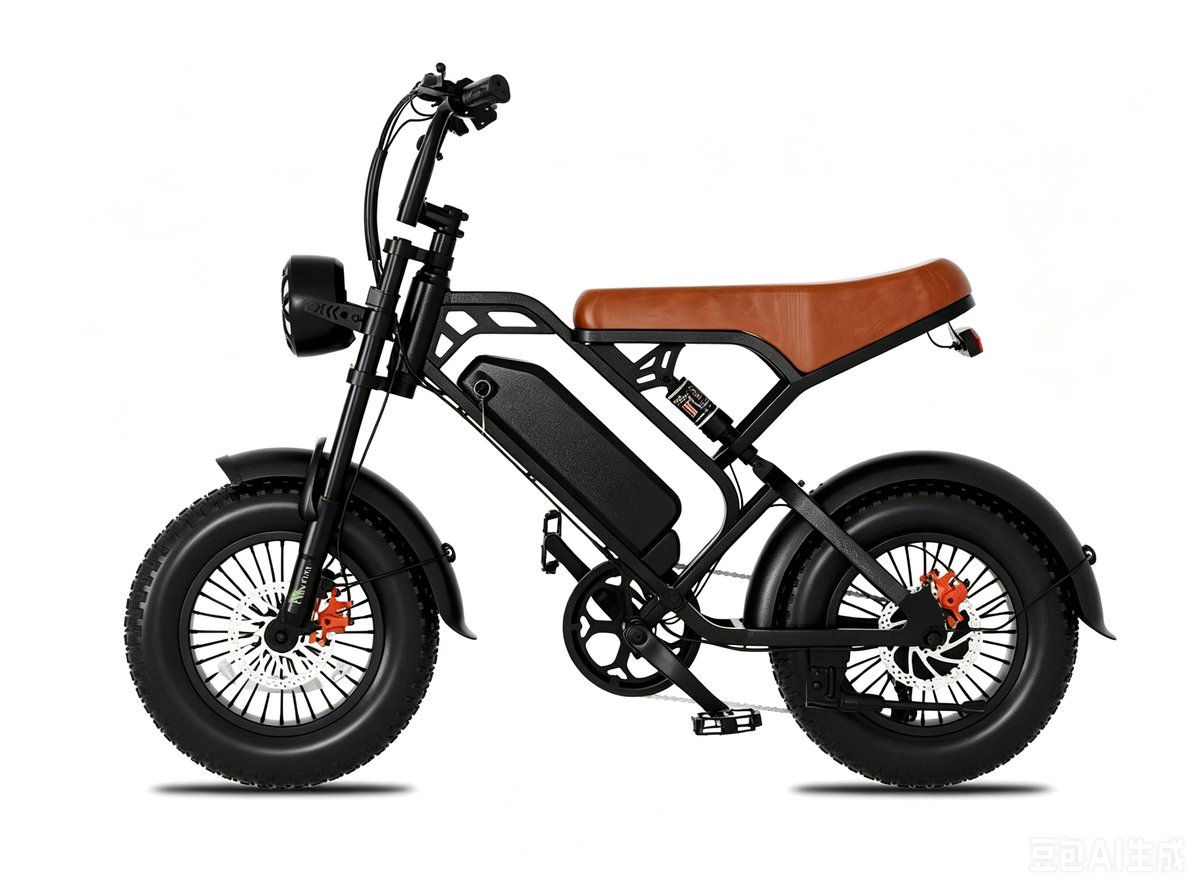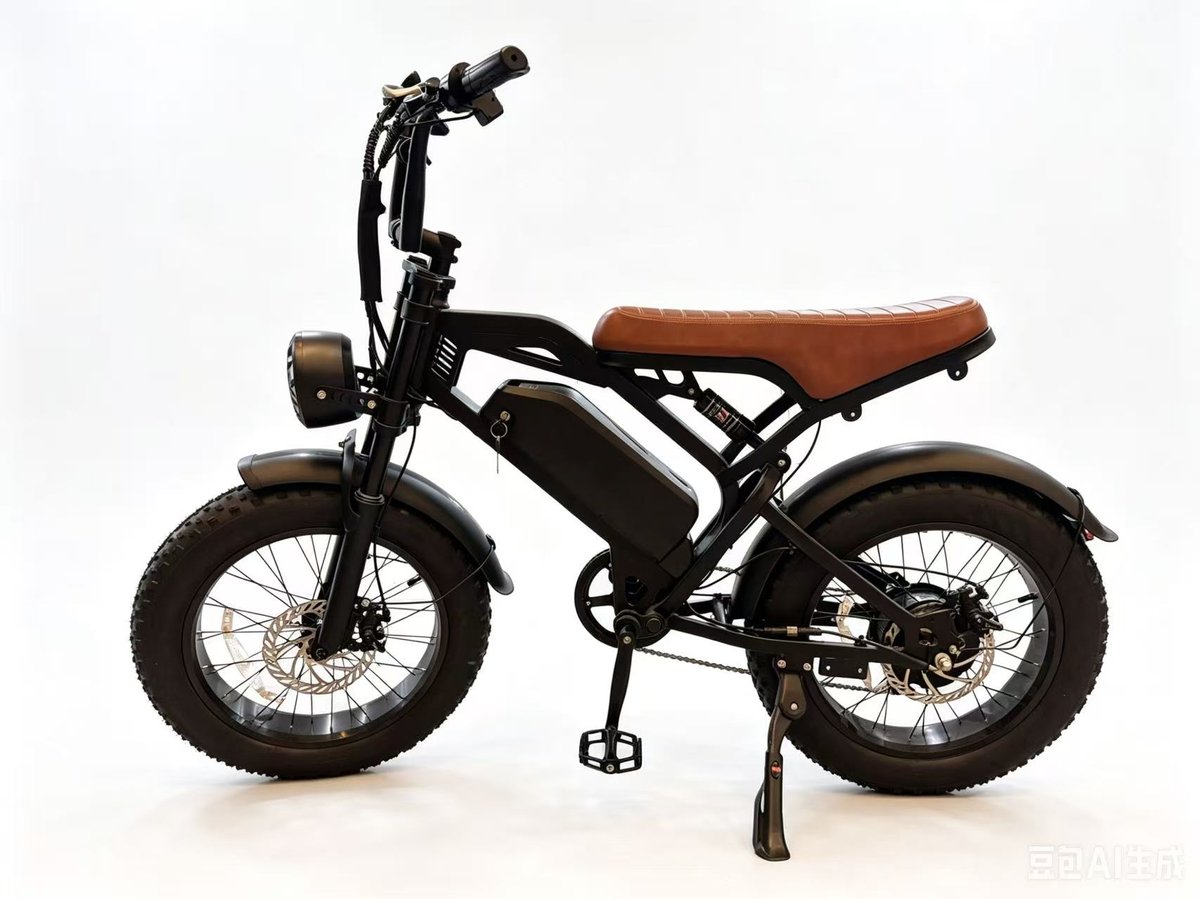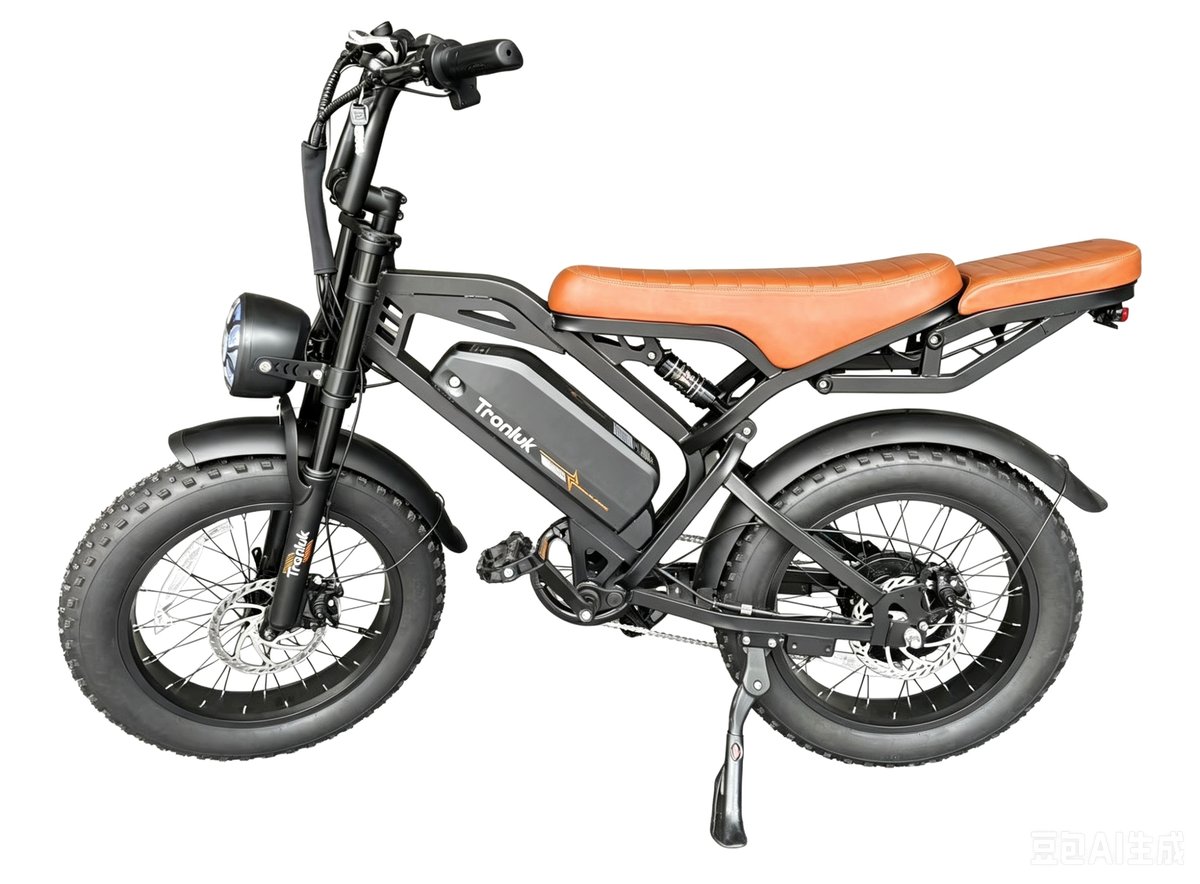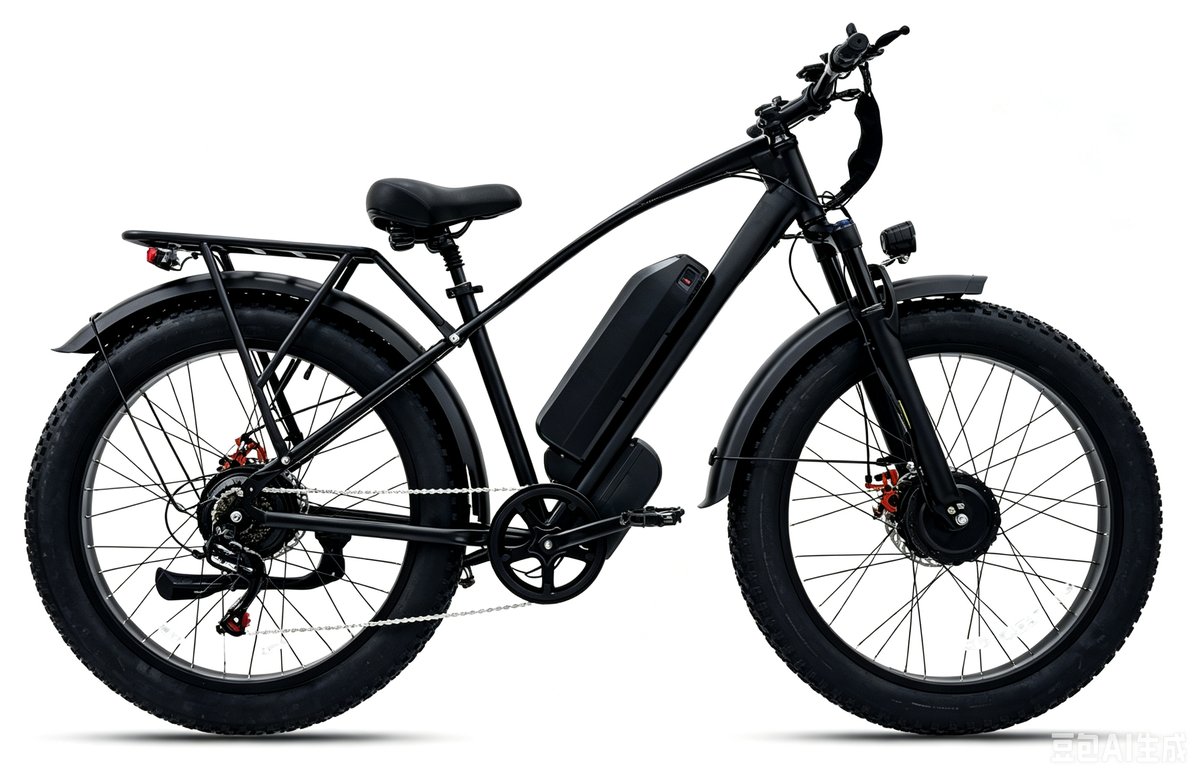
When you're comparing the JIUYUE EB01 26in against alternative 26-inch e-bikes, the spec sheet only tells you half the story. The real differentiator is the factory behind the model — its audit history, production lines, component sourcing discipline, and QC gates. This article walks through what to verify before you commit to any supplier, using the JIUYUE EB01 26in as a reference point and pulling in other models like the JIUYUE GT600-20 Pro where it helps illustrate the checks.
Start with the paper trail: audits and certifications. Ask for the factory's latest ISO 9001 certificate and the actual audit report, not just the logo on a website. For e-bikes sold into the EU, you need EN 15194 test reports for the whole bike, and for the US market, UL 2849 is increasingly demanded by retailers and insurers. A common buyer question is: "Do I really need UL certification to sell in the US?" The short answer is yes if you're selling through major retail chains or marketplaces — they will ask for it, and lacking it can stall your listing. Verify that the certificate names the exact model or platform, not a generic frame. For the JIUYUE EB01 26in, confirm the report covers the 26-inch frame variant and the specific motor-battery combination you plan to order.
Next, look at production lines and capacity. A factory that assembles e-bikes on a single mixed line will struggle with consistency at volume. Ask how many dedicated assembly lines they run, what their daily output is, and whether they have separate lines for frame welding, painting, and final assembly. A realistic lead time for a 500-unit order is 35–45 days after deposit, plus 25–30 days sea freight to a European port. If a supplier promises 15 days for 1,000 units, that's a red flag — either they're outsourcing or they're not being honest about capacity. Request a video walkthrough of the line and, if possible, a third-party inspection during production. For comparison, the JIUYUE GT600-20 Pro is built on a different frame platform, so ask whether it shares the same assembly line and QC gates — if it does, you can expect similar process control; if not, verify each line separately.
Component sourcing is where many factories cut corners. Ask for the bill of materials (BOM) with brand names for the motor, battery cells, controller, display, and brakes. A 26-inch e-bike typically uses a 250W–500W rear hub motor and a 36V or 48V battery; the cell brand matters more than the capacity printed on the label. LG, Samsung, and Panasonic cells cost more but have better cycle life and are easier to certify. If the factory uses unbranded cells, ask for cycle-test data and a warranty policy that covers capacity fade. Also check whether the controller and display are from a known supplier like King-Meter or Bafang — this affects spare-parts availability for your distributors. A common procurement question on LinkedIn is: "What MOQ should I expect from a real factory?" For a 26-inch commuter model like the JIUYUE EB01 26in, a realistic MOQ is 50–100 units per color, with mixed-container options if you order multiple models. If a factory asks for 500 units minimum on a first order, they're either a trading company or they don't want small buyers.
QC is the last gate and the one buyers regret skipping. Ask for their QC process document: incoming inspection for cells and motors, in-process checks after wheel building and wiring, and a final 100% functional test before packing. A good factory will share pass/fail rates and let you place your own inspector on site. For CIS and Middle East shipments, check that the charger is rated for 220–240V and that the plug type matches your market. For South America, confirm the battery pack meets UN38.3 for air freight and that the carton has the correct drop-test certification. Also ask about spare-parts policy: what percentage of controllers, chargers, and batteries do they include per container, and what's the lead time on replacements? A factory that can't answer this in writing will slow down your after-sales operation.
Finally, compare the JIUYUE EB01 26in vs alternatives on total landed cost, not unit price. A cheaper bike with unbranded cells and no EN 15194 report will cost you more in certification, returns, and chargebacks. Ask each candidate factory for a sample unit, run your own bench test on range and motor cut-off speed, and check the frame welds under the bottom bracket. If the factory passes the audit, line, sourcing, and QC checks, the EB01 26in is a solid platform for distributors who need a reliable 26-inch commuter with predictable supply. If not, keep looking — the savings aren't worth the risk.