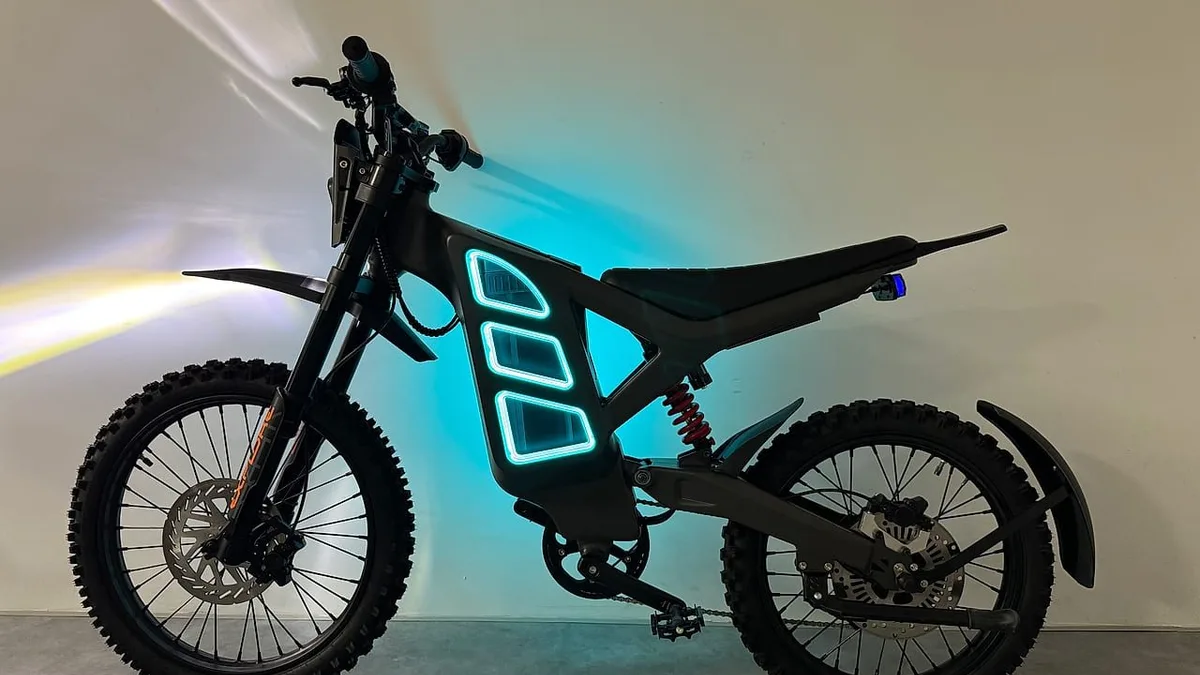
For distributors, importers, and retail chains, understanding MOQ and container loading is critical to profitable e-bike sourcing. This guide breaks down the key factors that affect minimum order quantities, shipping efficiency, and total landed cost, helping you plan orders that balance inventory risk with freight savings.
## Why MOQ and container load matter for distributors and importers
MOQ (minimum order quantity) directly impacts your cash flow and warehousing strategy. Factories set MOQs based on production efficiency, component sourcing, and setup costs. A typical e-bike MOQ ranges from 50 to 100 units per model, but this varies by factory and customization level. Container load, on the other hand, determines your per-unit freight cost. A 20ft container holds about 60-80 e-bikes (depending on model and packaging), while a 40ft HQ container can fit 120-160 units. Understanding these numbers helps you negotiate better terms and avoid overstock or stockouts.
## Key specs that affect MOQ and container utilization
Motor power, battery capacity, and frame design influence both MOQ and how many units fit in a container. Higher-power motors (e.g., 750W or 1000W) may require more robust packaging and compliance checks, sometimes raising MOQ. Battery capacity (e.g., 48V 13Ah vs. 48V 20Ah) affects weight and packaging size, impacting container load. Certification requirements (CE, EN15194, UL) can also dictate MOQ because factories need to amortize testing costs. Always clarify these specs early to align MOQ with your market demand.
## Buying and verification checklist before placing an order
Before committing to an MOQ, verify the factory's capabilities and product quality. Request samples from current production, not prototypes. Check motor and battery certifications, and ask for test reports. Confirm the warranty terms and spare parts availability. Visit the factory or use a third-party inspection service. Clarify packaging details—export carton strength, palletization, and any customized branding. Also, discuss lead times and production schedules to ensure they match your sales cycle. A thorough checklist prevents costly surprises.
## MOQ, pricing, and the B2B order process
MOQ often correlates with pricing tiers: higher volumes unlock better unit prices. Factories may offer price breaks at 100, 200, or 500 units. The order process typically starts with a request for quotation (RFQ), followed by sample approval, then a proforma invoice with deposit (usually 30%). Production begins after deposit, and balance is due before shipment. Freight terms (FOB, CIF, DDP) affect your total cost. For CIS, Middle East, South America, Africa, and Europe, shipping methods and container types vary—consider 20ft vs. 40ft based on volume and destination port efficiency.
## How OEM and private-label orders work
OEM (original equipment manufacturer) and private-label orders allow you to customize e-bikes with your brand. MOQs for OEM are generally higher—often 100-200 units per model—because of tooling, labeling, and packaging changes. The process includes design approval, logo placement, and sometimes frame modifications. Private-label is simpler: you choose an existing model and apply your branding. Both require clear communication on specifications, certification transfer, and intellectual property. Expect longer lead times for OEM, but the result is a differentiated product for your market.
In summary, mastering MOQ and container load dynamics is essential for B2B e-bike sourcing. Start with realistic volume estimates, verify factory credentials, and negotiate terms that align with your sales forecast. A well-planned order minimizes risk and maximizes profitability.