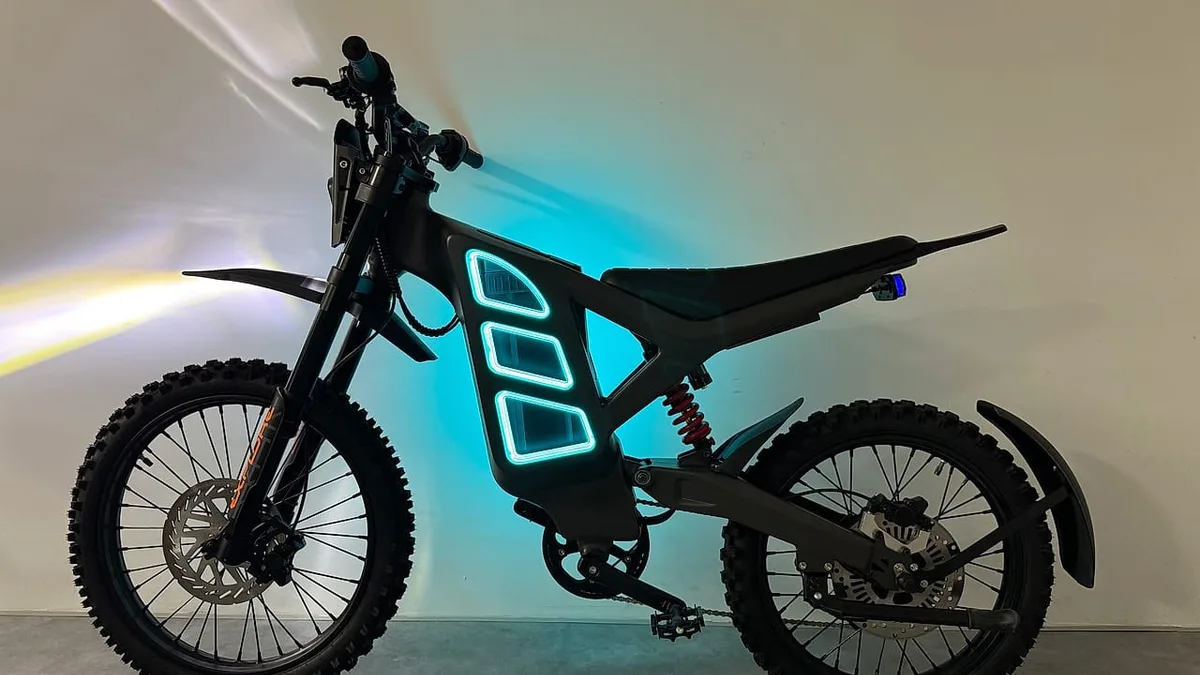
When you source e-bikes from a factory, the pre-shipment inspection is your last chance to catch problems before they become your customers' problems. A missed defect at this stage can turn into costly returns, warranty claims, and reputational damage. This guide provides a practical, step-by-step QC checklist tailored for B2B buyers—distributors, importers, and private-label brands—so you can verify quality, compliance, and consistency before the container leaves the factory.
## Why pre-shipment QC matters for distributors and importers
A pre-shipment inspection (PSI) is not just a formality; it's a risk-management tool. For B2B buyers, the stakes are higher than for individual consumers: one defective batch can affect hundreds of units, trigger regulatory issues, and strain relationships with your retail partners. Common failures include battery mismatches, controller faults, brake misalignment, and missing certifications. Without a structured QC process, you may only discover these issues after the goods arrive—when returns and rework are far more expensive. A thorough PSI also protects your brand: if you're selling under your own label, every defect reflects on you, not the factory. Finally, a documented QC checklist gives you leverage in negotiations and ensures the factory knows you're serious about quality.
## Key specs to verify: motor, battery, and certification
Start with the core components that define performance and safety. Motor: confirm the rated power (W), voltage (V), and torque (Nm) match your order spec. Check for labeling and serial numbers. Battery: verify capacity (Ah), voltage, and cell brand (e.g., Samsung, LG, Panasonic). Ensure the BMS is correctly rated and that the battery pack is securely mounted. Certification: depending on your market, you need CE, EN 15194, UL 2849, or other local standards. Request test reports and check that certificates are valid and cover the exact model. Also inspect the display, controller, brakes (hydraulic vs. mechanical), and frame welds. For OEM orders, confirm that all branding and decals match your approved artwork.
## The pre-shipment inspection checklist
A systematic checklist should cover the following areas. Visual inspection: check for scratches, paint defects, and proper assembly. Function test: power on the bike, test all assist levels, throttle (if applicable), lights, and horn. Brake test: ensure brakes engage smoothly and evenly. Battery test: measure voltage and capacity with a load tester; check for any swelling or damage. Safety checks: verify that reflectors, bells, and warning labels are present. Packaging: inspect carton strength, internal padding, and that each unit is protected against moisture. Documentation: confirm user manuals, chargers, and tools are included. Sampling: use AQL (Acceptable Quality Limit) sampling, typically Level II, to determine how many units to inspect. For high-value orders, consider a 100% inspection of critical components.
## MOQ, pricing, and the B2B order process
Understanding the factory's MOQ (Minimum Order Quantity) and pricing structure is essential for planning. MOQs for e-bikes typically range from 50 to 200 units per model, but can be negotiable for long-term partners. Pricing depends on specs, battery capacity, and order volume. Always request a detailed quotation that breaks down costs (motor, battery, frame, assembly). Payment terms are usually 30% deposit, 70% before shipment. Shipping: confirm Incoterms (FOB, CIF, DDP) and lead times. For CIS, Middle East, South America, Africa, and Europe, check that the factory has experience with your region's logistics and certification requirements. Also clarify warranty terms and spare parts availability.
## How to start a private-label or OEM order
If you want to sell under your own brand, the process starts with a clear brief: target market, specs, and budget. Request samples (often paid) to evaluate quality. Once approved, sign a contract that includes QC standards, penalties for non-compliance, and delivery schedules. Provide your logo and packaging artwork. The factory will produce a pre-production sample for final approval. During production, schedule a mid-production inspection and a pre-shipment inspection. For private-label, ensure the factory removes all original branding and applies yours correctly. Finally, arrange third-party inspection if you lack in-house QC. A good factory will welcome this—it shows you're a professional buyer.
A pre-shipment QC checklist is not a bureaucratic hurdle; it's a competitive advantage. By verifying specs, testing functionality, and confirming certifications, you protect your investment and your reputation. Use this guide to build a repeatable QC process, and insist on transparency from your factory. The result: fewer surprises, happier customers, and a stronger bottom line.