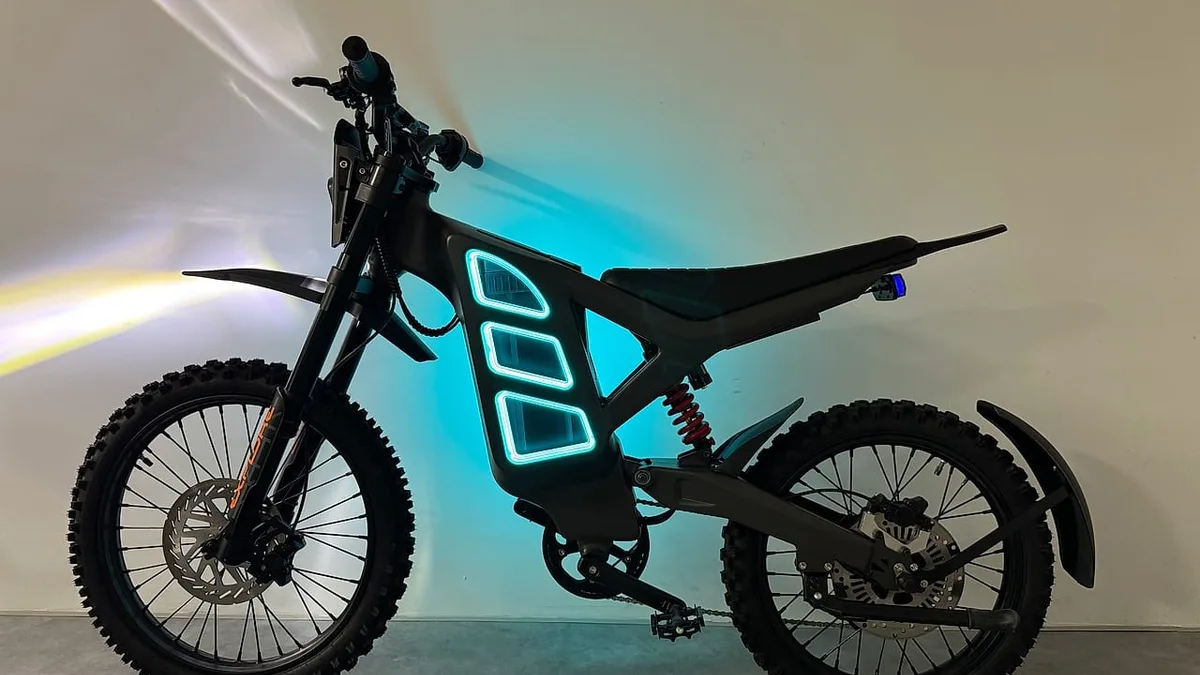
Fat tire e-bikes are no longer a niche curiosity. In markets with loose sand, packed snow, or rugged terrain, they have become a practical mobility solution for delivery fleets, rental operators, and outdoor enthusiasts. For distributors, importers, and private-label brands, this segment offers high margins and growing demand—but only if you source the right product. This guide covers the technical specs that matter, the verification steps you cannot skip, and how to place a factory order that protects your investment.
## Why fat tire e-bikes matter for distributors and importers
Fat tire e-bikes solve a real problem: standard tires sink or slip on soft ground. The wide contact patch (typically 4 inches or more) distributes weight, improves traction, and opens up year-round use in regions with sand dunes, snowy winters, or muddy trails. For B2B buyers, this translates into a product that appeals to multiple customer segments—from beach resorts in the Middle East to winter delivery services in CIS countries and adventure rental fleets in South America.
The market is also less saturated than commuter e-bikes. Many distributors still rely on generic imports, which means a well-specified, certified fat tire model can differentiate your catalog. Margins are healthier because the product is perceived as specialized, and replacement parts—tires, rims, brake pads—create recurring revenue.
## Key specs that matter: motor, battery, and certification
Motor power is the first spec buyers ask about. For sand and snow, 750W is the practical minimum; 1000W or dual-motor setups are common for heavy riders or cargo use. However, check whether the motor is rated for continuous or peak output—continuous 750W with a peak of 1000W is more honest than a “1000W” label that only applies for seconds. Also confirm the motor brand and whether it uses a torque sensor or cadence sensor; torque sensors give a more natural ride and are preferred in rental fleets.
Battery capacity directly affects range, but in cold conditions, lithium-ion packs lose 20–30% of their capacity. For snow markets, specify a battery with a built-in thermal management system or at least a removable pack that can be stored indoors. Look for 48V or 52V systems with 15Ah–20Ah capacity for a realistic 40–60 km range in mixed terrain. Cell brand matters: Samsung, LG, or Panasonic cells cost more but reduce warranty claims.
Certification is non-negotiable. For Europe, you need CE and EN 15194 compliance. For the US, UL 2849 for the electrical system is increasingly required by insurers and retailers. For CIS and Middle East markets, check local customs requirements—some countries require EAC or SASO certificates. Always ask for test reports, not just certificates, and verify the factory’s ISO 9001 status.
## Buying and verification checklist
Before placing a bulk order, request a pre-production sample and test it in conditions that mimic your market. For sand, ride on loose dunes; for snow, test on packed and slushy surfaces. Check frame welds, tire bead seating, and brake performance under load. A common failure point is the rim width—fat tires need rims of at least 80mm to avoid pinch flats.
Verify the battery management system (BMS) for overcharge, over-discharge, and temperature protection. Ask for a cycle life report (capacity retention after 500 cycles). Confirm the charger is certified for your destination country’s voltage and plug type. Also inspect the controller’s waterproof rating—IP65 is the minimum for snow and rain exposure.
Finally, request a bill of materials (BOM) with component brands. Factories that hide component sources are a red flag. A transparent BOM helps you compare quotes accurately and plan spare parts inventory.
## MOQ, pricing, and the B2B order process
Most fat tire e-bike factories set a minimum order quantity (MOQ) of 50–100 units per model, though some accept 20–30 units for first orders with a surcharge. Pricing depends on specs: a base 750W model with a 15Ah battery might range from USD 650–850 FOB, while a 1000W dual-battery version can reach USD 1,200–1,500. Always clarify what is included—battery, charger, tools, and packaging.
Shipping regions matter for cost and compliance. For CIS countries, rail and road freight via Kazakhstan or Belarus is common; for Middle East, sea freight to Jebel Ali or Dammam; for South America, Santos or Callao; for Africa, Durban or Lagos. Ask the factory for previous export experience to your region and request references. Incoterms should be FOB or CIF, and you need a clear lead time—typically 30–45 days for production plus transit.
## How OEM and private-label orders work
Private-label is straightforward: you provide your logo, color scheme, and any frame decals. Most factories can customize the frame color, battery case branding, and packaging. For OEM, you can specify component upgrades—better brakes, a different motor brand, or a larger battery—but expect higher MOQ and longer lead times. Start with a sample order to validate quality, then scale.
Ask for a detailed timeline: design confirmation (1–2 weeks), sample production (2–3 weeks), mass production (4–6 weeks), and quality inspection before shipment. A factory that provides a clear schedule and allows third-party inspection is a safer partner.
Fat tire e-bikes for sand and snow markets reward buyers who invest in specification and verification. Focus on honest motor ratings, cold-weather battery performance, and certified components. Start with a small order, test in real conditions, and build a long-term relationship with a transparent factory. That approach protects your margin and your reputation.