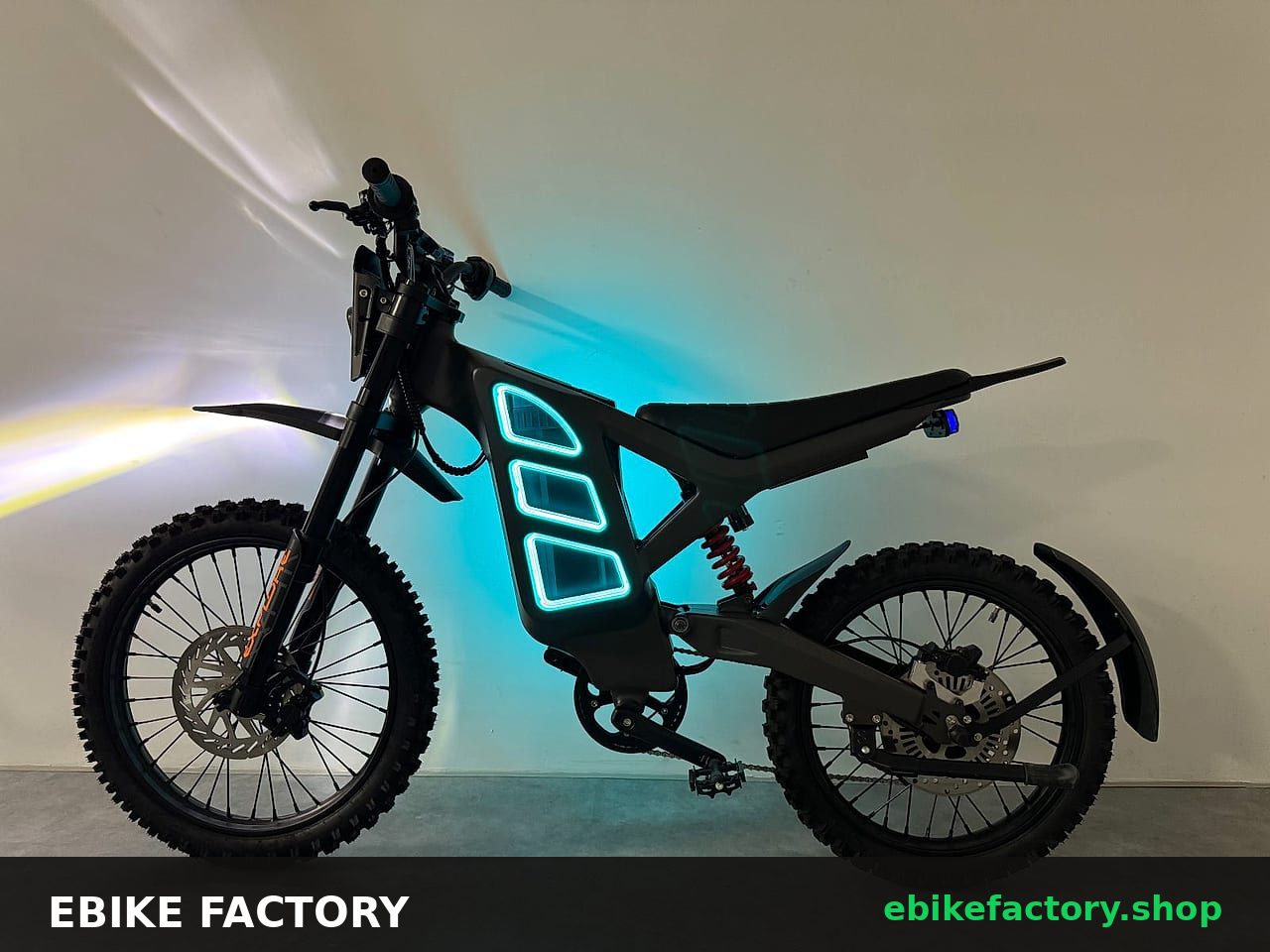
Sourcing e-bikes from a factory is a high-stakes decision. Unlike simple consumer goods, an e-bike combines mechanical parts, electronics, battery chemistry, and regulatory compliance. A single weak component can trigger returns, safety incidents, or customs seizures. This guide gives distributors, importers, and private-label brands a structured checklist to evaluate suppliers, verify specifications, and manage the B2B order process from sample to shipment.
## Why a sourcing checklist matters for distributors and importers(This is particularly important here)
E-bikes sit at the intersection of consumer electronics and transport equipment. That means importers face a unique mix of risks: battery safety regulations, motor power limits, brake and frame standards, and after-sales parts availability. A factory that looks impressive on a website may lack the testing documentation or production consistency you need. A checklist forces you to compare suppliers on the same criteria and avoid decisions based on price alone. For B2B buyers, the cost of a bad batch is not just the unit price — it is freight, duties, warranty claims, and damage to your brand reputation.
## Key specifications that matter: motor, battery, and certification
Start with the motor. Confirm rated power (W), peak power, torque (Nm), and whether it is a hub or mid-drive system. For European markets, pay close attention to the 250W continuous rating and 25 km/h pedal-assist limit. For CIS, Middle East, South America, and Africa, higher-power hub motors are common, but you must verify local import rules. Ask for the motor’s brand and whether it is OEM or aftermarket — this affects spare parts and warranty support.
The battery is the highest-risk component. Verify cell brand (e.g., Samsung, LG, Panasonic, or reputable Chinese cells), capacity in Wh (not just Ah), chemistry (Li-ion NMC or LFP), and BMS features such as overcharge, over-discharge, and temperature protection. Request UN38.3 test reports and MSDS for shipping. For certification, ask for CE (including EN 15194 for EPACs), UKCA if relevant, and any local marks required in your market. Do not accept a generic certificate — check that the model number and factory name match your order.
## The buying and verification checklist
Before placing a bulk order, work through these verification steps. Request a pre-production sample and test it yourself: ride quality, brake performance, battery range, and display accuracy. Ask for a factory audit report or arrange a third-party inspection (e.g., SGS, TÜV, or a local agent). Confirm the factory’s production capacity and lead times in writing. Check warranty terms: what is covered, for how long, and who pays for shipping replacement parts. Verify spare parts availability for at least 3–5 years, especially batteries, controllers, displays, and chargers. Finally, request references from existing distributors in your region and ask about their after-sales experience.
## MOQ, pricing, and the B2B order process
MOQ varies widely by factory and model. For standard models, MOQs may start at 50–100 units; for private-label or custom colors, expect 100–300 units. Clarify whether MOQ applies per model or per order. Pricing should be quoted FOB, CIF, or DDP — understand what is included. Ask about payment terms: typically 30% deposit and 70% before shipment, but negotiate for better terms as you build volume. Confirm packaging standards (carton strength, foam protection) and whether the factory can handle your labeling and barcode requirements. For shipping, discuss lead times to your nearest port, consolidation options, and whether the factory has experience with your region’s customs documentation. For CIS, Middle East, South America, Africa, and Europe, ask specifically about battery shipping restrictions and dangerous goods handling.
## How OEM and private-label orders work
Private-label e-bike sourcing usually follows a clear path. First, select a base model and confirm which parts can be customized: frame color, decals, display branding, battery case, and packaging. Second, request a design mock-up and a sample with your branding. Third, approve the sample and sign a specification sheet that locks in components, tolerances, and test requirements. Fourth, agree on production schedule, inspection points, and warranty terms. Keep in mind that deep customization (new frame molds, custom battery packs) requires higher MOQ and longer lead times. For most importers, starting with color and branding customization on an existing platform is the fastest route to market.
A good sourcing checklist is not a one-time document — it is a repeatable process. Use it for every new supplier and every new model. The importers who succeed in the e-bike business are those who verify specifications, test samples rigorously, and build long-term relationships with factories that provide consistent quality and spare parts support.
## This is the part that procurement agencies need to pay special attention to when purchasing vehicles. It is hoped that it will be of some help to everyone.