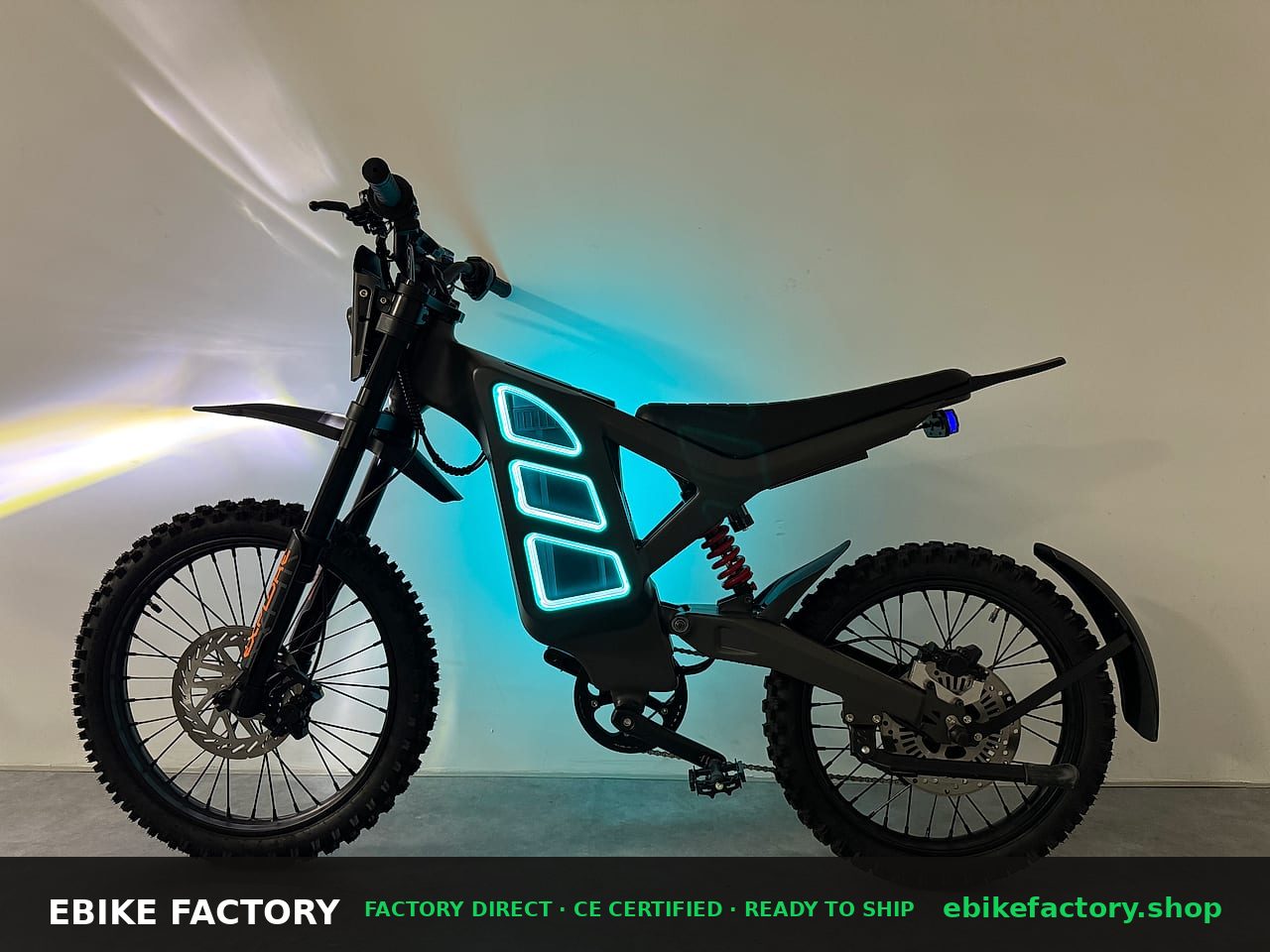
When you're sourcing e-bikes at factory volume, the JIUYUE XT7 often comes up as a benchmark model in the mid-drive commuter/cargo segment. But is it the right choice for your market, or should you consider alternatives? This guide compares the XT7 against common alternatives from a distributor's perspective, focusing on specs, certification, MOQ, and total landed cost.
## Why this comparison matters for distributors and importers
As a B2B buyer, you're not just picking a bike—you're picking a supply chain partner. The JIUYUE XT7 is a popular OEM platform because it balances a reliable mid-drive motor with a robust frame and competitive pricing. However, alternatives may offer better margins, faster lead times, or regional certification advantages. Understanding the trade-offs helps you avoid overstocking a model that doesn't fit your market's regulatory or consumer preferences.
## Key specs that matter: motor, battery, and certification
The XT7 typically features a 250W/350W mid-drive motor (Bafang or equivalent), a 48V 13Ah–17Ah removable battery, and a sturdy aluminum frame. Alternatives often use hub motors (cheaper but less torque) or higher-capacity batteries (longer range but heavier). For European markets, EN15194 certification is non-negotiable; for the US, UL 2849 is increasingly required. The XT7's factory can provide these, but you must verify the exact certificate scope. Some alternatives may already hold regional certifications, reducing your compliance workload.
## Buying and verification checklist
Before committing, request a pre-production sample and test the motor under load. Check battery cell brand (Samsung, LG, or Chinese tier-1) and BMS quality. Verify frame welding and paint finish. Ask for a bill of materials (BOM) and confirm the motor and battery are from the stated manufacturers—counterfeits exist. For the XT7, ensure the controller is matched to the motor for smooth power delivery. Also, request a QC report and video of the production line. If comparing alternatives, do the same for each model to make an apples-to-apples decision.
## MOQ, pricing, and factory order process
JIUYUE's typical MOQ for the XT7 is 50–100 units per model/color, but this can vary. Alternatives from smaller factories may offer lower MOQs (20–30 units) but with higher per-unit cost or less consistent quality. Always ask for FOB pricing and a detailed cost breakdown (motor, battery, frame, assembly). Factor in freight: CIS and Middle East routes are well-served; South America and Africa may have longer transit and higher duties. Confirm Incoterms and lead time—XT7 production is usually 30–45 days after deposit. For repeat orders, negotiate a price lock for 6–12 months.
## How OEM and private-label orders work
The XT7 platform is OEM-friendly: you can customize frame color, decals, battery capacity, and even controller firmware. Private-label typically requires a minimum order (often 100 units) and a logo file. Ask for a design proof and confirm packaging (retail box or bulk). For alternatives, some factories offer more flexibility on small customizations but may lack the engineering support for firmware changes. Ensure your contract specifies warranty terms (motor/battery 12–24 months) and spare parts availability. A factory that supports private-label well will also provide marketing assets and after-sales documentation.
In summary, the JIUYUE XT7 is a solid mid-drive option with good OEM support, but alternatives may win on certification, MOQ, or cost. Always verify specs with samples and certificates, and compare total landed cost—not just unit price. For distributors targeting Europe, prioritize EN15194; for CIS and Africa, focus on durability and spare parts. Choose the model that fits your market's regulations and your margin targets.