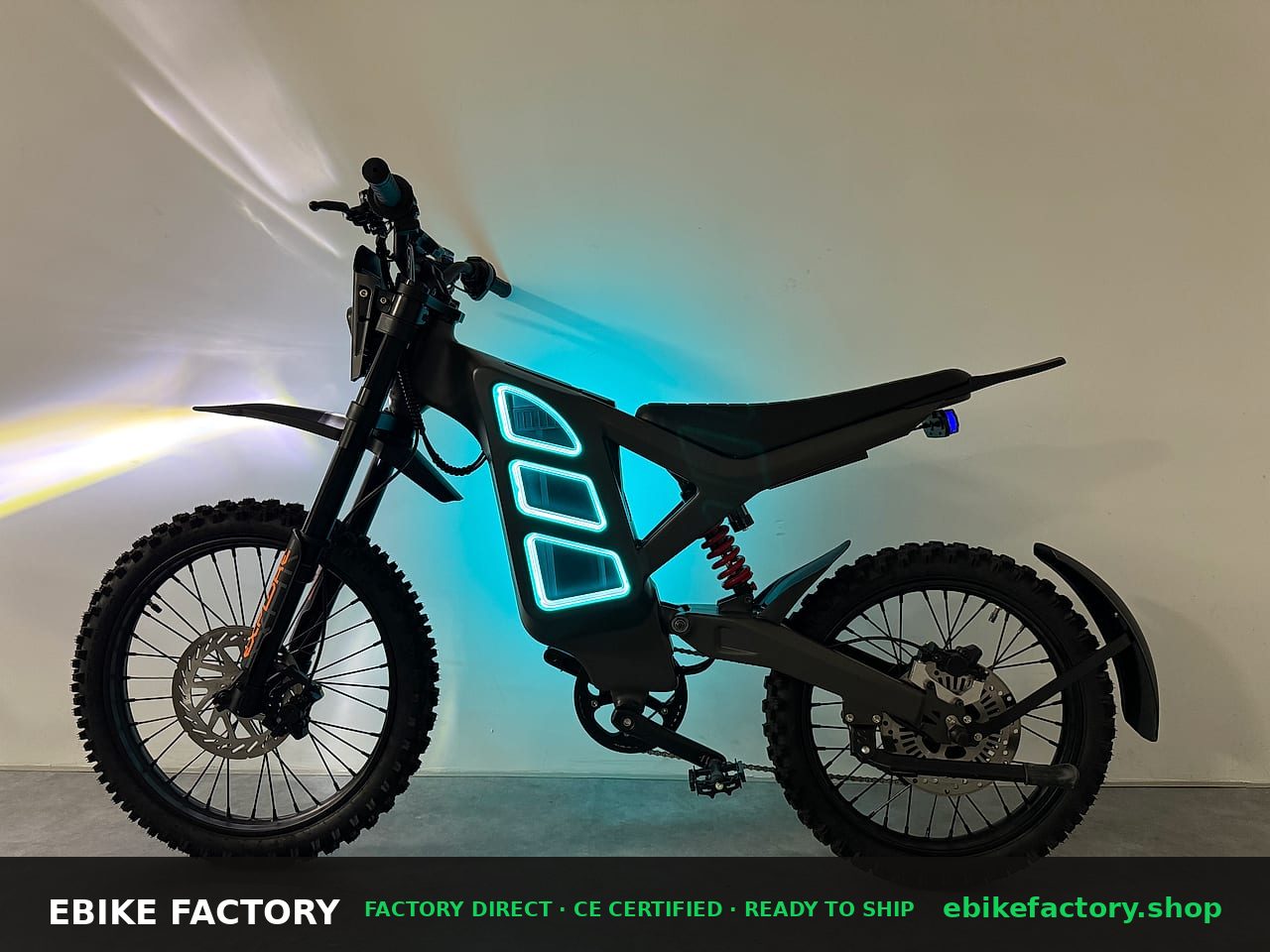
The JIUYUE XT7 is a high-demand electric bike model for B2B buyers looking to add a reliable, feature-rich e-bike to their catalog. But when you search for the JIUYUE XT7 wholesale price, you quickly realize that pricing is never a single number—it depends on specifications, order volume, customization, and shipping terms. This guide breaks down the key factors that influence the wholesale price, what specs matter most, and how to negotiate the best deal directly with the factory.
## Why the JIUYUE XT7 matters for distributors and importers
The e-bike market continues to grow, especially in regions like Europe, CIS, the Middle East, South America, and Africa. The JIUYUE XT7 stands out because it combines a robust build, powerful motor options, and flexible battery configurations—making it suitable for both urban commuting and light off-road use. For distributors, this versatility means you can target multiple customer segments with a single model. Importers appreciate the factory-direct pricing and the ability to customize specs to meet local regulations and consumer preferences. Retail chains and e-bike brands see the XT7 as a white-label candidate that can be branded and positioned at competitive price points. Understanding the wholesale price structure helps you plan margins, forecast demand, and avoid hidden costs.
## Key specifications that affect the wholesale price
The JIUYUE XT7 is available with several motor and battery options, and each configuration impacts the final wholesale price. The base model typically features a 250W or 500W hub motor, while higher-torque versions (750W or 1000W) are available for markets that allow them. Battery capacity ranges from 48V 13Ah to 48V 20Ah or more, with Samsung, LG, or Chinese cell options. The choice of cells alone can swing the price by 10–15%. Other price drivers include frame material (aluminum alloy vs. steel), brake type (mechanical vs. hydraulic disc), suspension (front only vs. full), and included accessories (lights, racks, fenders). Certification requirements—such as CE, EN15194, UL, or local standards—may require additional testing and component upgrades, which are reflected in the quote. Always request a detailed spec sheet with each price tier so you can compare apples to apples.
## Buying and verification checklist before you commit
Before you finalize any order, verify the following: factory credentials (ISO 9001, business license, export history), product certifications (CE, EN15194, UL2849, or equivalent for your market), battery safety reports (UN38.3, MSDS), and warranty terms (typically 1–2 years on frame, 6–12 months on battery and motor). Ask for sample units or video inspections of the production line. Confirm the exact motor power and battery capacity—some suppliers quote a low price but ship lower-spec components. Check the quality of welds, paint finish, and cable routing. Also clarify the packaging standard (carton strength, foam protection) to minimize damage during shipping. A reputable factory will provide references from existing distributors and allow third-party inspection. Don’t skip this step; it protects your investment and your brand reputation.
## MOQ, pricing tiers, and the B2B order process
The JIUYUE XT7 wholesale price is tiered based on order quantity. Typical MOQs start at 50 units for standard configurations, but can be as low as 20 units for trial orders. Price breaks often occur at 100, 300, and 500 units. For larger volumes (1000+), you can negotiate further discounts and priority production slots. Shipping terms are usually FOB (port of loading) or CIF (destination port). Freight costs vary widely by region: Europe and CIS by rail or sea, Middle East and Africa by sea, South America by sea with longer transit times. Always request a landed cost estimate that includes freight, insurance, and import duties. Payment terms are typically 30% deposit, 70% before shipment, though established relationships may qualify for more flexible terms. Lead times range from 30 to 60 days depending on order size and customization.
## How to start a private-label or OEM order
If you want to sell the JIUYUE XT7 under your own brand, the factory offers OEM and private-label services. This includes custom frame colors, decals, branded packaging, and even modified specifications (e.g., different battery cells or motor controllers). The process starts with a discussion of your requirements and target price point. The factory will provide a proposal with MOQ (often higher for custom colors, e.g., 100 units per color) and tooling costs if applicable. You’ll approve samples, sign a contract, and arrange deposit payment. Production typically takes 45–60 days, followed by quality inspection and shipping. Private-label orders require clear communication on branding assets, packaging design, and compliance documentation. Many factories also offer design support for manuals and labels. Building a long-term relationship with the factory can lead to better pricing, priority scheduling, and exclusive models.
In summary, the JIUYUE XT7 wholesale price is not a fixed figure—it’s a function of specifications, volume, customization, and shipping terms. By understanding the cost drivers and following a rigorous verification process, distributors, importers, and brands can secure competitive pricing and reliable supply. Start by requesting a detailed quote with multiple spec options, and always validate the factory’s credentials before committing to a large order.