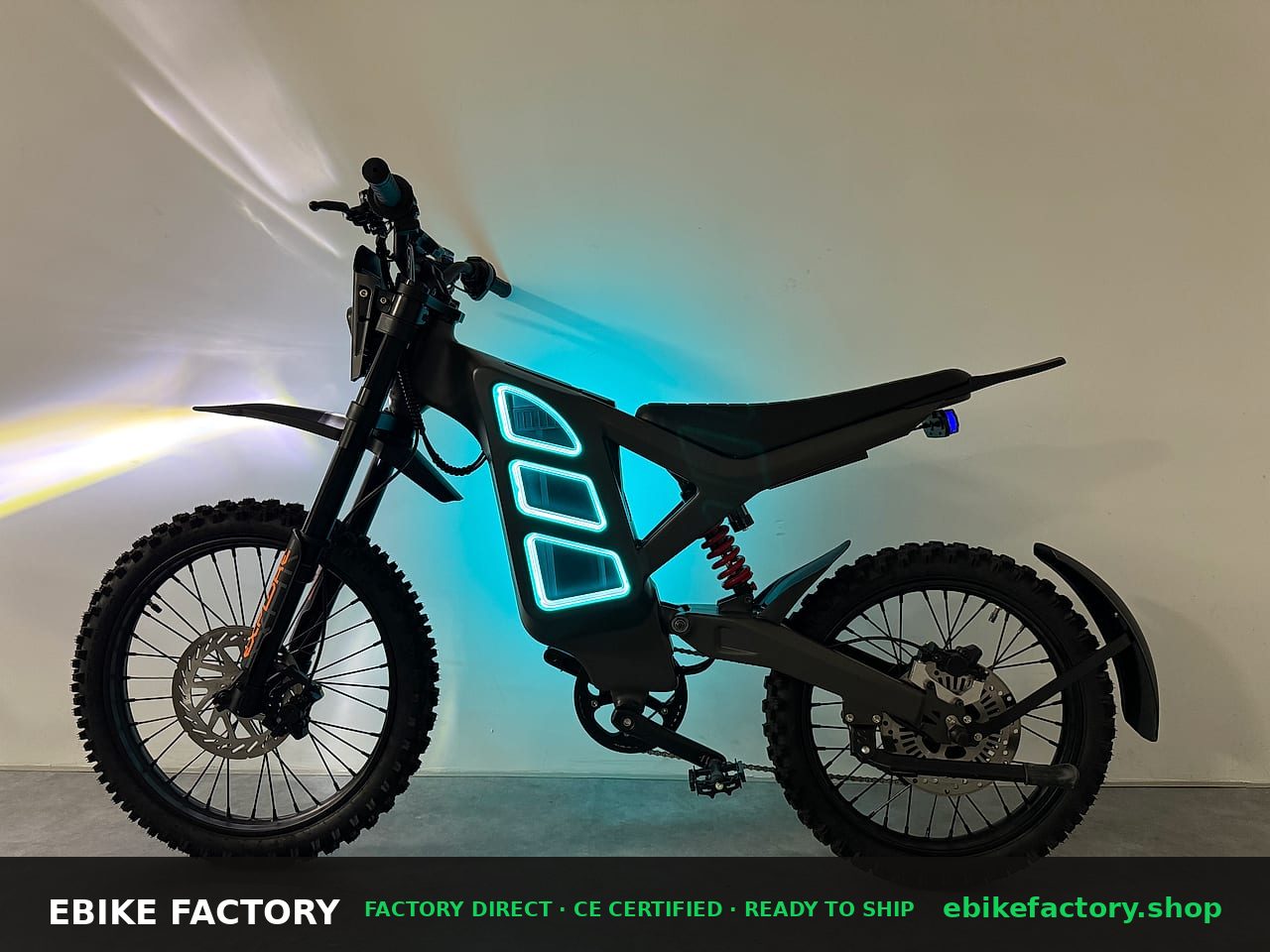
The JIUYUE XT7 is a mid-drive electric mountain bike that has gained traction among distributors and importers looking for a reliable, specification-competitive model for the CIS, Middle East, South America, Africa, and Europe. This review breaks down what matters for B2B buyers—from motor and battery specs to certification, MOQ, and private-label options—so you can evaluate whether the XT7 fits your portfolio and how to order it efficiently.
## Why the JIUYUE XT7 matters for distributors and importers
The e-bike market is crowded with hub-motor commuter models, but the XT7 targets the growing demand for mid-drive mountain and trekking e-bikes in both established and emerging regions. For distributors, the XT7 offers a balanced specification at a wholesale price point that leaves room for margin after freight and local compliance. Its 250W/500W mid-drive motor and integrated battery appeal to markets where riders expect torque for hills and off-road use, while the frame and component set are familiar enough for local service networks to support. Importers in the CIS and Middle East appreciate the robust build for varied terrain, while buyers in South America and Africa value the repairability and parts commonality. In Europe, the XT7 can be specified to meet EN 15194 where required, making it a candidate for brands seeking a mid-drive platform without the premium of top-tier European names.
## Key specs that matter: motor, battery, and certification
The XT7 is built around a mid-drive motor available in 250W (EU-compliant) and 500W (off-road/export) versions, with torque in the 80–90 Nm range depending on configuration. The battery is typically a 48V 13Ah–17.5Ah integrated pack using Samsung or LG cells, yielding roughly 624–840Wh; this is the specification distributors should confirm in writing, as cell brand and capacity directly affect range claims and warranty risk. The frame is aluminum alloy with 27.5" or 29" wheels, hydraulic disc brakes, and a 9–10 speed drivetrain. Charging time is 4–6 hours. For certification, EU-bound orders should specify EN 15194 and CE, plus UN38.3 for battery transport and MSDS. Middle East and African markets may require SASO or local standards, while South American importers should check INMETRO where applicable. Always request the test reports and certificate numbers—not just logos—and verify that the motor is programmed to the legal speed limit for your market (25 km/h in the EU, often 32 km/h or higher elsewhere).
## Buying and verification checklist before you commit
Before placing a wholesale order, request a pre-production sample and test it against your target market's expectations. Verify the actual battery capacity and cell brand by opening the pack or requesting a teardown report; confirm the motor's rated power and torque with a dyno sheet if available. Check the frame welds, paint finish, and cable routing for consistency, and inspect the display and controller firmware for language options and speed settings. Ask for the Bill of Materials (BOM) with component brands—brakes, drivetrain, tires—so you can compare against your local service and spare-parts strategy. Confirm warranty terms: typically 12–24 months on frame, 12 months on motor and battery, with clear exclusions. Request packaging specs and drop-test reports for container shipping, and clarify whether the factory provides spare parts kits (brake pads, tubes, chargers, displays) at wholesale rates. Finally, check factory audit reports (ISO 9001, social compliance) and ask for references from distributors in your region.
## MOQ, pricing, and the B2B order process
MOQ for the JIUYUE XT7 typically starts at 50–100 units per model/color for standard specifications, with lower thresholds negotiable for mixed-container orders combining several models. Pricing is FOB, with volume tiers: expect meaningful discounts at 100+, 200+, and 500+ units. Freight is usually arranged by the buyer or through the factory's forwarder; for the CIS, rail and road via Kazakhstan or Belarus are common, while Middle East buyers use Jebel Ali, and South America and Africa rely on major ports with consolidated LCL or FCL. Lead time is typically 30–45 days for standard orders and 45–60 days for customized specs, plus transit. Payment terms are usually 30% deposit and 70% before shipment, with Trade Assurance or LC options for larger orders. Confirm Incoterms, insurance, and who handles customs clearance and local certification. For repeat orders, negotiate a rolling forecast to secure component pricing and priority production slots.
## How OEM and private-label orders work
The XT7 platform supports private-label and OEM customization: frame color and decals, display branding, battery case labeling, and component upgrades (brakes, drivetrain, suspension fork). Minimums for custom colors and decals are often 100 units per variant, while full OEM (modified frame or geometry) requires higher volumes and tooling investment. Provide your brand assets, target spec sheet, and certification requirements; the factory will produce a sample for approval before mass production. Clarify who owns the tooling and whether the frame mold can be exclusive to your brand for a defined period. For EU private-label, ensure the factory can supply the technical file and declaration of conformity under your brand name. Plan for a 60–90 day cycle from spec approval to first shipment for customized orders, and budget for certification testing if your brand requires its own reports.
In summary, the JIUYUE XT7 is a credible mid-drive e-MTB platform for distributors who verify specs, certification, and warranty terms before ordering. Start with a sample, lock the BOM and battery cell brand, confirm MOQ and freight for your region, and use private-label options to build a differentiated offer. With disciplined sourcing, the XT7 can fill a profitable gap between entry-level hub-motor bikes and premium European mid-drive models.