If you already move power tools, motorcycle parts, or consumer electronics into your region, adding e-bikes looks like a logical line extension—until you run the numbers on container cube, battery freight, and after-sales parts. This playbook is written for established distributors and importers evaluating a manufacturer electric bike program, whether you are adding a new category from scratch or replacing a supplier who keeps missing delivery windows. The goal is not to talk you into a full range on day one. It is to help you decide what to stock, what to test, and what to negotiate before you wire a deposit.
## Start with what your existing channel can actually absorb
The first question is not which factory has the widest catalog—it is which two or three SKUs match the customers you already sell to. A distributor with a motorcycle accessories network will move a fat-tire commuter or a cargo-capable frame faster than a 250W city bike, because the buyer already trusts you on brakes, tires, and drivetrain service. Look at your current returns data and your dealers' floor space. Most first-time e-bike importers should test one commuter hardtail, one step-through city model, and one cargo or long-tail frame, then let sell-through decide the second order. A realistic first container for a mid-size distributor is 60–120 units mixed across two frame styles and two battery options; that is enough to fill dealer shelves without tying up capital in a color nobody asked for.
## What to stock versus what to test
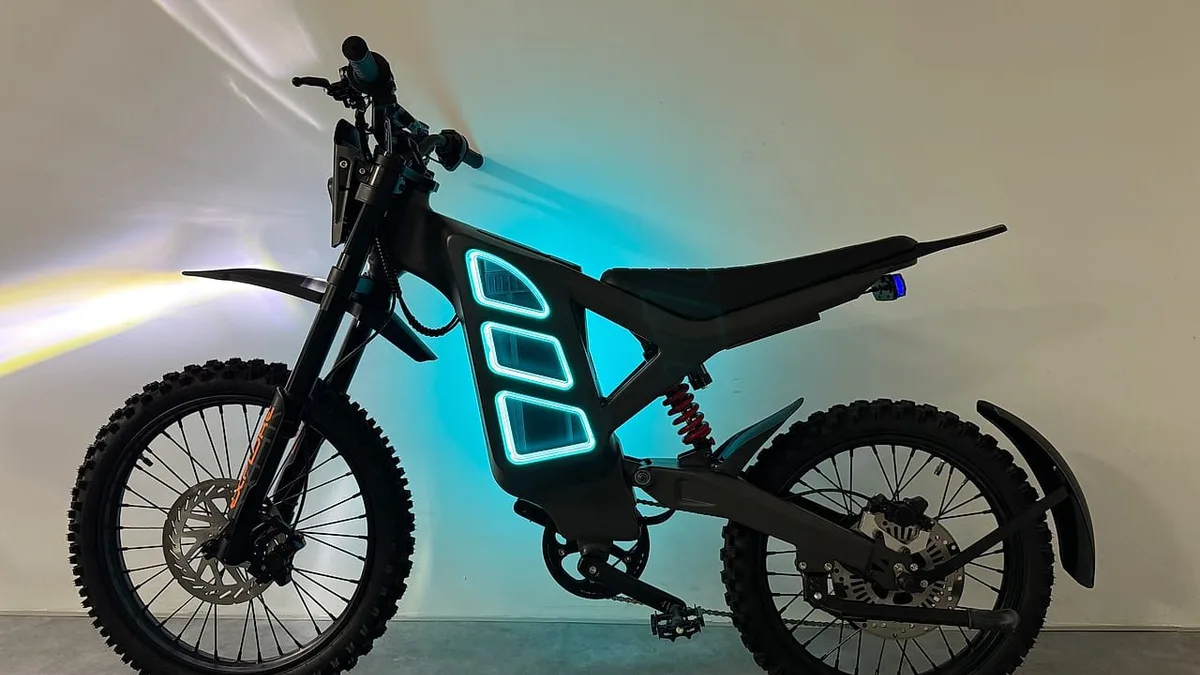
Stock the parts that fail. Test the parts that sell. Controllers, chargers, display units, torque sensors, and spare battery packs are the items that generate warranty claims and dealer frustration, so negotiate a parts kit at 3–5% of unit volume with your first order. Batteries deserve their own line item: ask for spare 48V 13Ah and 48V 17.5Ah packs in the same cell format as your main SKUs so dealers can swap cells without new tooling. On the product side, a proven platform like the JIUYUE GT600-20 Pro is a sensible test unit because the 20-inch fat-tire format, rear hub motor, and removable battery cover both commuter and light cargo use cases—one frame, two buyer profiles. Keep your test order narrow: two colors, one motor spec, one battery size. Wide assortments kill margin on the first container.
## The questions buyers actually ask before signing
Search forums and you will see the same three questions from distributors. "What MOQ should I expect from a real factory?" For established aluminum-frame e-bikes, 50–100 units per model is normal; below that you are paying for setup, not product. "Do I really need UL certification to sell in the US?" For e-bike batteries and electrical systems, UL 2849 is now expected by major retailers and increasingly by insurers; EN 15194 covers the EU, and GCC markets often ask for SASO or ESMA conformity. Budget certification as a line item, not an afterthought. "How do I compare motor power claims?" Rated versus peak watts is where spec sheets lie. A 500W rated rear hub with a 48V controller will feel stronger than a 750W peak label with a weak battery, so ask for continuous ratings and dyno sheets, not marketing numbers.
## Negotiate freight, batteries, and after-sales before price
Price per unit is the last thing to argue about. First lock the battery shipping terms: lithium packs move under UN38.3 and Class 9 dangerous goods rules, and many forwarders will only accept them in specific container configurations. Ask your manufacturer electric bike partner for the MSDS, UN38.3 test summary, and a packing declaration before you book. Second, negotiate a spare-parts commitment in writing—controllers, throttles, and chargers at cost for 24 months. Third, agree on a realistic lead time. A 40HQ container of e-bikes typically runs 35–45 days production plus 25–35 days sea freight to CIS or Middle East ports, longer to South America. If a supplier promises 20 days on a first order, ask what they are cutting. For a cargo-oriented test SKU, the JIUYUE Cargo X2 long-tail frame is worth quoting alongside your commuter line because it uses the same battery platform and shares brake and drivetrain parts, which cuts your spare-parts inventory in half.
## Match the range to your region's rules and roads
Europe rewards 250W mid-drive bikes with EN 15194 compliance and strong dealer service networks; CIS buyers often prefer 500W–1000W hub motors that handle cold and poor roads; Middle East and Africa importers lean toward fat-tire and cargo frames with high-capacity batteries and easy controller replacement. South America is price-sensitive and increasingly asks for local assembly or at least SKD kits to manage duties—Brazil's import regime alone can add 60% or more to landed cost if you ship complete bikes. Know your duty rate before you choose frame material: aluminum frames cost more upfront but cut freight weight and corrosion claims in coastal markets.
A distributor who treats e-bikes as a parts-and-service business rather than a box-moving business will win the category. Start with two or three SKUs, secure a parts kit and battery documentation, get certification costs into your landed-cost model, and negotiate lead times and spare-parts pricing before you discuss unit price. Do that, and your first container becomes a data set for the second—not a warehouse problem.