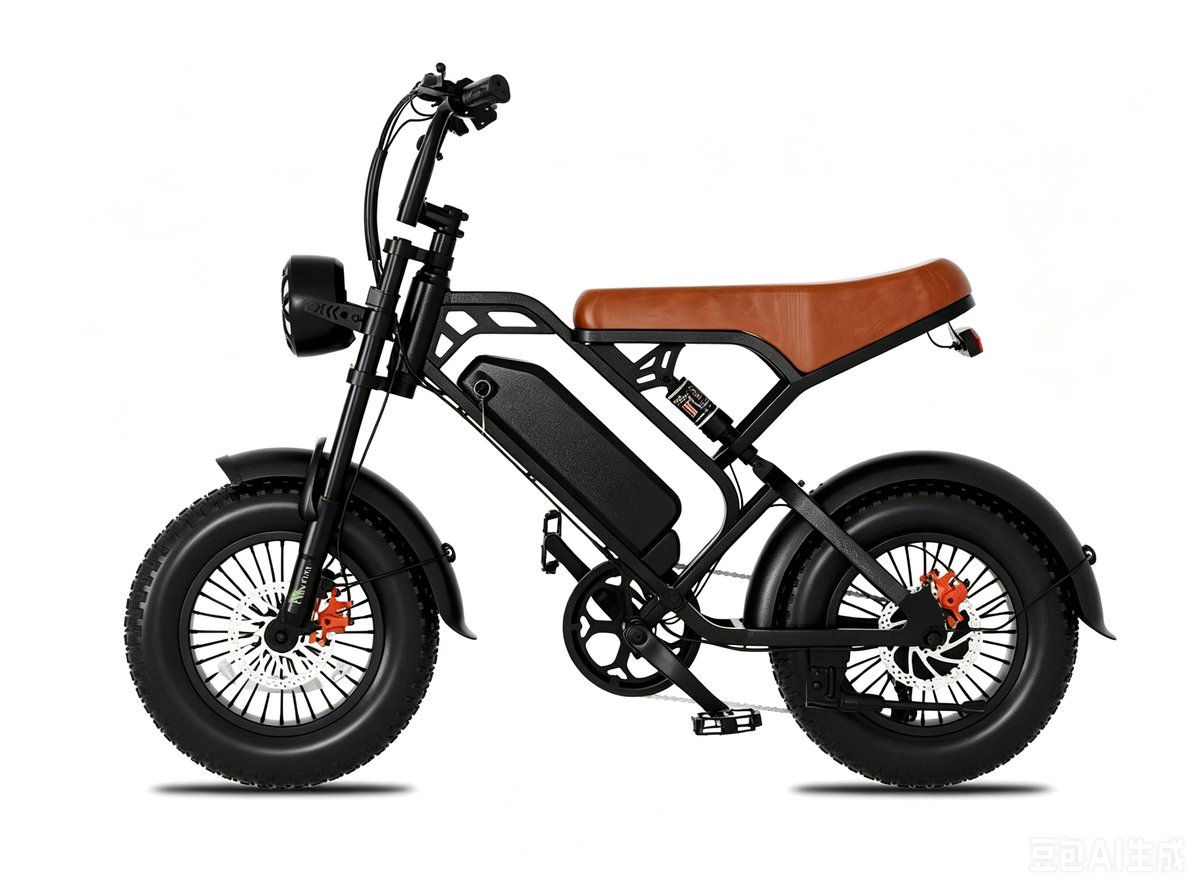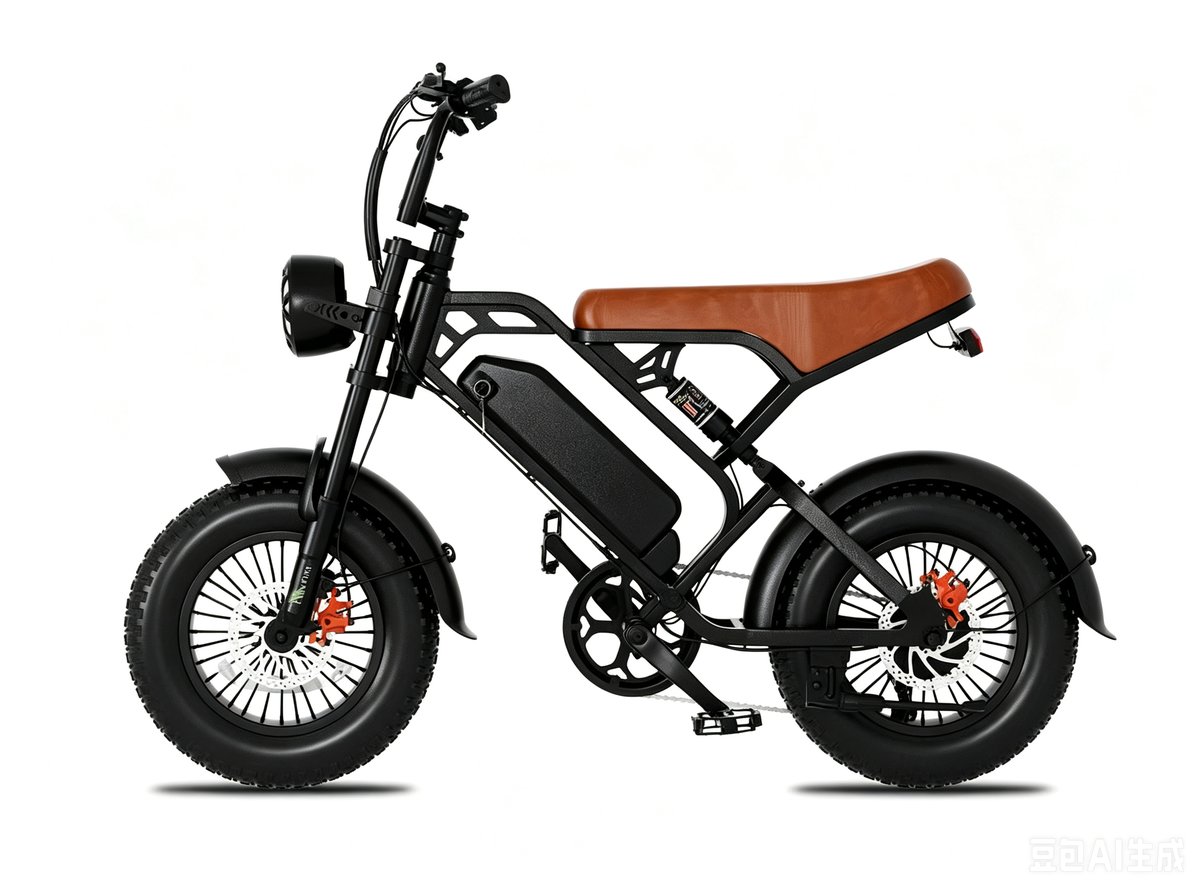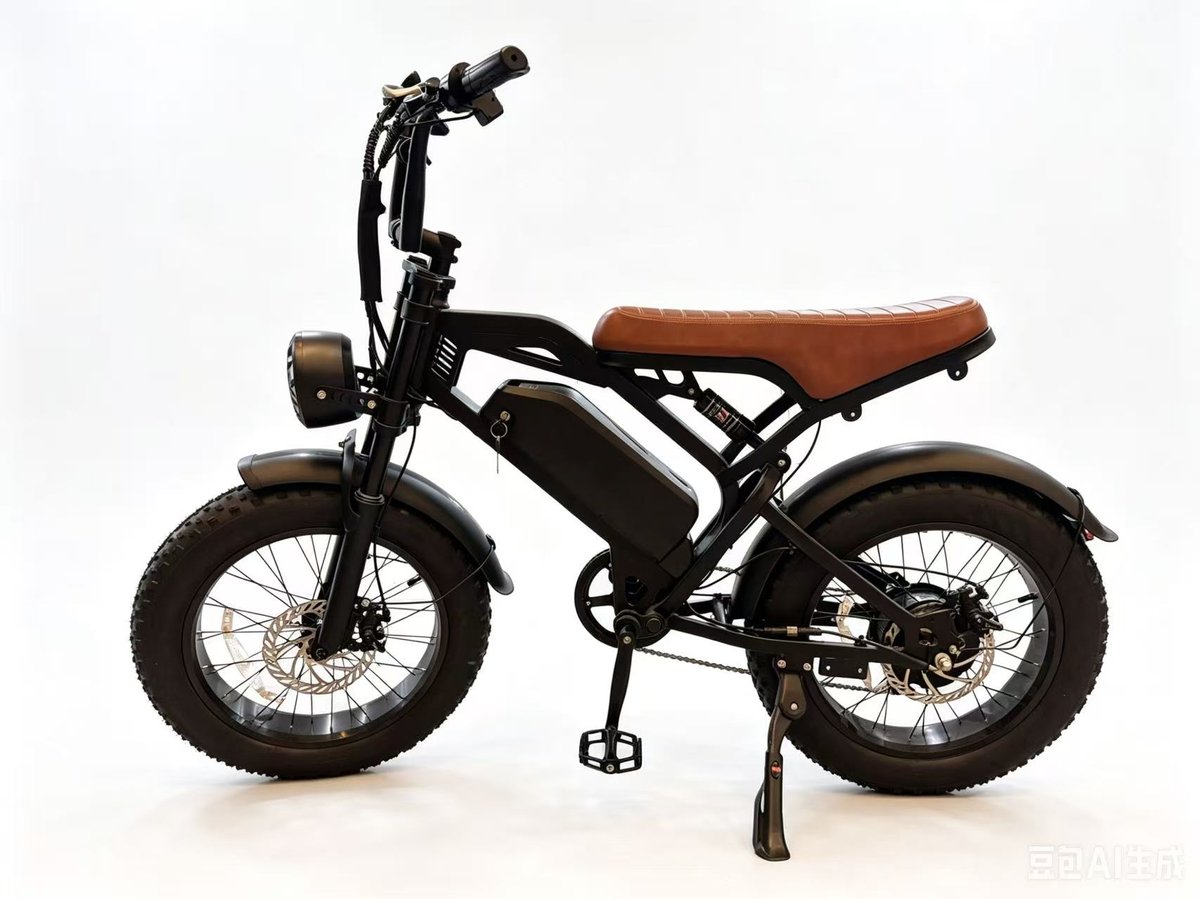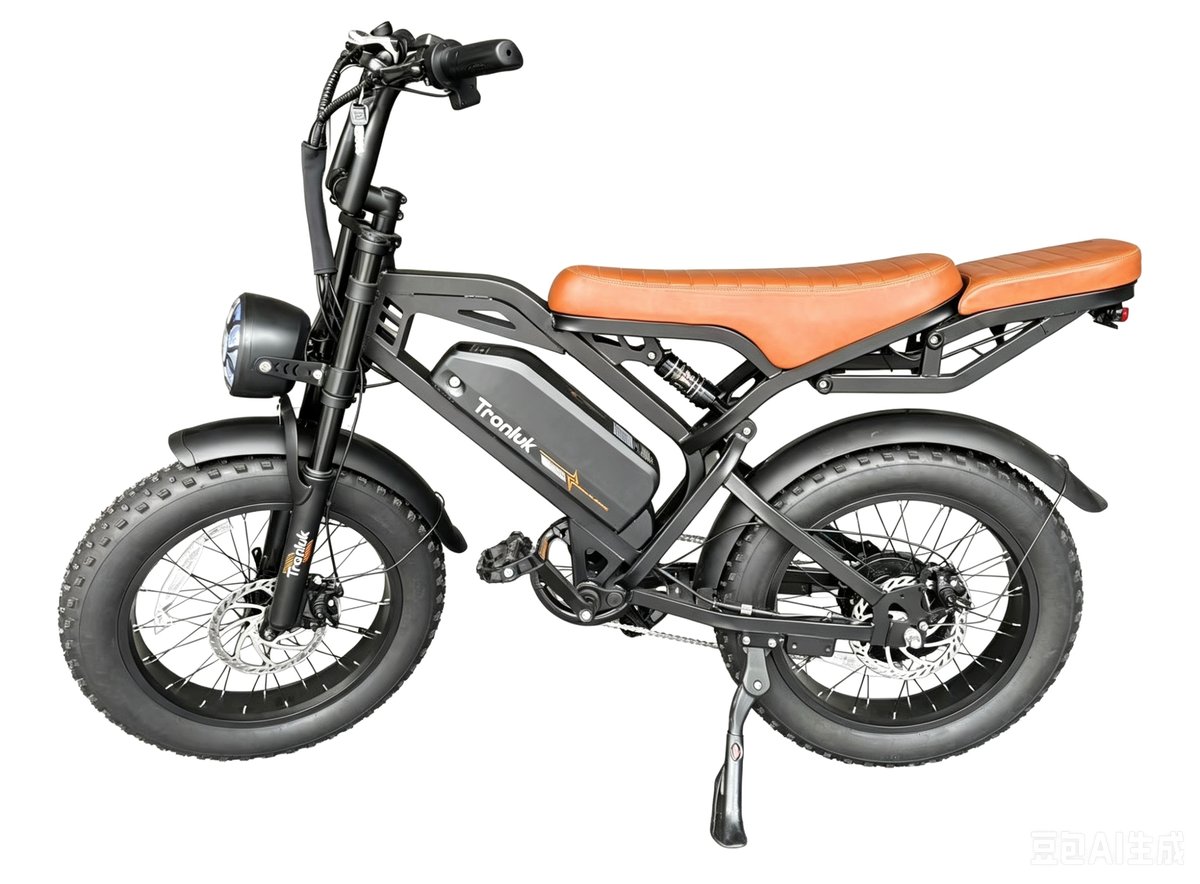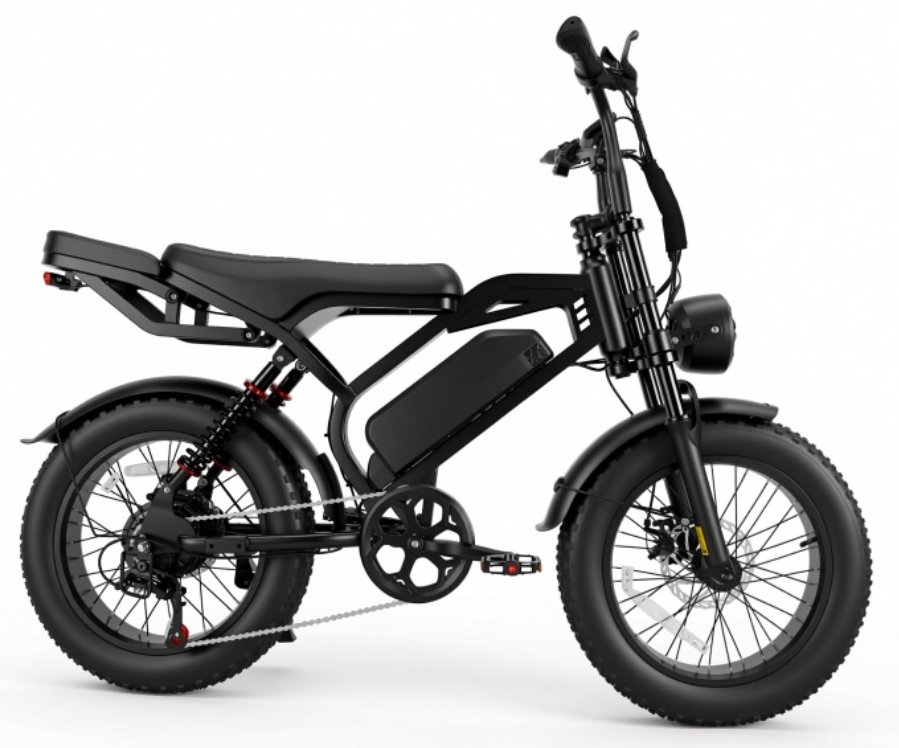
When distributors and importers ask for the JIUYUE GT610 20in Pro Rear Rack wholesale price, they are usually comparing it against two or three other cargo-capable models before committing to a container. The decision is rarely about one number. It is about which configuration survives your roads, your certification regime, and your after-sales reality. This comparison-driven guide walks through the trade-offs buyers actually weigh when they shortlist the GT610 20in Pro Rear Rack against alternatives like the JIUYUE GT600-20 Pro and the JIUYUE GT800, so you can pick the model that fits your market instead of the one with the lowest quote.
## Frame, rack and load geometry: where the GT610 20in Pro Rear Rack separates from lighter cargo frames
The first comparison most buyers make is load geometry. The JIUYUE GT610 20in Pro Rear Rack is built around a reinforced rear rack integrated into the frame rather than bolted on as an accessory, which changes how the bike behaves when you load 25–40 kg of cargo or a child seat. Distributors in CIS and South America often compare it with the JIUYUE GT600-20 Pro, a lighter commuter-oriented platform where the rear rack is an add-on. If your retail chain sells to delivery riders or families, the integrated rack on the GT610 20in Pro Rear Rack reduces warranty claims from cracked seat-stay mounts. If your market is mostly urban commuters who rarely load cargo, the GT600-20 Pro saves weight and cost per unit. That single frame decision typically moves landed cost by 8–12% before you even discuss motor or battery.
## Motor and battery configurations: matching spec to your grid and your customers
Motor power and battery capacity are the second comparison axis, and the questions buyers type into Google are remarkably consistent: "Is 250W enough for a cargo e-bike?" and "Can I legally sell a 500W e-bike in the EU?" The honest answer is that the GT610 20in Pro Rear Rack is offered in 250W and 500W variants precisely because the legal ceiling differs by region. For EU and UK distribution, the 250W/25 km/h configuration with a 48V 13Ah or 17.5Ah battery is the compliant choice, and EN 15194 is the certification you will be asked for at customs and by retail buyers. For Middle East and Africa markets where enforcement is lighter and gradients are steeper, the 500W version with a 48V 20Ah pack is the volume seller. Compare that with the JIUYUE GT800, which targets heavier cargo with a 750W motor and a 48V 20Ah battery but costs noticeably more per unit and requires a larger container commitment to hit the same freight economics. If your customers ride 15–25 km daily on mixed surfaces, the GT610 20in Pro Rear Rack in 500W/17.5Ah is usually the sweet spot between range, price and durability.
## Accessories, spare parts and the real cost of after-sales
A wholesale price is only half the story; the other half is what happens in month four when a controller fails. Buyers on LinkedIn procurement threads repeatedly ask, "What spare parts ratio should I expect from a factory?" A realistic answer for e-bike wholesale is 1–2% of unit value in spare controllers, chargers, throttles and display units, shipped with the container. The GT610 20in Pro Rear Rack shares its controller family and display with the GT600-20 Pro, which means your service network stocks one set of spares for two SKUs. That is a concrete advantage over mixing brands. Chargers are 54.6V 2A standard, and spare battery options in 48V 13Ah and 17.5Ah are interchangeable across the GT610 and GT600 platforms. If you plan to sell accessories as a profit center, the integrated rear rack on the GT610 20in Pro Rear Rack also accepts standard panniers and child seats without adapters, which reduces the SKU count you need to import.
## Certification, duties and import rules: the comparison that kills deals late
Certification and duty treatment are where otherwise good sourcing decisions fall apart. The most common buyer question is blunt: "Do I really need UL 2849 to sell in the US?" For e-bikes with a throttle or pedal-assist above 750W, yes, and major US retailers now require UL 2849 or equivalent. For the EU, EN 15194 plus CE marking and a battery UN 38.3 transport report are the baseline. The GT610 20in Pro Rear Rack can be supplied with EN 15194 documentation and UN 38.3 reports; UL 2849 adds cost and lead time, typically 3–4 weeks, so confirm it before you finalize the PO. On duties, EU imports of e-bikes from China currently face anti-dumping duties that can exceed 60% depending on the exporter, while many CIS and Middle East markets apply 5–15% MFN rates. That single difference often decides whether you source the GT610 20in Pro Rear Rack for a European brand or route it to a GCC distributor instead. A 40HQ container holds roughly 120–140 units of 20-inch cargo e-bikes depending on packaging, so freight per unit drops sharply once you commit to volume.
## MOQ, lead time and how to compare factory quotes fairly
The last comparison is commercial. Buyers ask, "What MOQ should I expect from a real factory?" For the GT610 20in Pro Rear Rack, a realistic MOQ is 50–100 units per configuration, with mixed containers allowed across colors and battery sizes. Lead time runs 25–35 days after deposit and artwork approval, plus 3–4 weeks if UL 2849 is required. When you compare quotes, normalize them: ask for FOB price, battery spec, charger included or not, spare parts ratio, and certification documents listed separately. A quote that looks 10% cheaper often excludes the charger or ships with a 12Ah battery instead of 17.5Ah. The GT610 20in Pro Rear Rack wholesale price is best judged against the GT600-20 Pro and GT800 on a landed-cost-per-unit basis, not on the headline FOB figure.
Practical takeaway: shortlist two models, not five. If your market needs a compliant EU commuter with light cargo, compare the GT610 20in Pro Rear Rack 250W against the GT600-20 Pro. If your market needs heavier payload and tolerates higher power, compare the GT610 20in Pro Rear Rack 500W against the GT800. Request FOB quotes with battery, charger, spares and certification broken out, then decide on landed cost and after-sales simplicity rather than the lowest number on the page.