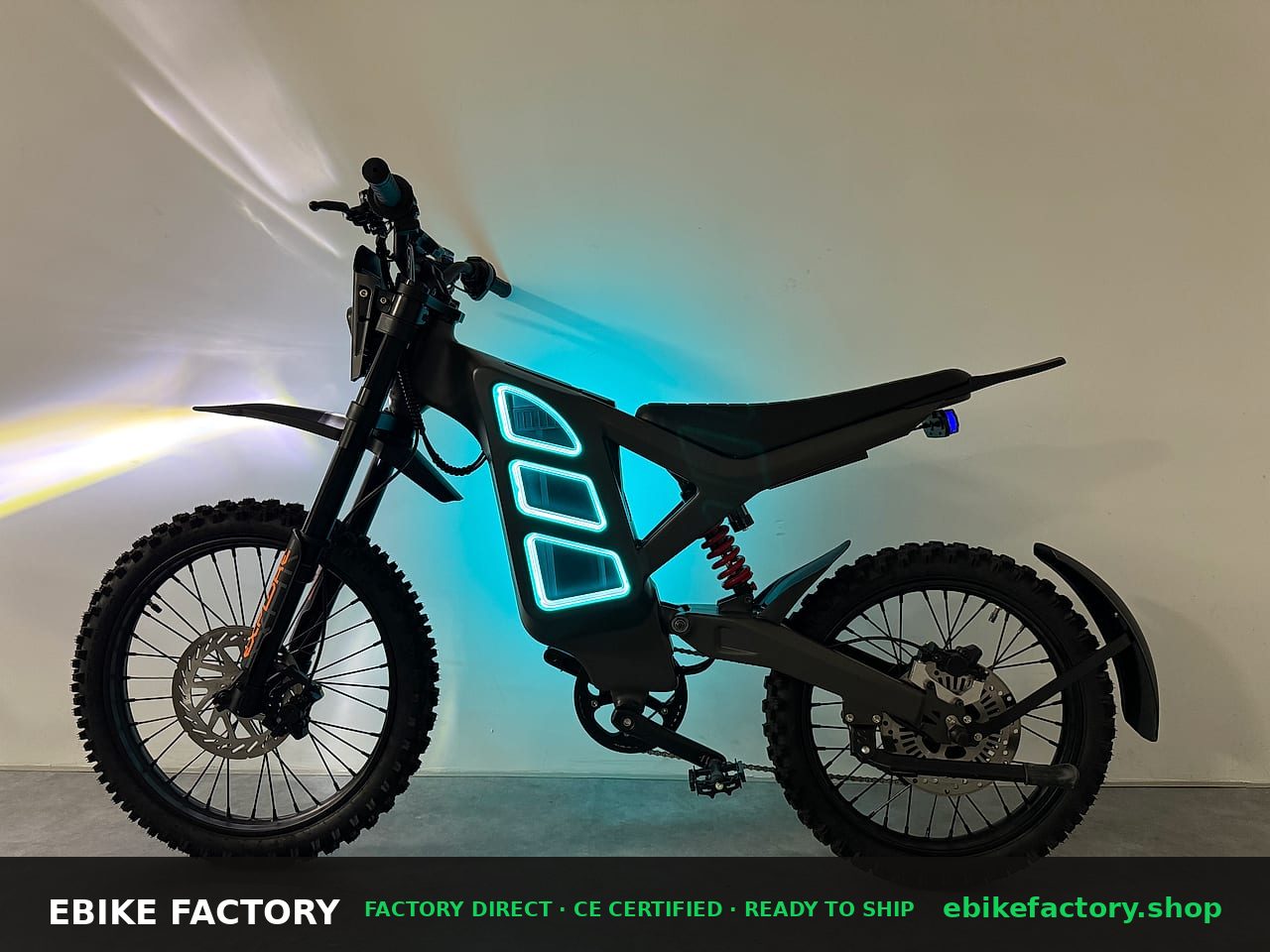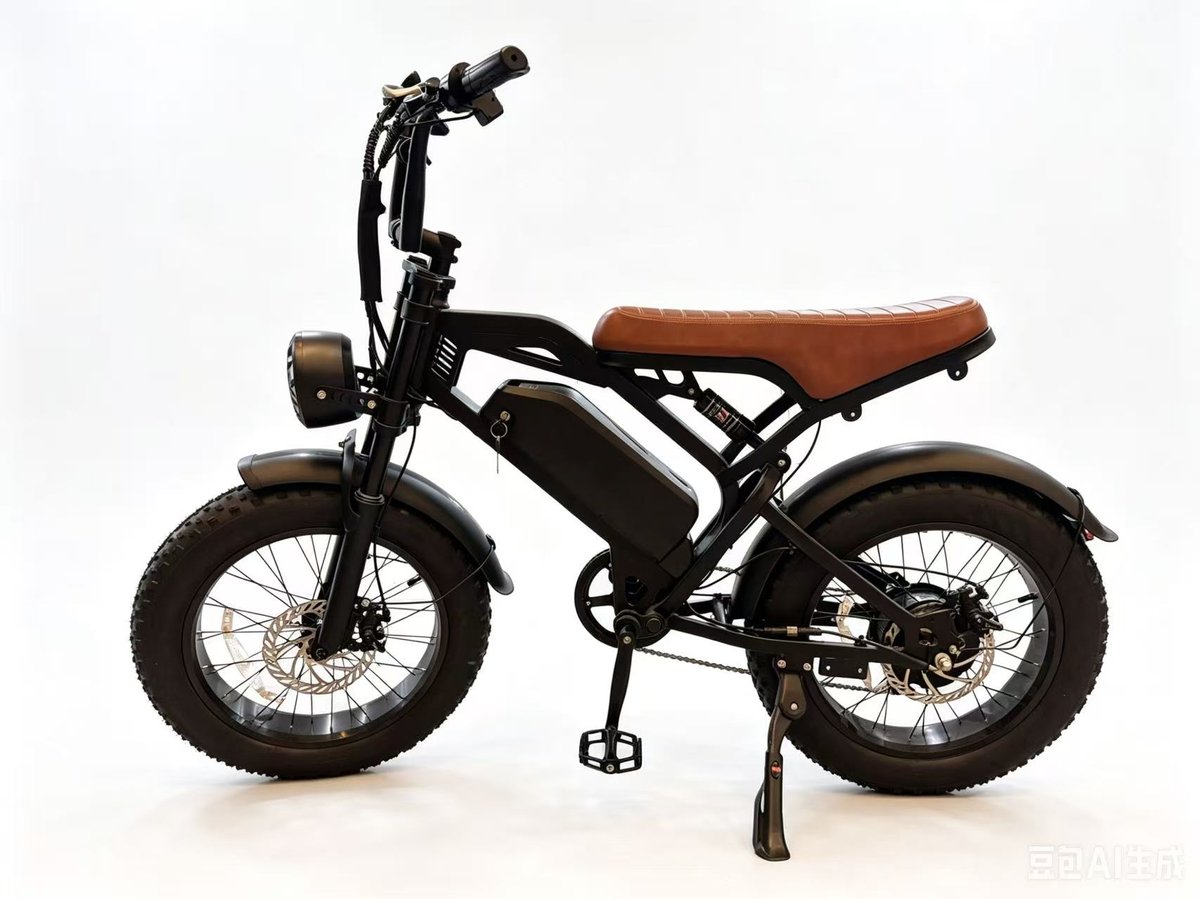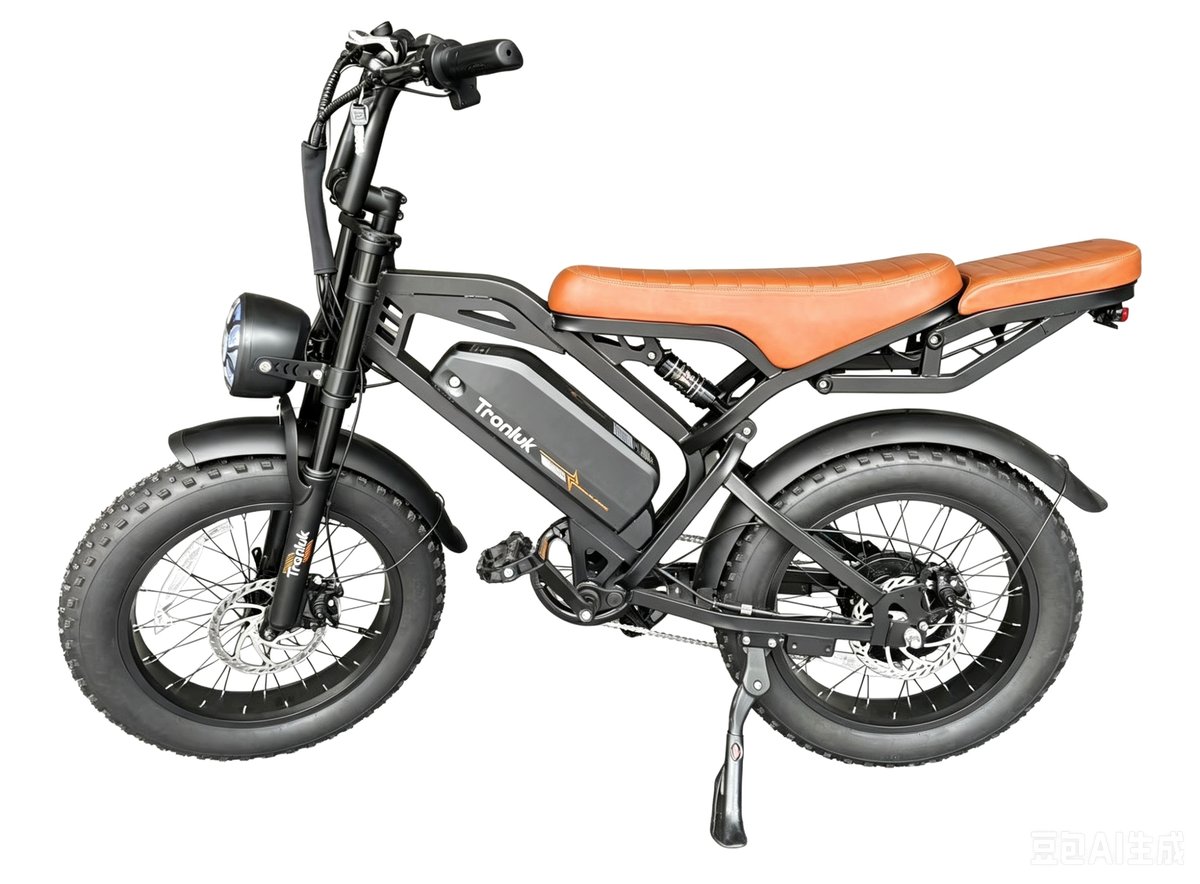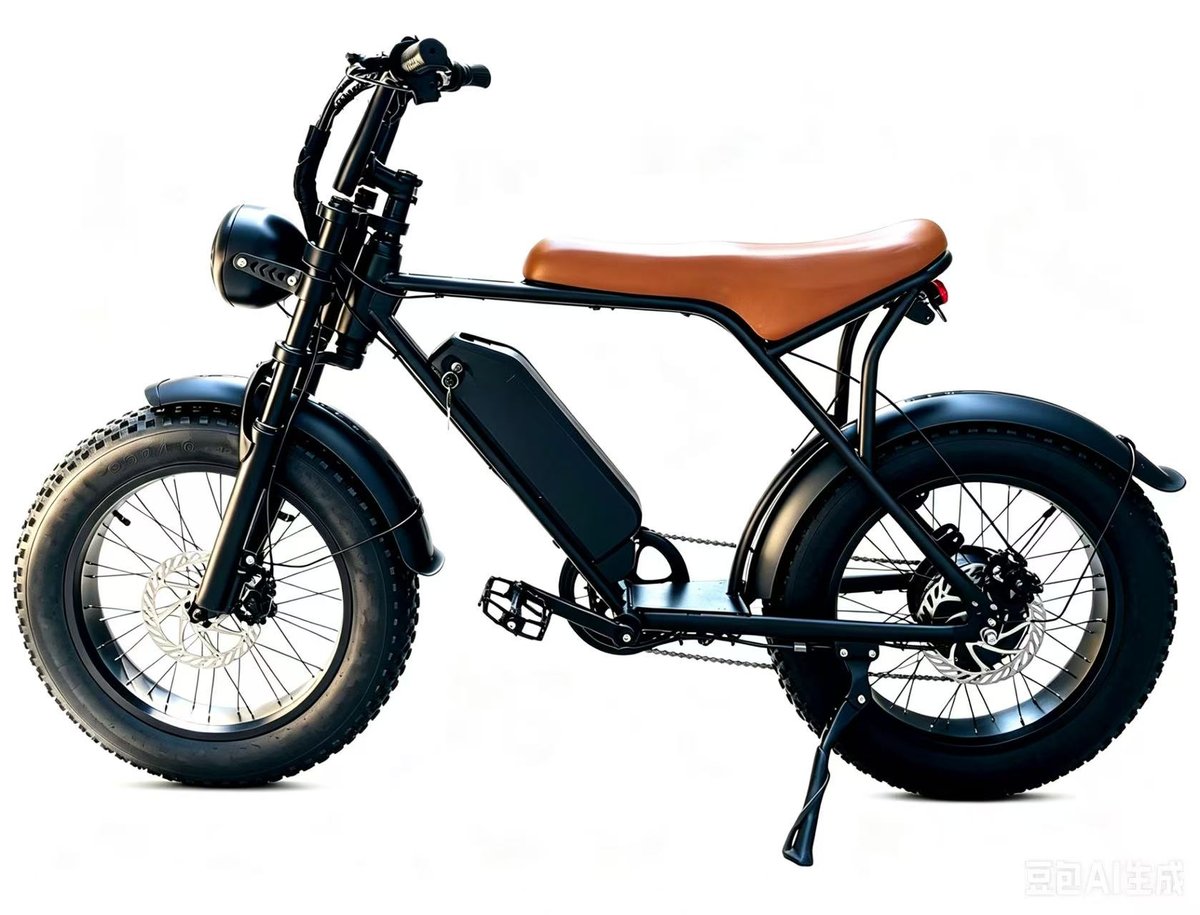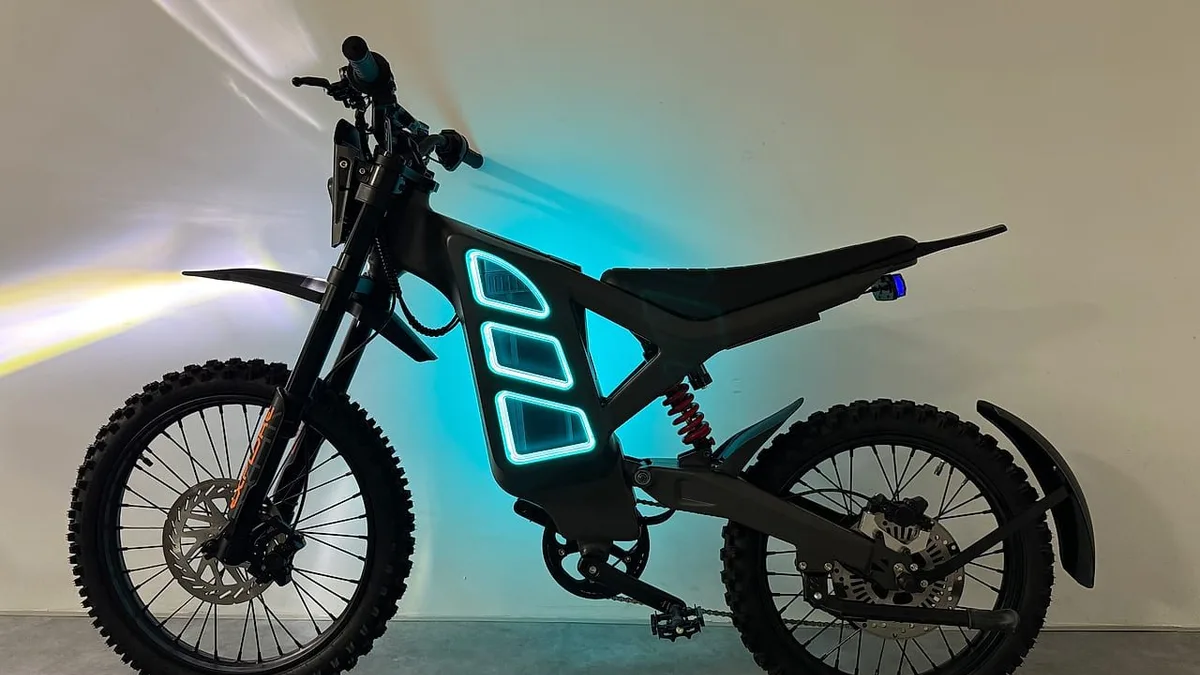
So you've decided to import all-terrain e-bikes for your market — maybe you're a distributor in the CIS, a retail chain in South America, or an e-bike brand in Europe looking for a reliable OEM. The decision feels huge, and it is. But it's also a process, and if you follow the right checkpoints, you won't get burned. This walkthrough covers the whole journey from spec sheet to container arrival, with honest checkpoints at each stage.
## Start with the spec sheet — but read between the lines
Your first conversation with any factory should revolve around a detailed spec sheet. Don't settle for a one-page PDF with vague terms like "500W motor" and "48V battery." Ask for specifics: motor brand and model (Bafang, Shengyi, or generic?), battery cell type (Samsung, LG, or no-name?), frame material and welding quality, and whether the controller is sine-wave or square-wave. A common mistake first-time importers make is comparing only price per unit. A $400 all-terrain e-bike with a no-name battery and a 12-magnet cadence sensor will cost you more in warranty claims than a $550 unit with a torque sensor and Samsung cells. For example, the JIUYUE GT600 20in Pro uses a 750W Bafang rear hub motor and a 48V 15Ah Samsung battery — that's the level of detail you want on every quote. Also ask for the exact MOQ per model and per color; many factories quote 50 units but then require 100 for custom colors. Typical MOQ for a real factory is 50–100 units per model, not 10.
## Sample ordering and QC — the checkpoint that saves you thousands
Never place a bulk order without a pre-production sample. Order one or two units, pay the sample fee (usually $50–100 above unit cost plus express shipping), and test them yourself. Ride it on gravel, mud, and steep inclines — that's what all-terrain e-bikes are for. Check the welds, the battery mount, the display firmware, and whether the brakes squeal. Then ask for a third-party inspection (SGS, TÜV, or a local QC agent) on the production run. A common buyer question on Reddit and Quora is: "Do I really need UL certification to sell in the US?" For the US market, UL 2849 is increasingly required by retailers and insurers, even if not universally mandated by law. For Europe, you need EN 15194 (EPAC) and CE marking. For the CIS, EAC certification is mandatory. Budget $1,500–3,000 for testing and certification per model — it's non-negotiable if you want to sell through retail chains. Also, ask the factory for a QC checklist: motor run-in test, battery capacity test, water resistance (IP rating), and brake alignment. If they can't provide one, walk away.
## Payment terms and shipping — where first-timers lose money
Standard payment terms are 30% deposit, 70% before shipment. That's normal. But for a first order, negotiate a 20% deposit and 80% against a copy of the bill of lading — this gives you leverage if the QC report shows issues. Never pay 100% upfront, no matter how good the price. For shipping, a 20ft container holds about 80–100 units of 20-inch all-terrain e-bikes (depending on packaging), while a 40ft high-cube holds 180–220 units. LCL (less than container load) is possible but risky for e-bikes because of battery regulations — most freight forwarders require UN38.3 test reports and MSDS for the battery. Shipping from China to Europe takes 30–40 days port-to-port; to South America, 35–50 days; to Africa, 30–45 days depending on the port. Add 2–3 weeks for customs clearance and inland delivery. Common duty rates: EU 6–14% depending on HS code (8711.60 for e-bikes), US 3.7–11% plus Section 301 tariffs (25% for Chinese e-bikes), and Brazil 20–35%. Always confirm the HS code with your customs broker before ordering.
## Accessories, spare parts, and after-sales — the hidden cost
A common LinkedIn procurement discussion topic: "What spare parts should I order with my first container?" The answer: at least 5% of the order value in spare parts — controllers, displays, chargers, brake pads, and spare batteries. For all-terrain e-bikes, the most failure-prone parts are the controller and the battery. Order 2–3 spare controllers per 50 units, and 1–2 spare batteries per 20 units. Also ask the factory for a wiring diagram and a troubleshooting guide in English (or your local language). If they can't provide that, your after-sales will be a nightmare. Another model worth considering for spare parts commonality is the JIUYUE X5 26in — it shares the same controller platform as the GT600 20in Pro, which simplifies your inventory. Finally, confirm the warranty terms: frame 2 years, motor 1 year, battery 6–12 months. Get it in writing.
## Closing takeaway
Importing all-terrain e-bikes for the first time is not about finding the cheapest factory — it's about finding a factory that will hold your hand through the checkpoints. Start with a detailed spec sheet, order a sample, inspect before shipping, negotiate payment terms that protect you, and budget for certification and spare parts. Do that, and your first container will be a learning experience, not a loss.