Launching or expanding a private-label e-bike line starts with one hard truth: the factory you choose for bicycle wholesale online will shape your brand more than any logo or ad campaign. I have seen distributors in the CIS and Middle East lose a full season because they picked a supplier who could not handle a simple frame decal change without pushing lead times from 45 to 90 days. This playbook walks through the practical steps — branding, spec changes, packaging, certification, and lead times — so you can avoid that fate.
## Branding and spec changes: what a real factory can and cannot do
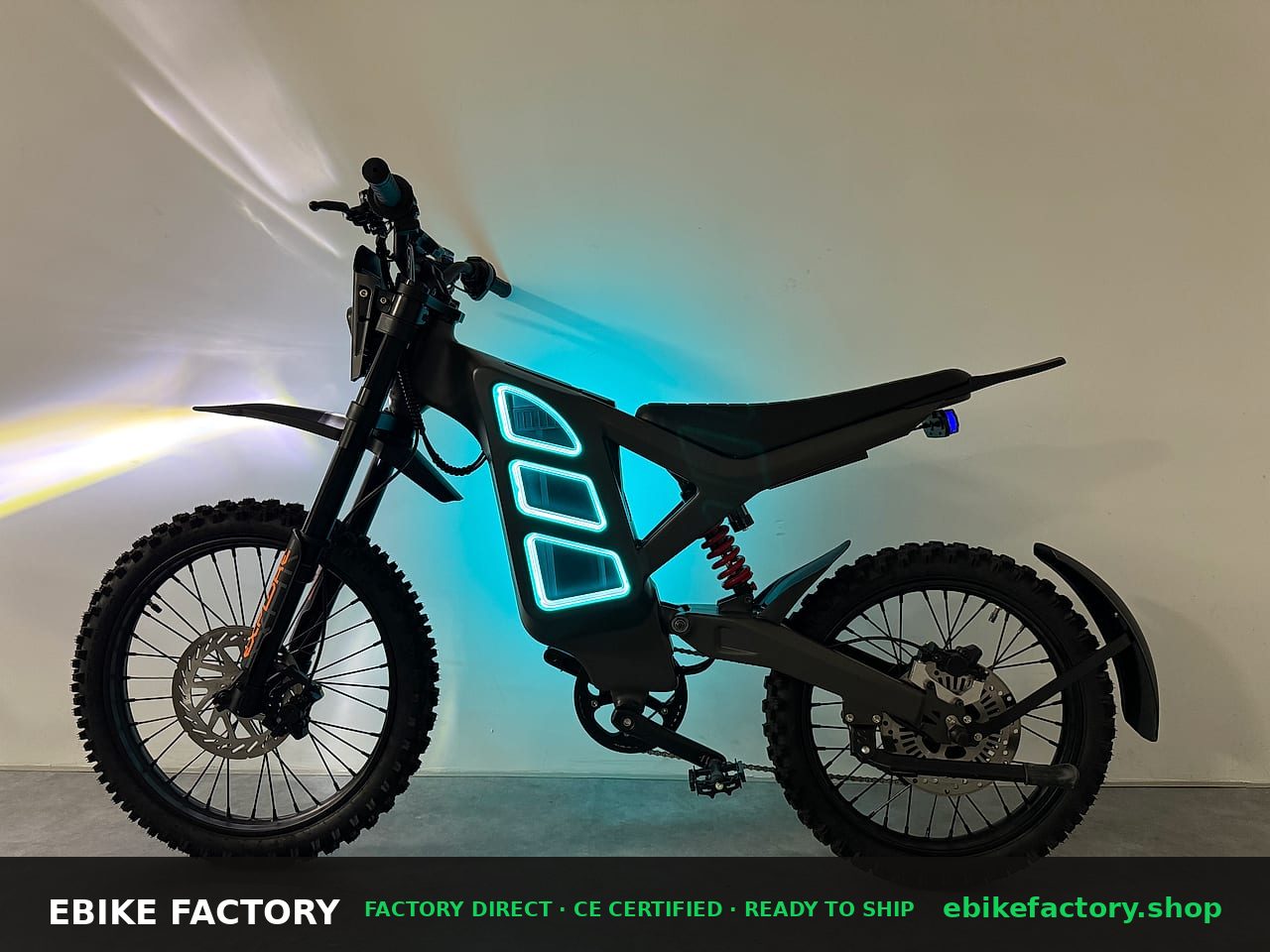
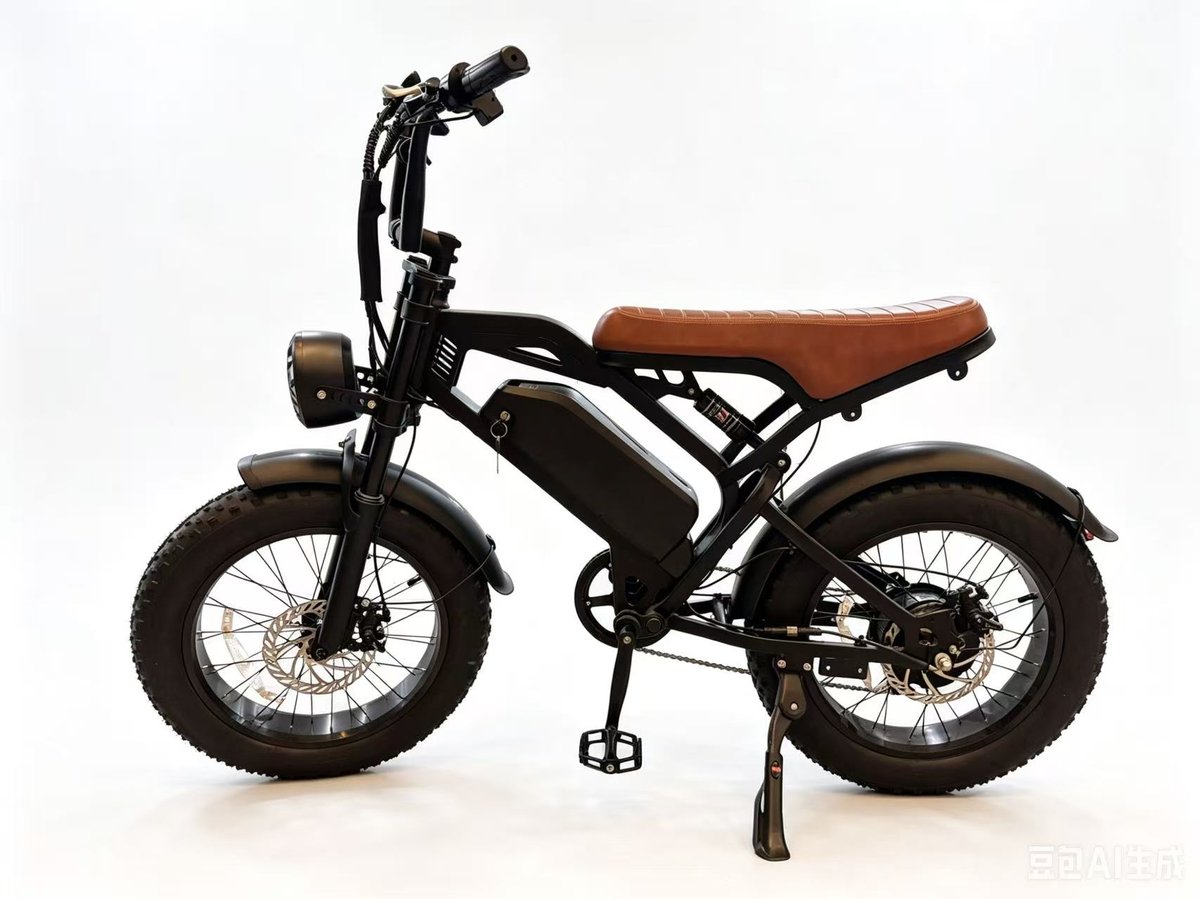
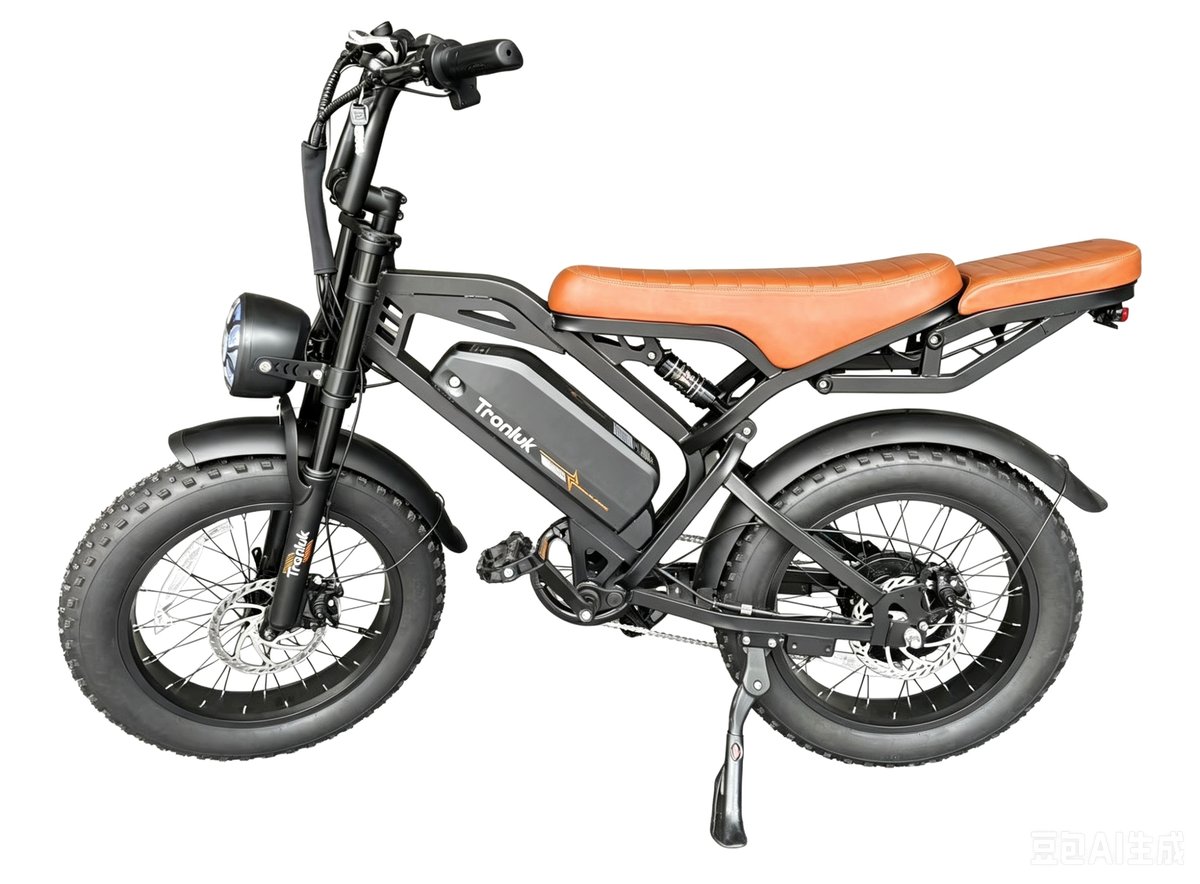
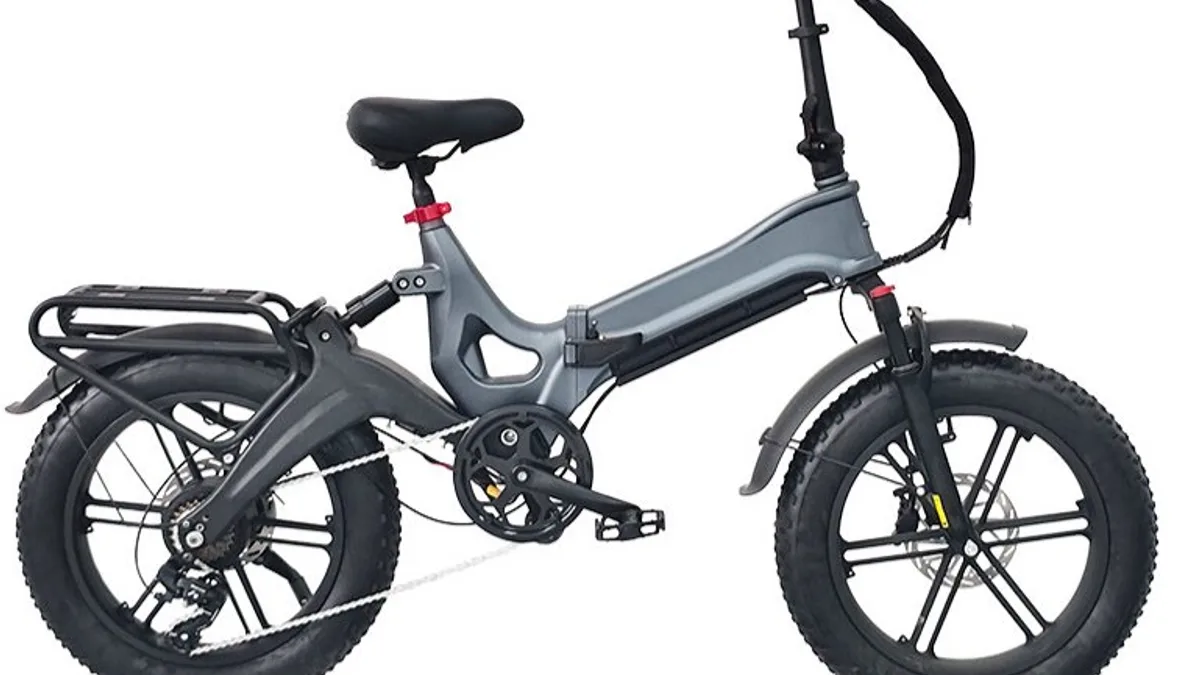
Start with the frame. Most private-label programs begin with an existing open-mold frame, and your first decision is whether to keep the geometry or modify it. A common request from European importers is a step-through city frame with a 48V 500W rear hub motor and a 14Ah battery hidden in the downtube. That is a standard configuration for us, but if you want a different battery cell brand or a torque sensor instead of a cadence sensor, expect a tooling and validation fee plus 15–25 extra days. For a proven platform, consider the JIUYUE GT600 20in Pro — a 20-inch fat-tire model that many brands use as their entry-level private-label SKU because the frame, motor mount, and battery tray are already validated. You can change decals, controller firmware limits, and even the display brand without touching the mold. What you should not do is ask for a new frame shape on a 50-unit order; real factories will either refuse or quote a price that kills your margin.
## The questions buyers actually ask before signing
Two questions come up in almost every procurement thread on LinkedIn and Reddit (r/ebikes, r/ebikebuilders). The first: “What MOQ should I expect from a real factory?” For open-mold private label, 50–100 units per model per color is realistic; for a custom frame or a new battery pack, 300–500 units is normal. The second: “Do I really need UL certification to sell in the US?” If you sell into the US market, UL 2849 for the electrical system and UL 2271 for the battery are increasingly required by retailers and insurers, even where not yet mandated by federal law. For Europe, EN 15194 (EPAC) is the baseline, and batteries need UN38.3 for transport plus IEC 62133 for cell safety. A factory that already holds these certificates for its platform saves you months. Ask for the certificate numbers and verify them — not just a PDF with a logo.
## Packaging, accessories, and the details that decide reorder rates
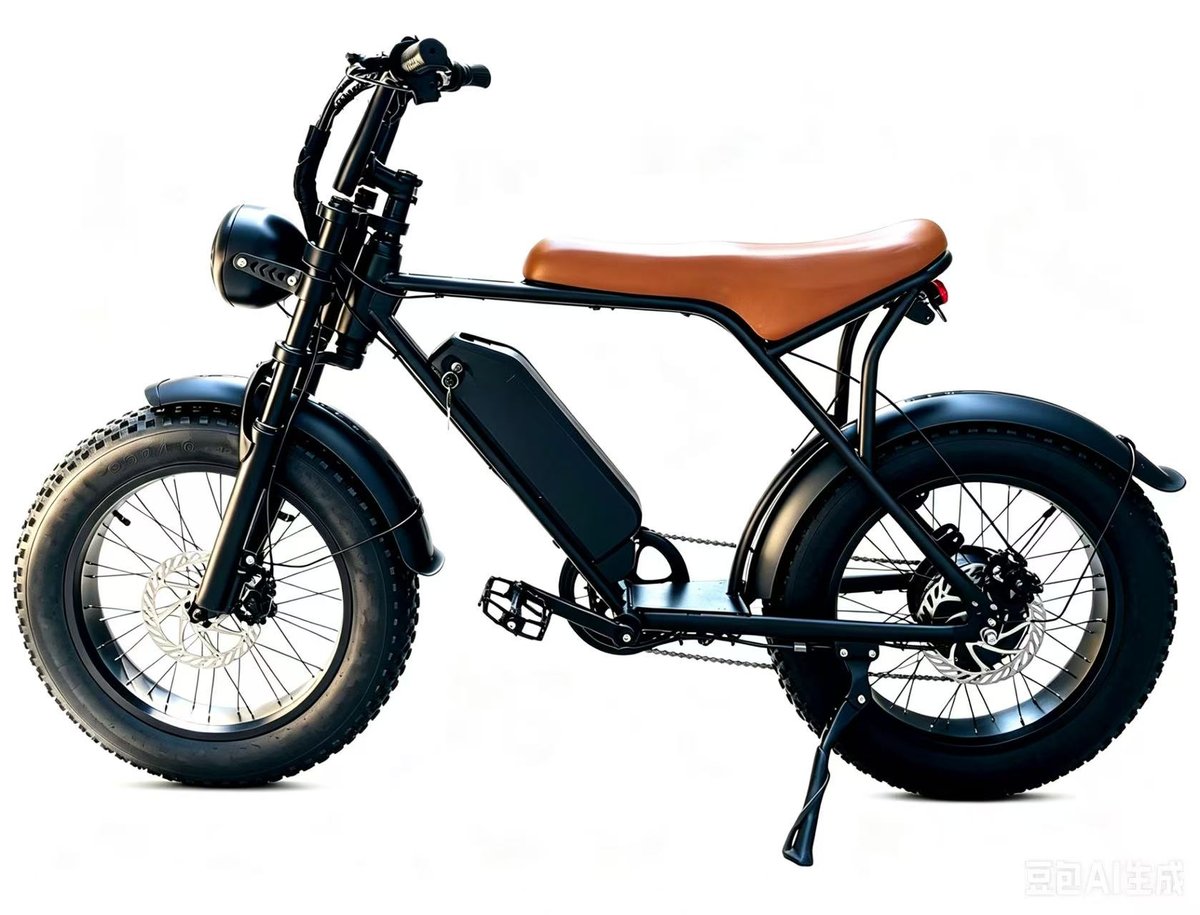
Private label is won or lost in the unboxing. A retail chain in South America will reject a container if the carton print is off-register or the manual is missing the local language. Budget for custom cartons (typically 1.5–3 USD per unit at 500 units), a branded manual, and a foam layout that survives a 1.2-meter drop test. Accessories matter too: a spare charger, a rear rack, and a second battery option are the three most requested add-ons. If your platform uses a 48V 13Ah pack, offer a 48V 17.5Ah upgrade for commuters — same tray, higher margin. For cargo and utility lines, the JIUYUE X7 26in is a good base: the frame accepts a front rack and a larger rear battery, and the 26-inch wheels handle rough roads in Africa and the Middle East better than 20-inch fat tires. Keep accessory SKUs simple; every extra part is a stock-keeping headache for your distributor.
## Lead times, duties, and shipping regions: plan in containers, not units
A realistic timeline for a private-label run is 30–45 days for production after deposit and artwork approval, plus 25–35 days ocean freight to Europe or the Middle East, and 35–50 days to South America or Africa. That means your first container should be ordered 3–4 months before you want stock. A 40HQ container holds roughly 120–150 e-bikes depending on model and packing; a 20GP holds about 55–70. On duties, the EU anti-dumping duties on Chinese e-bikes remain a major factor — often 62.1% or higher depending on the exporter — so confirm the correct HS code and duty rate with your freight forwarder before you price the line. For the CIS, EAEU certification (EAC) is required, and for the Middle East, SASO or ESMA depending on the country. Build these costs into your landed price from day one.
## Closing takeaway
Treat your private-label e-bike program like a product launch, not a purchase order. Lock the platform, verify the certificates, budget for packaging, and order your first container early. If you are sourcing bicycle wholesale online, ask the factory for a sample with your decals and manual before you sign — the sample will tell you more about lead-time discipline than any catalog.