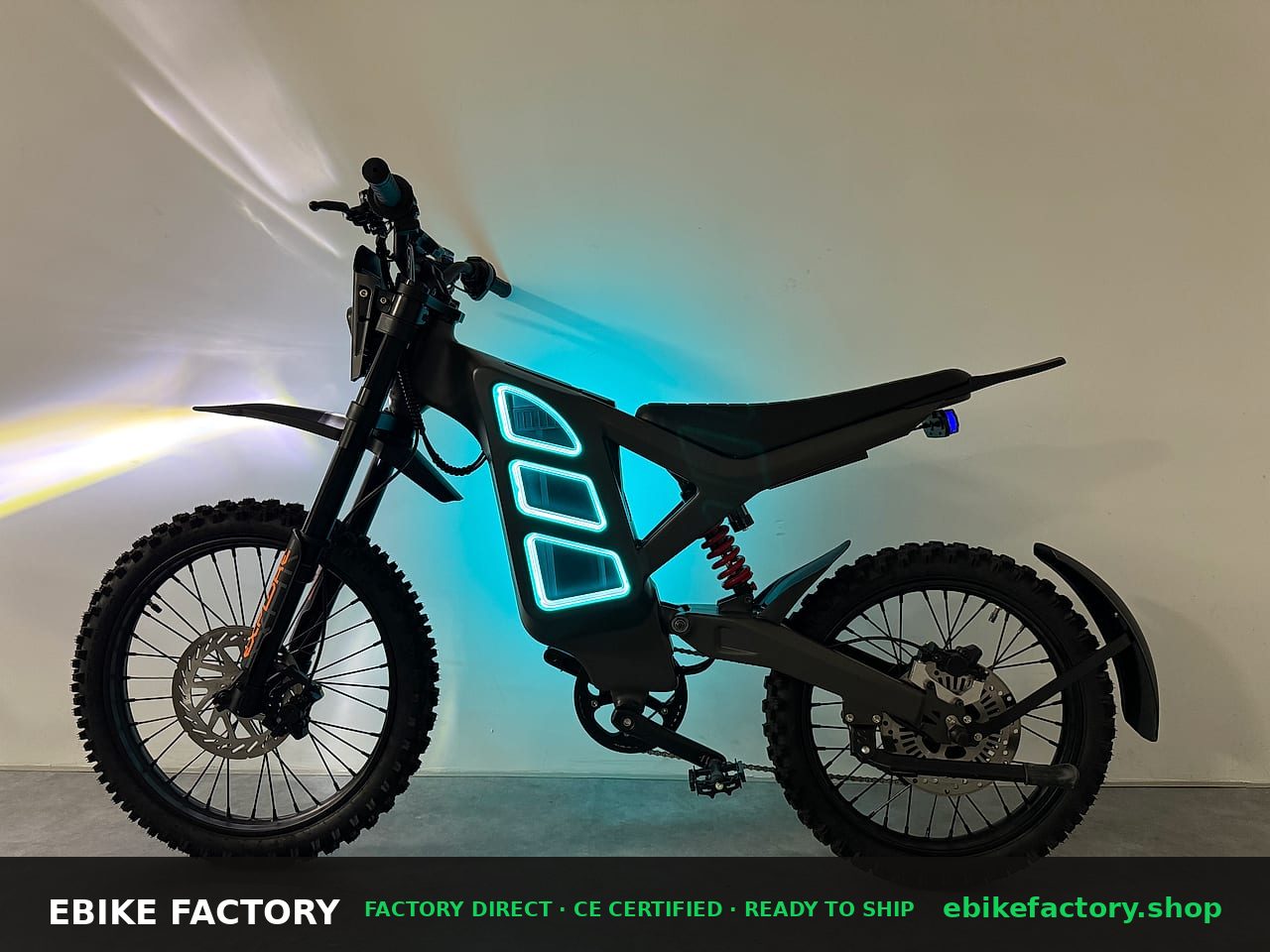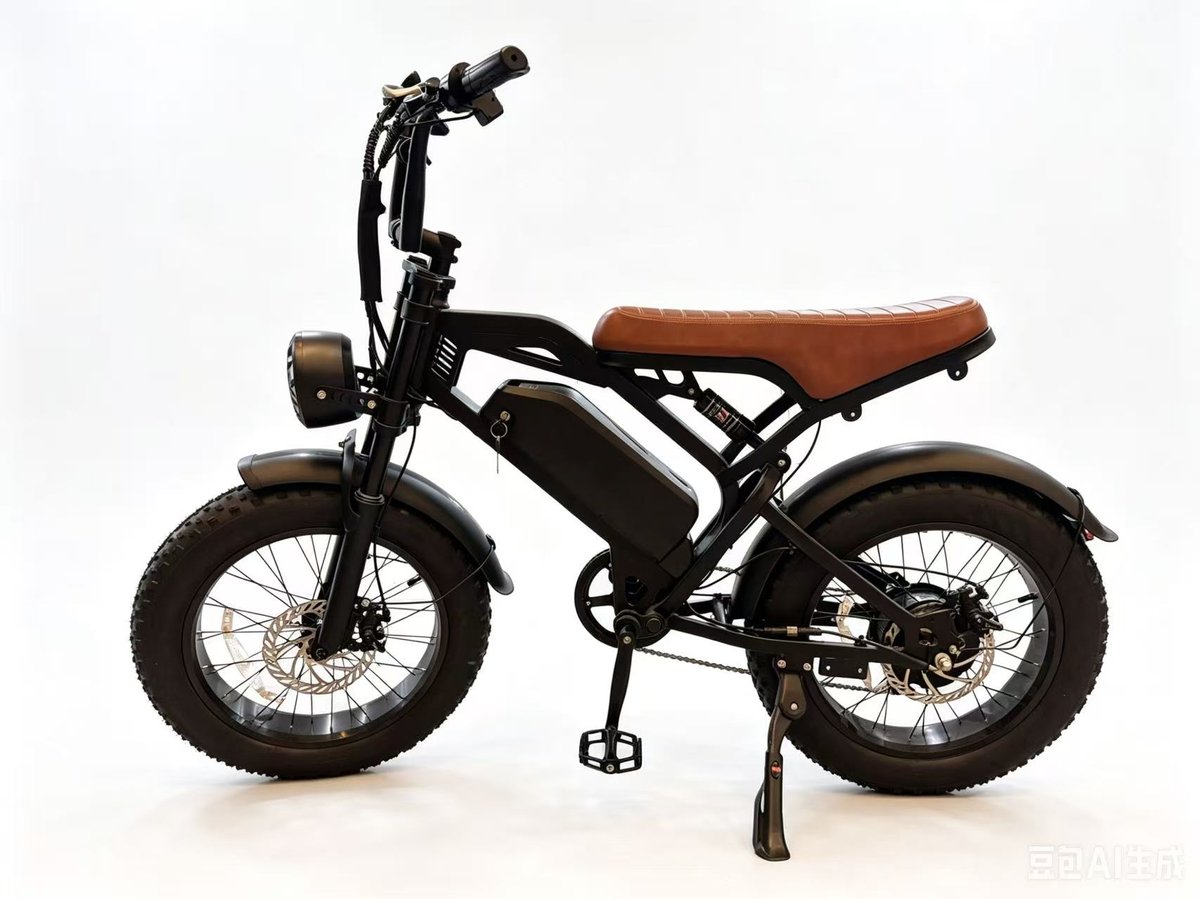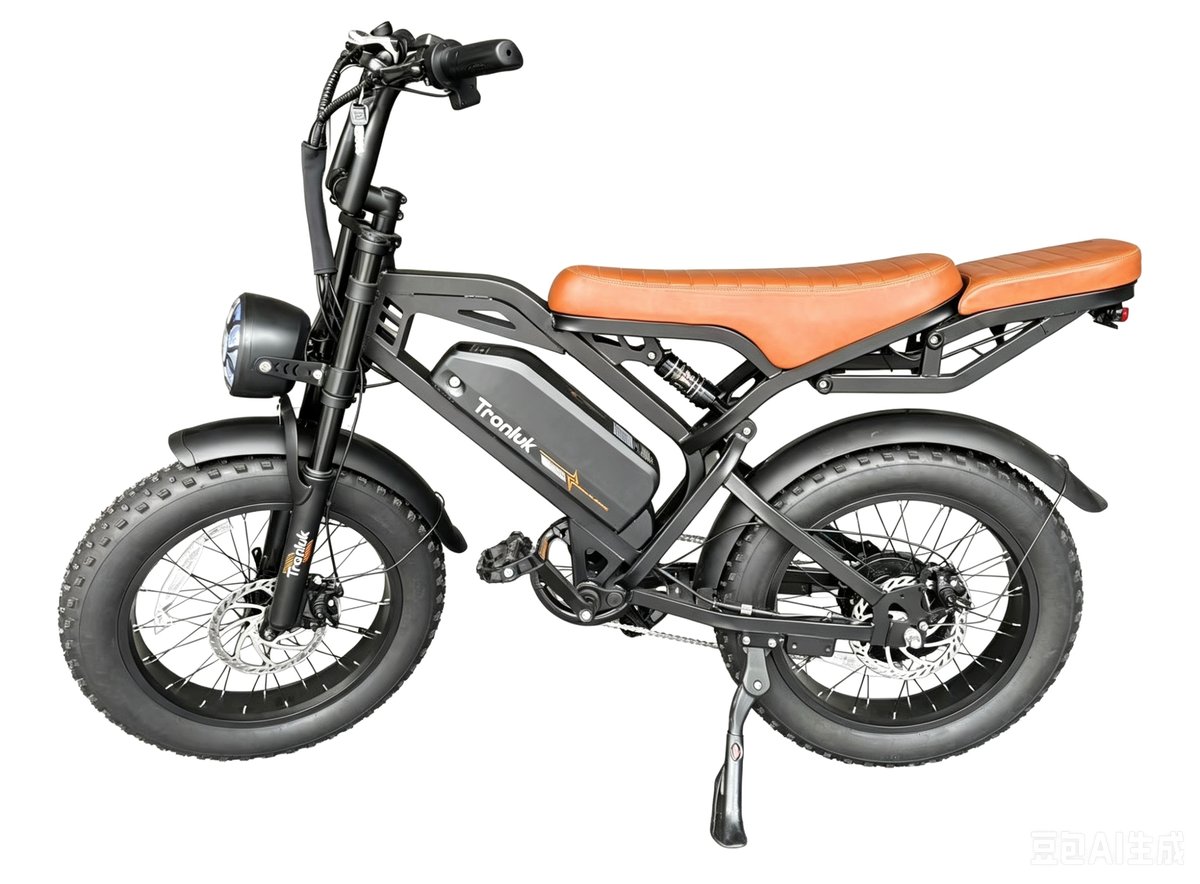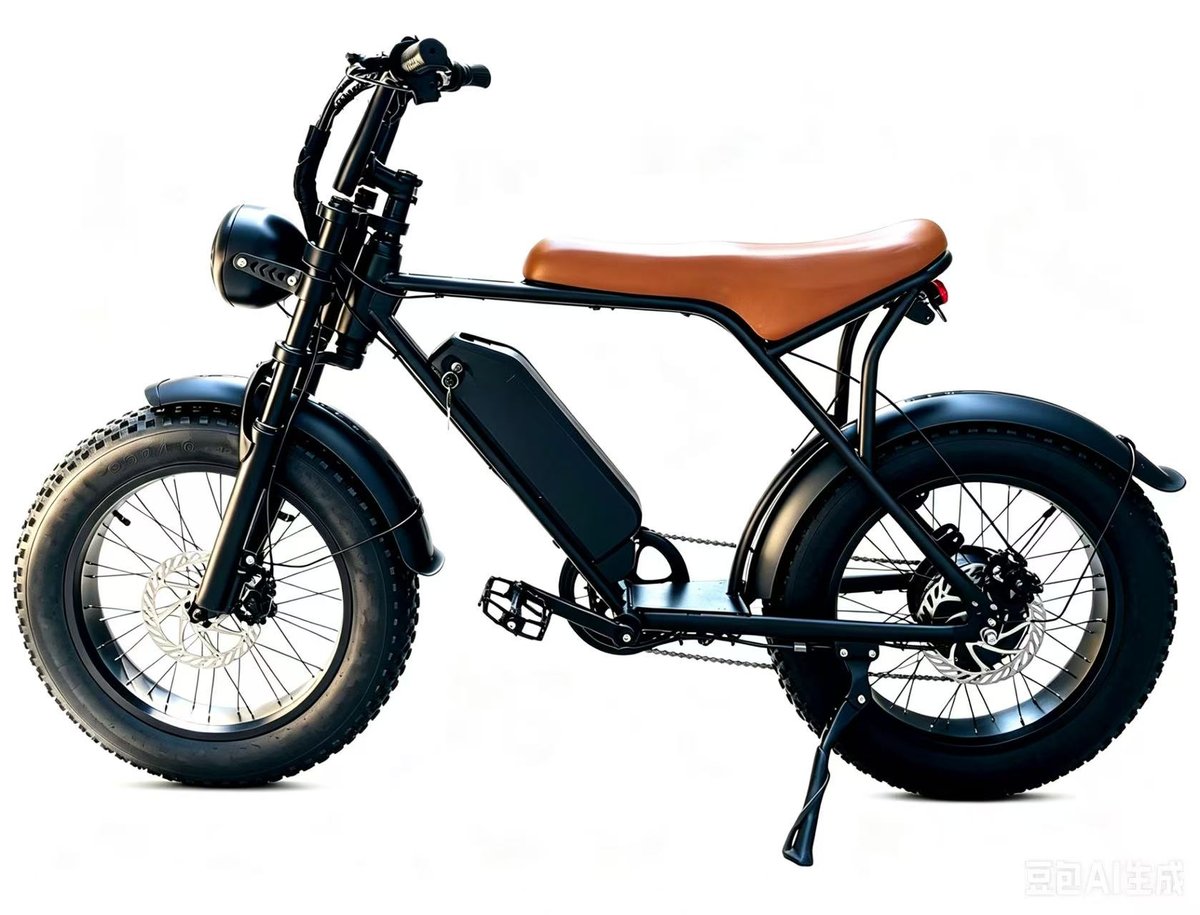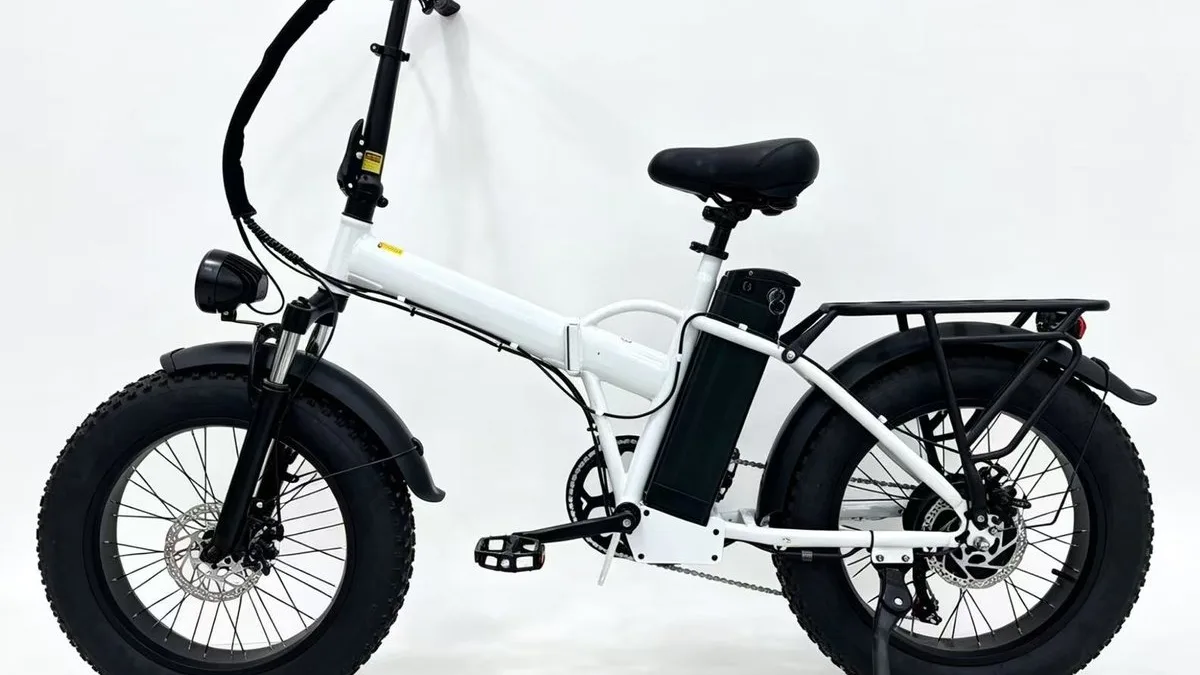
When you place a bulk order with e-bike manufacturers, the spec sheet is only half the story. The other half is the pile of certificates, test reports and customs codes that decide whether your container clears port or sits in a bonded warehouse burning demurrage. I have seen a 40HQ of 500 units held for three weeks because the EN15194 report covered a different motor controller than the one actually shipped. That is the reality of sourcing at volume — compliance is not paperwork, it is the product. This deep-dive walks through the main buying regions and what each one demands before you wire a deposit.
## EU and UK: CE, EN15194 and the 250W line
The first question every European distributor asks is whether the bike is a pedal-assist cycle or a moped. Under EN15194, a compliant e-bike must cut motor assistance at 25 km/h and cap continuous rated power at 250W. Anything above that — a 500W or 750W unit — is type-approved as an L1e-B moped, which means a different homologation route, insurance and a helmet law for the rider. For a bulk order, that distinction changes your entire product mix. If you are importing a model like the JIUYUE GT600 20in Pro, confirm the factory can supply the 250W variant with a matching EN15194 test report and a CE Declaration of Conformity that names your brand as the importer. The report must match the exact motor, battery and controller combination — a generic certificate covering a different BOM is the single most common reason EU customs rejects a shipment. UKCA marking still runs in parallel for Great Britain, and while the technical requirements mirror EN15194, the label and the responsible person address must be UK-based. Budget for a 4–6 week lead time on the test report alone if the factory does not already hold one for your configuration.
## US: UL 2849, CPSC and the liability question
"Do I really need UL certification to sell in the US?" — yes, if you want to sell through any serious retail chain, and increasingly if you want insurance. UL 2849 covers the electrical system of e-bikes, and UL 2271 covers the battery pack. Amazon, Walmart and most brick-and-mortar chains now require a UL 2849 listing or an equivalent NRTL report before they will onboard a SKU. CPSC rules add the 20 mph (32 km/h) assisted-speed limit for consumer e-bikes and mandatory labeling. The trap for importers is that a UL 2271 battery certificate alone does not satisfy UL 2849 — the whole system, including the charger and wiring harness, must be evaluated. Ask the factory for the NRTL file number, not a PDF screenshot. If they cannot produce it, factor in $8,000–$15,000 and 8–12 weeks for a lab evaluation, which can kill a first order's margin. This is where a model like the JIUYUE X5 26in Fat Tire becomes attractive for US buyers: fat-tire commuters sell well, but only if the factory already holds a system-level UL 2849 report for that exact frame and electronics package.
## GCC, Middle East, South America and Africa: duties and local rules
The regions outside the EU/US/UK/AU club are less about certification and more about customs classification and voltage. In the GCC, e-bikes generally enter under HS 8711.60, and duty rates vary — Saudi Arabia often applies 5%, while some emirates add fees that push the landed cost higher. Many Gulf importers also want a SASO or ESMA certificate of conformity, which the factory can usually arrange through a local agent for a few hundred dollars per model. South America is the duty minefield: Brazil's import duty on e-bikes can exceed 35% plus ICMS, which is why many brands assemble locally from CKD kits. Africa is fragmented — South Africa requires an NRCS letter of authority, while Nigeria and Kenya mostly care about SONCAP or PVoC pre-shipment inspection. The practical move is to ask your freight forwarder for the landed-cost calculation before you finalize the FOB price, because a 5% GCC duty and a 35% Brazil duty produce very different retail math on the same container.
## What this means for your bulk order and MOQ
"What MOQ should I expect from a real factory?" — for a standard model with existing certification, 50–100 units per color is common; for a custom frame or a new motor, expect 200–300 units and a 45–60 day production lead time after the deposit. The certification status of the model is the biggest lever on MOQ, because a factory that already holds the EN15194 or UL 2849 report for a given BOM can slot your order into an existing production run. A 40HQ container holds roughly 120–150 assembled e-bikes depending on frame size and packaging, so a 300-unit order is two to three containers. Always request the test report and the bill of materials together and cross-check the motor, controller and battery part numbers — that five-minute check has saved more importers than any contract clause.
## Closing takeaway
Compliance is not a cost you add at the end; it is a sourcing criterion you apply before you shortlist e-bike manufacturers. Pick the region first, confirm the exact certificate and HS code for that region, and only then negotiate price. A factory that can hand you a matching EN15194 or UL 2849 report on day one is worth a higher unit price than one that promises to "sort it out later" — because later is when your container is stuck at port.