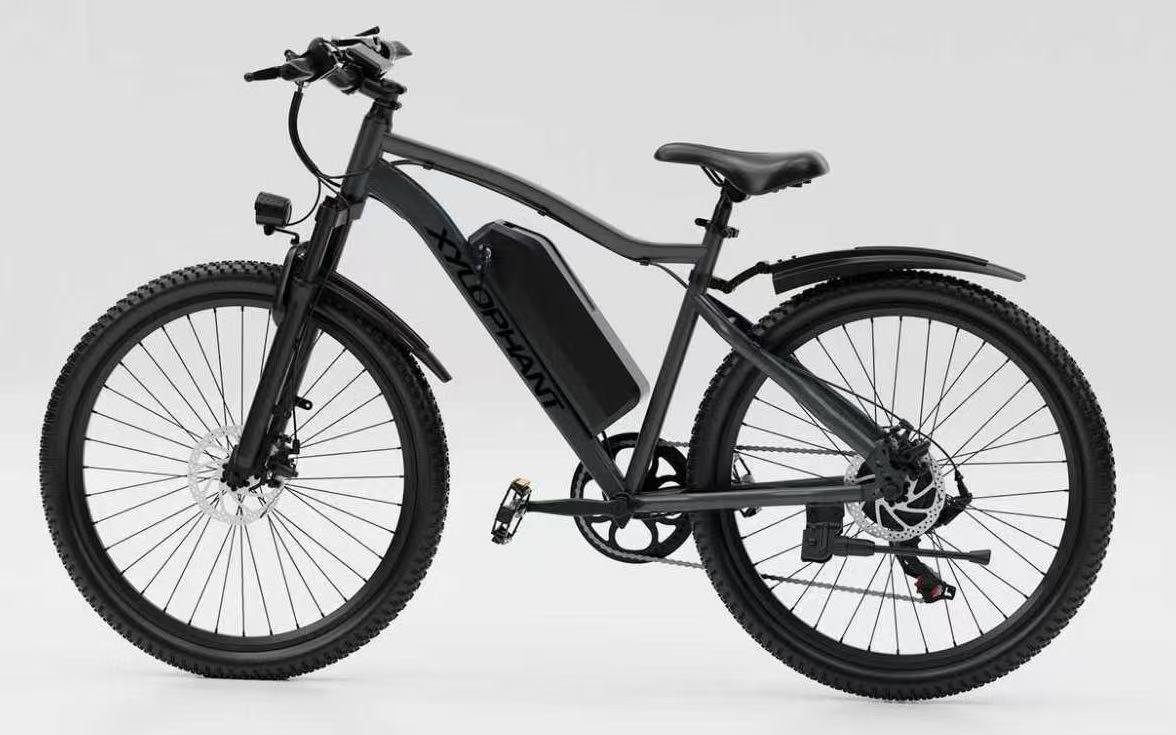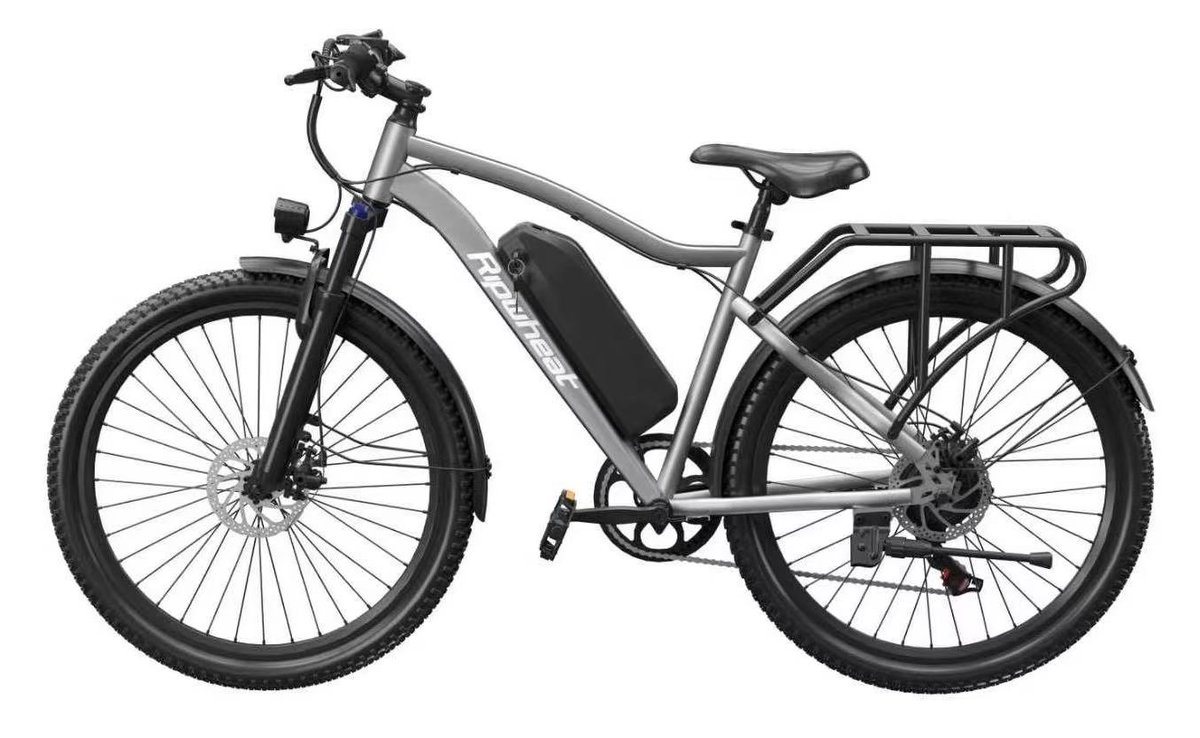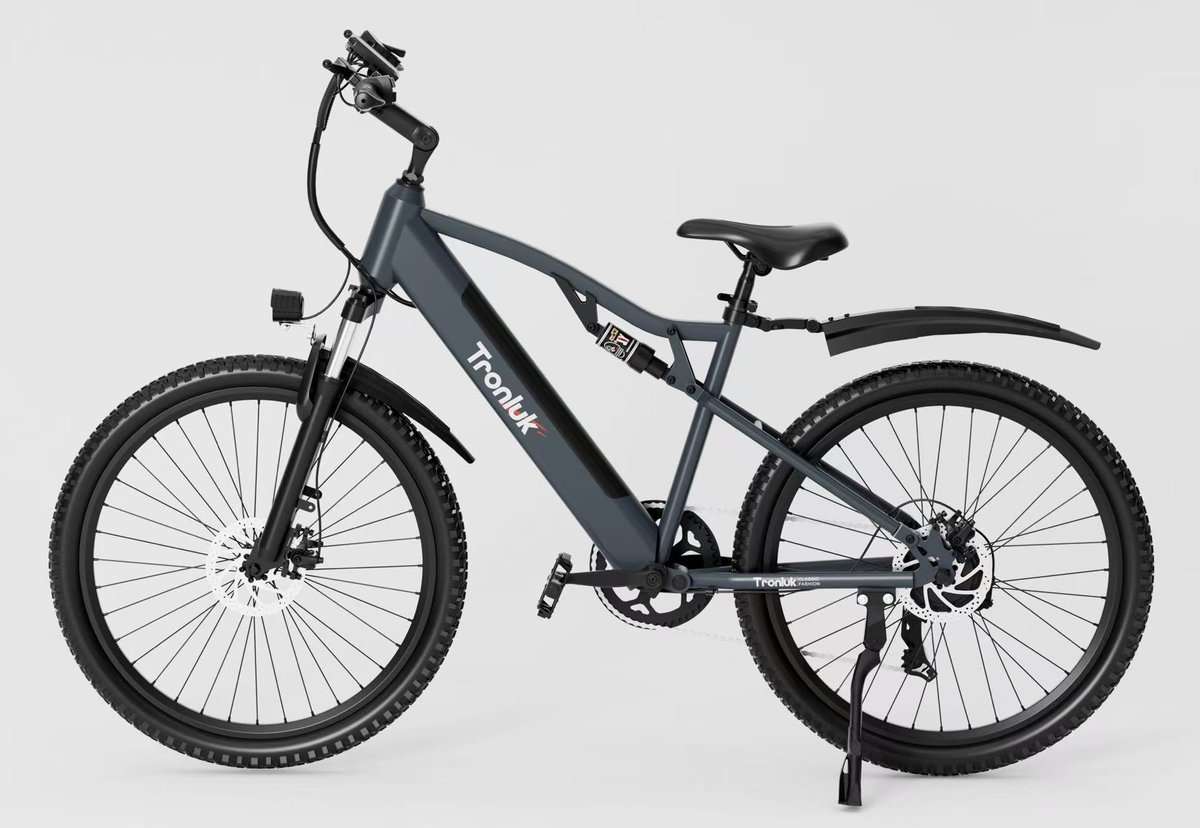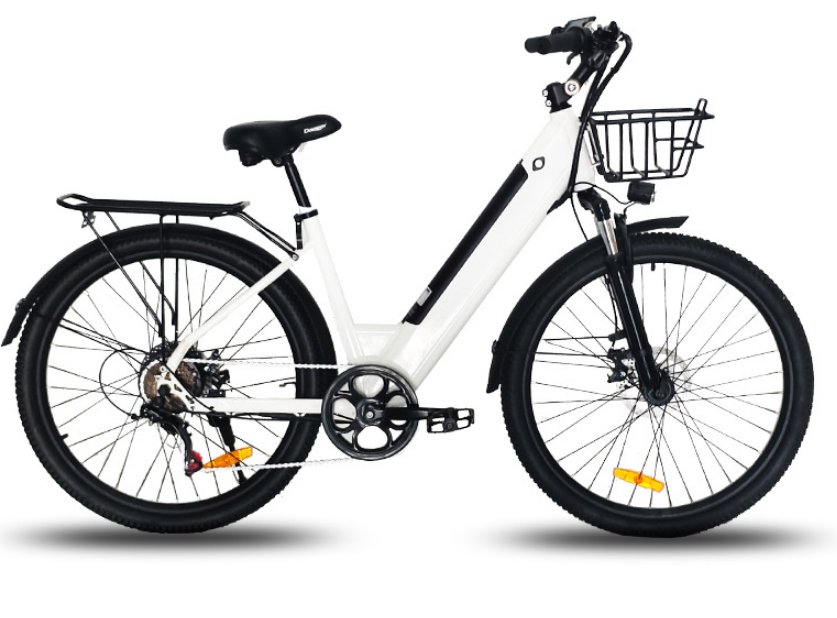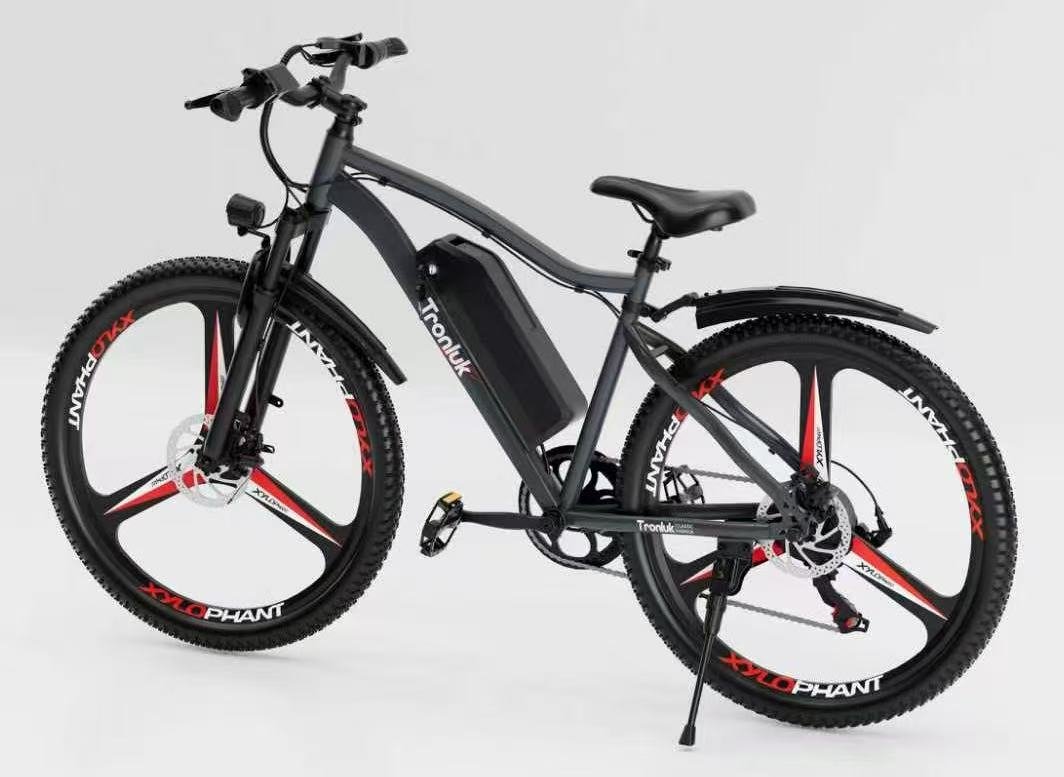
When distributors ask us to compare the JIUYUE HX100 26in One-Piece Wheels against other factory e-bikes, the conversation rarely stays on motor wattage for long. The real question is what happens six, twelve, and twenty-four months after the container lands: who pays for a dead battery, how fast a controller ships, and whether the warranty terms survive a port delay. That after-sales reality is what separates a one-time order from a repeat program.
## Warranty terms: what actually gets covered and what gets argued about
Start with the warranty document, not the spec sheet. Most Chinese e-bike factories offer 12 months on the frame and motor, 6 to 12 months on the battery, and 3 to 6 months on controllers and displays. The JIUYUE HX100 26in One-Piece Wheels typically carries a 12-month frame and motor warranty with a 12-month battery term, but the fine print matters more than the headline. Ask whether the warranty is parts-only or includes labor credit, who covers return freight, and whether water damage voids coverage. A common buyer question on Reddit and LinkedIn is: "What does an e-bike warranty actually cover in practice?" The honest answer is that most factories replace defective parts but rarely reimburse local labor, so importers should budget a small service allowance per unit. If you compare with a model like JIUYUE GT600 20in Pro, check whether the warranty terms are identical or shorter on the smaller platform, because inconsistent terms across a range create headaches for your service desk.
## Spare parts supply: the quiet reason buyers switch suppliers
A one-piece wheel design like the HX100 reduces spoke and rim failures, but it also means you cannot source a replacement wheel from a local bike shop. That makes factory parts supply critical. Ask for a parts list with pricing before you sign: motor, controller, display, battery pack, charger, brake pads, and the one-piece wheel itself. A serious factory keeps at least 1-2% of order volume in spare parts stock and can ship a replacement controller within 7-10 days by air. If a supplier cannot quote a spare battery price or lead time, treat that as a red flag. Distributors in CIS and South America often ask: "Can I get spare batteries and controllers without ordering a full container?" The answer should be yes, with a minimum spare parts order value, typically USD 300-500. Compare this with alternatives that use standard 26in spoked wheels, where local sourcing is easier but frame and motor parts still come from the factory.
## Battery lifecycle: the number that decides your repeat order
Battery failure is the single biggest after-sales cost in e-bike distribution. A 48V 13Ah pack on a 500W hub motor typically delivers 500-800 cycles to 80% capacity if treated well, which is roughly 2-3 years of daily commuting. Ask the factory for the cell brand, BMS specification, and whether the pack is potted or serviceable. The JIUYUE HX100 26in One-Piece Wheels uses a removable frame-integrated pack, which is good for service but means you must stock spare batteries locally. Buyers on r/ebikes frequently ask: "How long do e-bike batteries really last, and what replacement cost should I expect?" Plan on a replacement battery costing 25-35% of the bike's wholesale price, and negotiate a spare battery price into your first order. If the factory cannot tell you the cell manufacturer or cycle rating, the battery lifecycle risk sits entirely with you.
## Certification, duties, and import rules: the after-sales risk you inherit
After-sales risk starts at customs. For the EU, e-bikes need EN 15194 compliance and CE marking; for the US, UL 2849 is increasingly demanded by retailers and insurers. Ask whether the JIUYUE HX100 26in One-Piece Wheels ships with UL 2849 or EN 15194 documentation, and whether the battery pack has UN38.3 test reports for air freight. A common procurement question is: "Do I really need UL certification to sell in the US?" Strictly speaking, federal law does not require it, but major retailers and marketplaces do, and lacking it can leave you with unsellable stock. Duties also vary: EU anti-dumping duties on Chinese e-bikes can exceed 60% for some exporters, while many CIS and Middle East markets apply 5-15% import duty. Confirm the HS code and whether the factory has experience shipping to your region, because a misclassified shipment creates after-sales disputes you cannot win.
## What to ask before you compare models
When you line up the JIUYUE HX100 26in One-Piece Wheels against alternatives, build a simple scorecard: warranty length and exclusions, spare parts price list and lead time, battery cell brand and cycle rating, certification documents, and MOQ. A realistic MOQ for a factory-direct e-bike order is 50-100 units per model, and lead time is typically 30-45 days after deposit, plus 25-35 days sea freight to Europe or South America. If a supplier promises 15-day delivery on a new model, ask where the bikes are actually built. The factory that answers these questions with documents, not adjectives, is the one that will still be answering your emails in year three.
Pick the model whose after-sales terms you can actually service in your market, not the one with the best headline spec. Request the spare parts price list and warranty document before you request a quote, and treat battery replacement cost as part of your landed cost calculation. That is how you protect repeat orders.