When you buy bike factory direct, the biggest mistake is treating e-bikes as a single category. A 250W city commuter for Germany and a 1000W fat-tire model for the Middle East are different products with different certifications, different margins, and different after-sales profiles. This comparison-driven guide helps distributors, importers, and retail chains pick the right model type for their market by weighing concrete specs, costs, and compliance rules — not opinions.
Start with the legal ceiling in your target region, because it dictates which motor and speed class you can actually sell. In the EU, EN 15194 limits continuous motor output to 250W and assist to 25 km/h; anything above that becomes a moped or motorcycle with type approval, insurance, and a helmet law. In the US, the three-class system lets you sell 750W throttle models as Class 2, but several states and many retailers now expect UL 2849 certification for the electrical system. For CIS and Middle East markets, 500W–1000W rear-hub models dominate because enforcement is lighter and buyers want hill-climbing torque. If you are sourcing bike factory direct for multiple regions, ask the factory which controllers and speed limiters are plug-and-play so you can ship one frame platform with region-specific firmware rather than five separate SKUs.
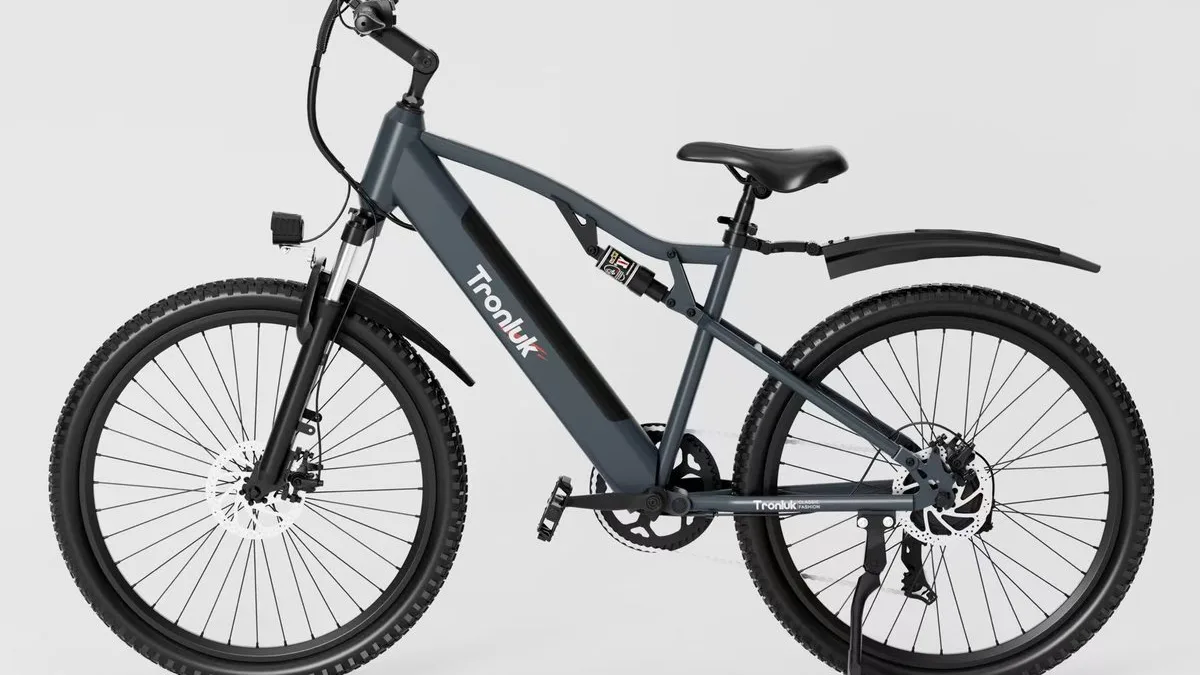
Frame and battery choices drive your landed cost more than the motor brand. A 6061 aluminum step-through frame with a semi-integrated 48V 13Ah battery is the volume workhorse for retail chains: it is light enough for last-mile delivery fleets, cheap to ship, and easy to service. A full-suspension fat-tire frame with a 48V 20Ah rear-rack battery costs roughly 30–40% more at FOB but sells at a premium in markets with poor roads. Consider the JIUYUE GT600-20 Pro as a reference point for the fat-tire category — 20-inch wheels, a 1000W rear hub, and a 48V 20Ah removable battery — because it shows how much spec you can pack into a container-friendly package. Compare that with a 700C city model like the JIUYUE C300-28: narrower tires, a 250W–500W mid-drive option, and a lighter 48V 10–14Ah battery. The city model fits about 120–140 units per 40HQ container; the fat-tire model fits roughly 80–95 because of wheel volume. That container math changes your per-unit freight by $15–$30, which matters at wholesale margins.
Buyers often ask: “What MOQ should I expect from a real factory?” For bike factory direct orders, a realistic MOQ is 50–100 units per model/color for a standard frame, and 200–300 units if you need custom paint, decals, or a modified battery mount. Lead time is typically 35–45 days after deposit for stock frames, and 60–75 days for custom tooling. Another common question is “Do I really need UL certification to sell in the US?” Strictly speaking, federal law does not require UL 2849, but major retailers and insurers increasingly do, and several states are moving toward mandates. If your channel is independent bike shops, EN 15194 plus a CE declaration may be enough for Europe; for US big-box retail, budget for UL 2849 testing on the battery and charger. Always confirm whether the factory’s certificate covers the exact battery cell and BMS combination you are buying — a certificate for a different pack is worthless at customs.
Accessories and spare parts are where comparison shopping pays off. A model with a proprietary controller and display looks clean but locks you into one supplier for replacements; a model using a standard KT or Lishui controller and a Bafang or Shengyi motor lets you source spares locally. Ask the factory for the charger spec (42V 2A vs 54.6V 3A), the battery connector type, and whether the rear rack is rated for a child seat or cargo. For fleet buyers, a 48V 20Ah pack with Samsung or LG cells and a 3A charger cuts downtime compared with generic cells. Also compare warranty terms: 12 months on the frame and 6–12 months on the battery is common, but some factories exclude water damage entirely — a real issue for Middle East and South America rainy seasons.
Finally, weigh the sourcing channel itself. A trading company may offer lower MOQ and faster samples, but a true bike factory direct relationship gives you engineering access, consistent battery cells, and better pricing at 200+ units. Ask for the factory’s export history by region, their container loading photos, and a video of the production line. If they cannot show you the battery pack assembly area, assume they are assembling from kits. For a distributor, the safest comparison is to request two quotes: one for a 250W EN 15194 city model and one for a 1000W fat-tire model, both with UL 2849 or CE documentation, and compare landed cost per container rather than FOB price alone. That single exercise will tell you more about your market fit than any brochure.