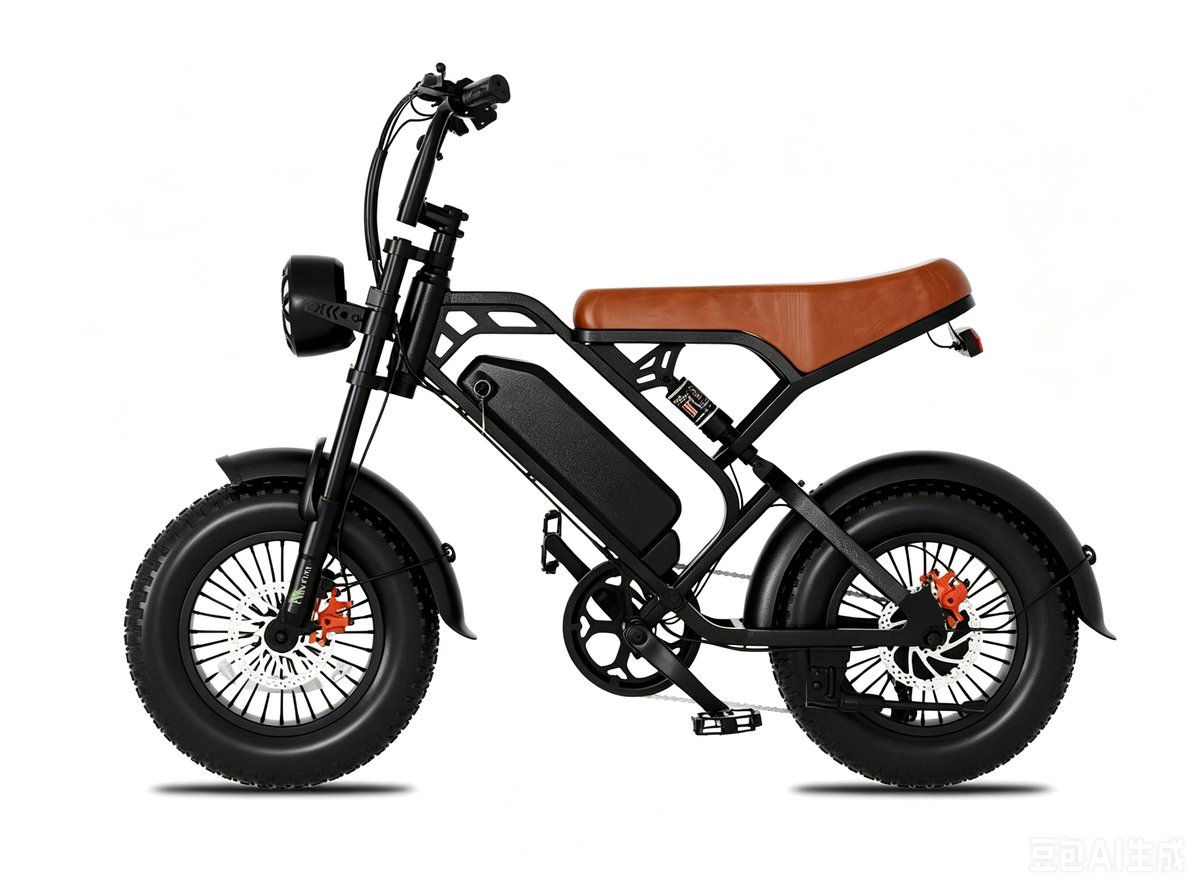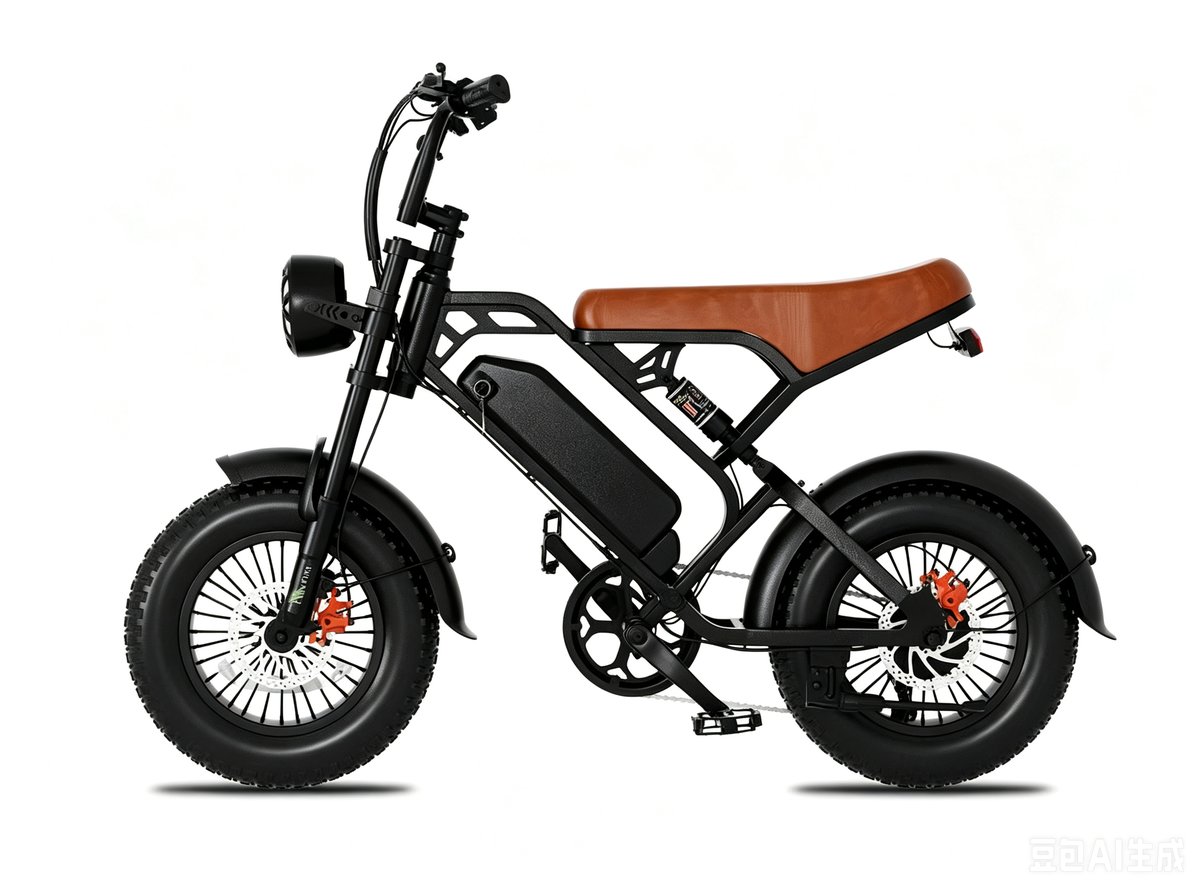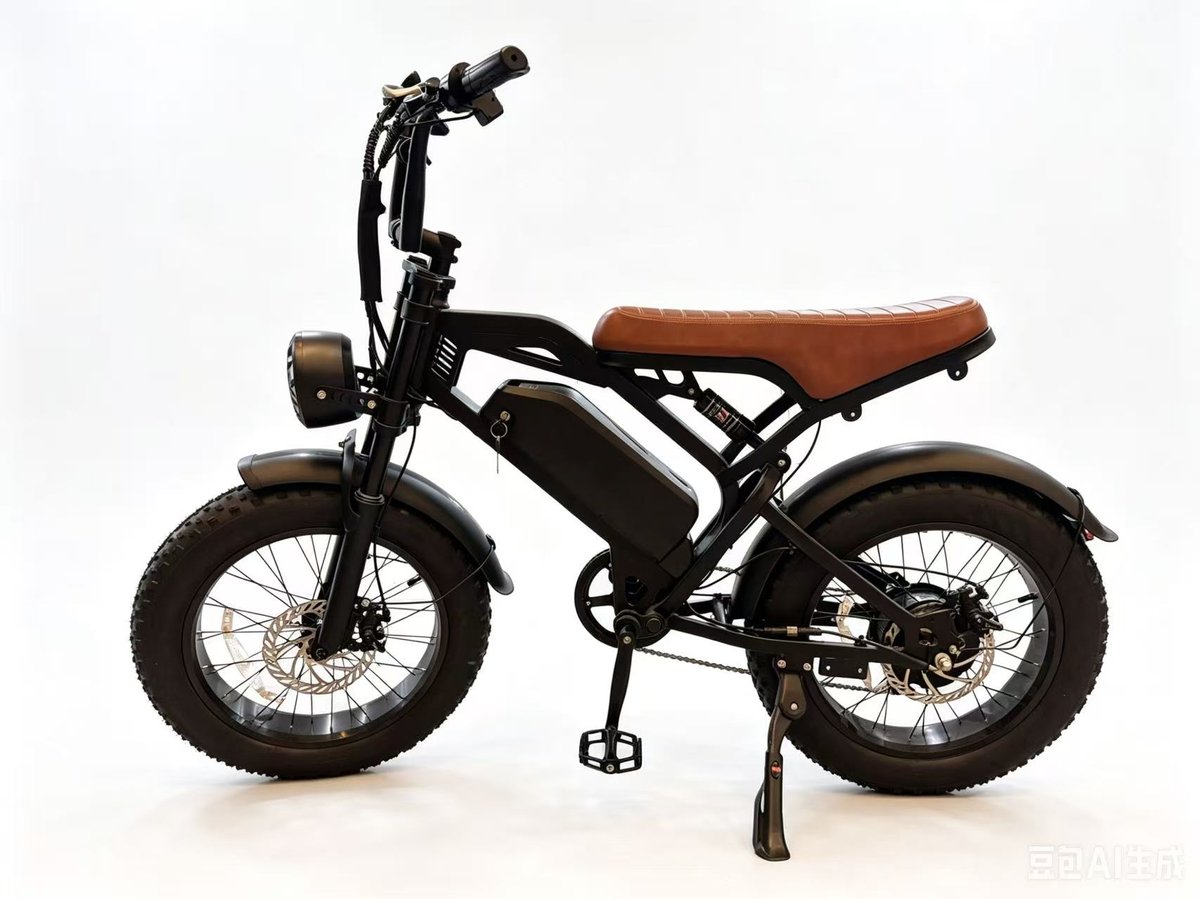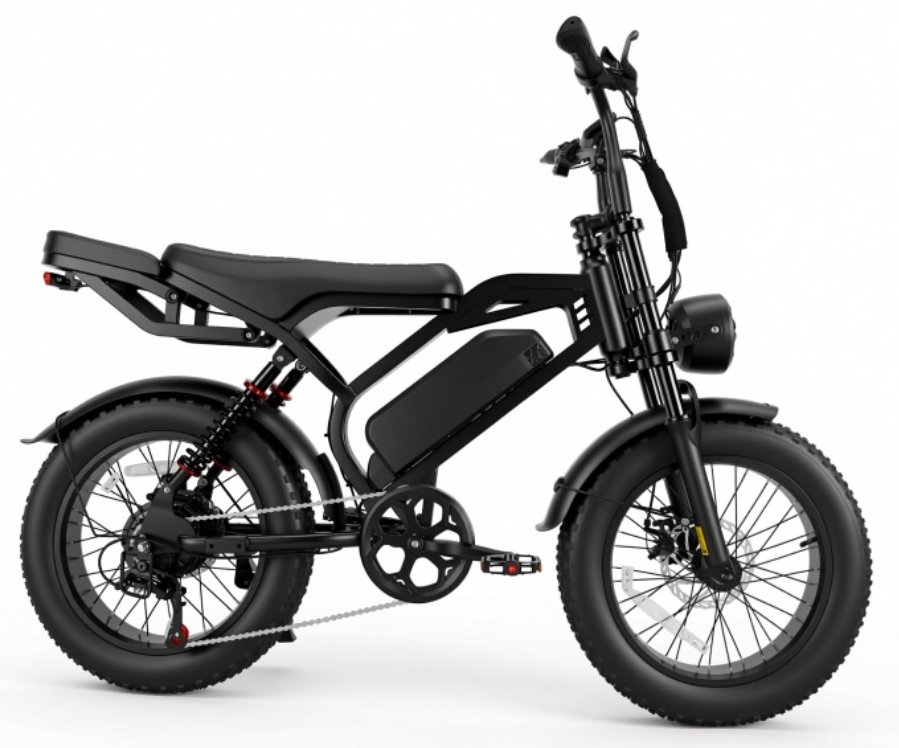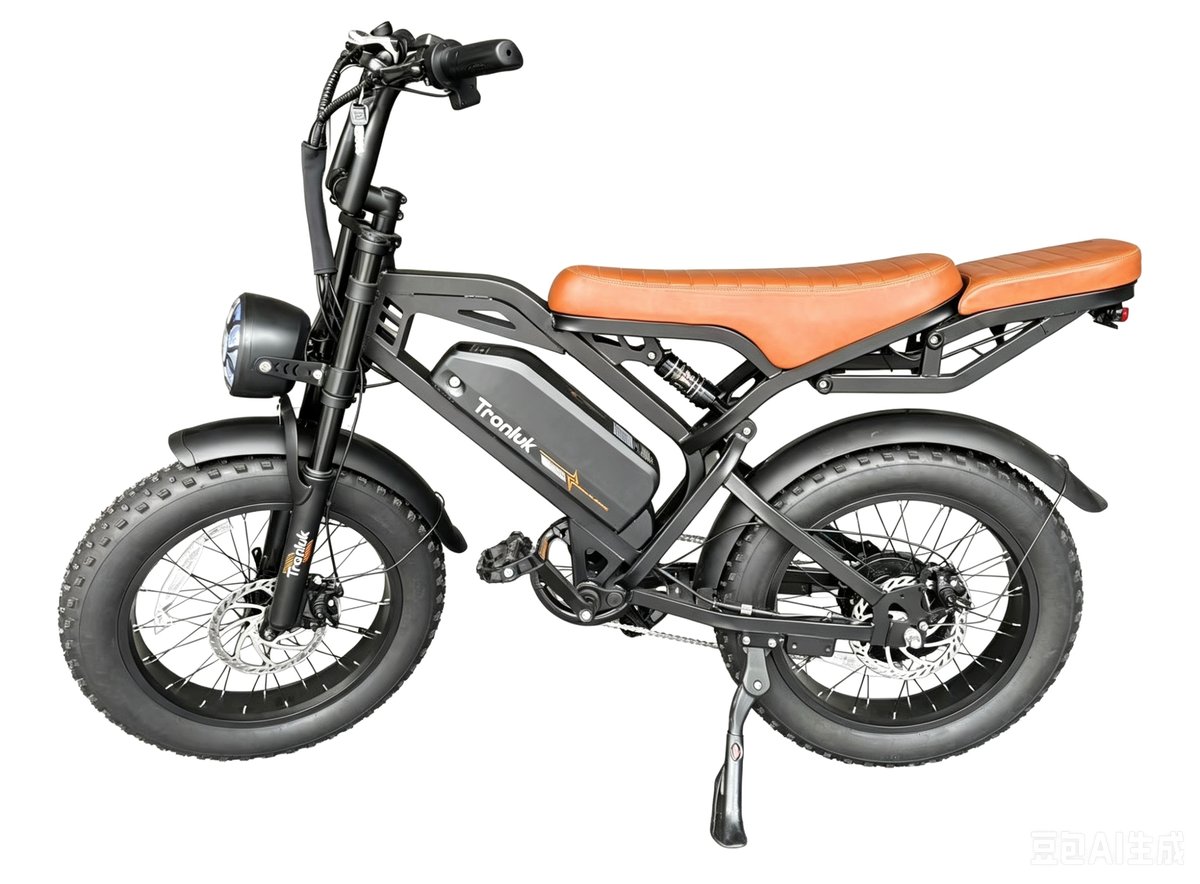
So you're thinking about importing the wholesale JIUYUE GT600 20in Pro Rear Rack e-bike and you've never brought a container of e-bikes in before. Good — this walkthrough is for you. I've been on the factory side of hundreds of first orders, and the difference between a smooth landing and a costly mess almost always comes down to five checkpoints: the spec sheet, the sample, QC, payment terms, and what happens when the container hits your port. Let's go through them in the order you'll actually face them.
## Checkpoint 1: Read the spec sheet like a buyer, not a fan
The first thing you'll do is open the product page for the JIUYUE GT600-20 Pro and scan the numbers. Don't just nod at the 20-inch fat tires and rear rack — ask what those numbers mean for your market. The GT600-20 Pro typically runs a 500W–750W rear hub motor (market-dependent), a 48V 15Ah–20Ah lithium pack, and a steel or aluminum step-through frame with that integrated rear rack. For a first-time importer, the rear rack is the selling point: cargo, delivery, and family use are the fastest-growing segments in CIS and South America right now. But check the voltage and plug type against your country's standard before you fall in love with the spec. A 48V system is fine for most markets, but if you're selling into the EU, confirm the motor is locked to 250W continuous and 25 km/h out of the box — otherwise you're looking at rework or a customs headache. Also ask the factory for the exact battery cell brand (Samsung, LG, or a domestic equivalent) because that single detail decides your warranty exposure.
## Checkpoint 2: The sample is your cheapest insurance
Order one sample before you talk about a container. Not two, not a pallet — one. Ride it, weigh it, measure the box, and check the rear rack welds with your own hands. A common question on r/ebikes and in importer groups is: "What MOQ should I expect from a real factory?" For a model like the JIUYUE GT600-20 Pro, most factories will start at 50–100 units for a mixed container, but sample-first is non-negotiable. When the sample arrives, do three things: charge it fully and log the range, put 30–40 kg on the rear rack and ride 5 km, and open the controller compartment to check for potting and cable routing. If the sample passes, you have a baseline. If it fails, you've saved yourself a five-figure mistake. Expect 7–10 days for sample production plus express shipping; budget USD 80–150 for the courier.
## Checkpoint 3: QC is a conversation, not a certificate
Ask for the factory's QC checklist before you ask for a price. A serious e-bike factory will send you a document covering motor run-in, battery charge/discharge, brake adjustment, torque checks, and a full function test. For the GT600-20 Pro, insist on a 100% battery load test and a 10-minute motor burn-in per unit — not a spot check. If you're selling into the EU, ask for EN 15194 and CE documentation; for the US, UL 2849 is increasingly requested by retailers and insurers, even where it isn't legally mandatory. A question buyers ask constantly on LinkedIn procurement threads is: "Do I really need UL certification to sell in the US?" The honest answer: not always by law, but major retail chains and marketplaces will ask for it, and it protects you in a liability claim. Budget for third-party inspection (SGS, Bureau Veritas, or QIMA) on your first order — roughly USD 300–500 and worth every cent.
## Checkpoint 4: Payment terms and the 30/70 reality
Most first-time importers expect 50/50. The reality with Chinese e-bike factories is usually 30% deposit, 70% before shipment, sometimes with a 20% deposit for repeat buyers. Don't fight it on order one — instead, protect yourself with a clear proforma invoice that lists model, battery spec, color, quantity, packaging, and inspection terms. If you're nervous, ask for a trade assurance platform or a letter of credit for orders above USD 30,000. Lead time for a 100–200 unit order is typically 25–35 days after deposit, plus 25–40 days sea freight depending on destination. A 20ft container holds roughly 120–150 units of a 20-inch e-bike depending on packaging; a 40HQ can take 280–320. Get the factory to confirm the exact carton dimensions and CBM before you book freight — this is where first-timers lose money.
## Checkpoint 5: Container arrival and the paperwork you'll wish you'd checked
When the container lands, the fun starts. Have your customs broker lined up before the vessel sails. For the EU, e-bikes fall under HS code 8711.60 and anti-dumping duties apply to Chinese-origin e-bikes — check the current rate with your broker, because it can exceed 60% and will change your landed cost completely. For CIS and Middle East markets, duties are lower but certification (EAC, SASO) takes time, so start it during production, not after arrival. Ask the factory for the full document pack: commercial invoice, packing list, bill of lading, CE/EN 15194 certificate, battery UN38.3 test report, and MSDS. Missing the UN38.3 report is the single most common reason batteries get held at port. Once cleared, inspect 10% of units before you release to customers — even a good factory ships the occasional loose connector.
## The takeaway
Importing the wholesale JIUYUE GT600 20in Pro Rear Rack e-bike is not complicated, but it is sequential. Spec sheet first, then one sample, then a QC checklist, then payment terms that match your risk, then paperwork before the boat sails. Do those five things in order and your first container becomes a repeat order. Skip one and you'll learn the lesson the expensive way — which is exactly what this walkthrough is meant to prevent.