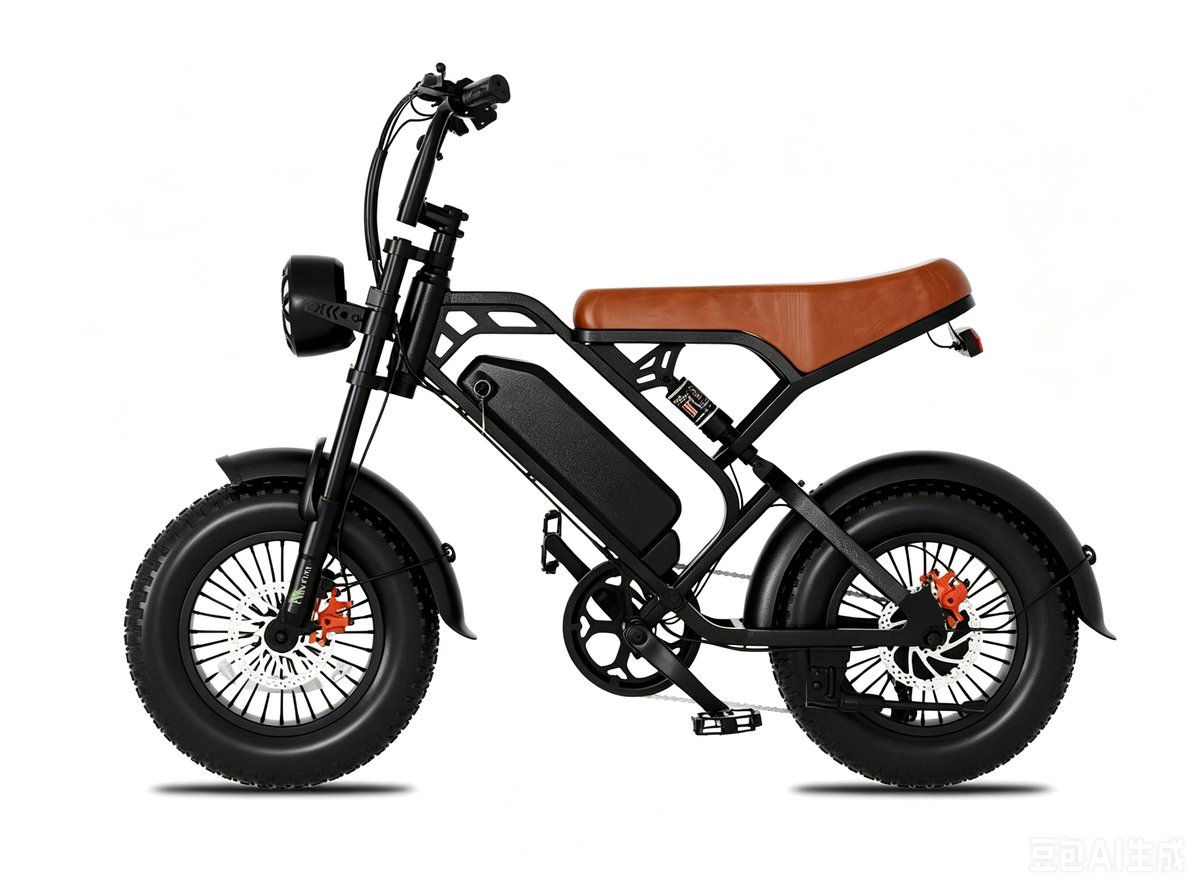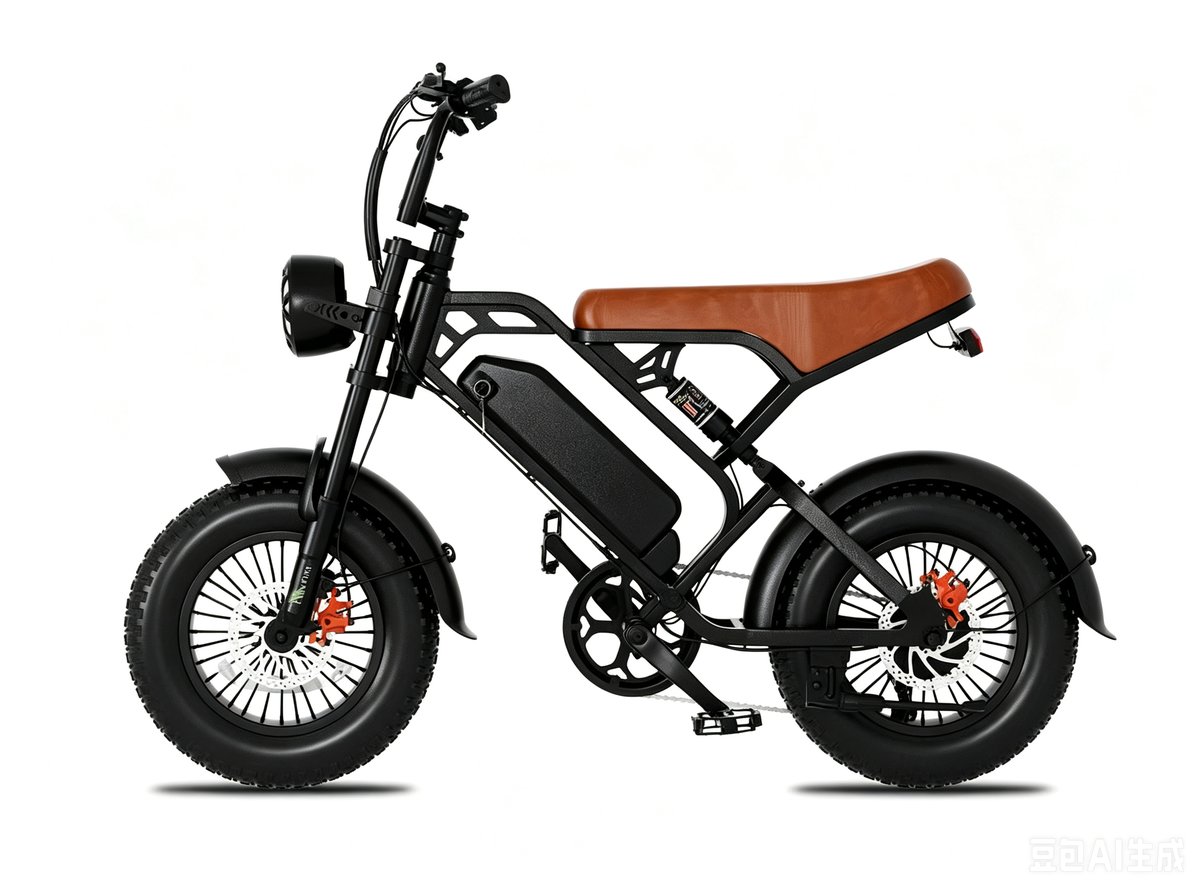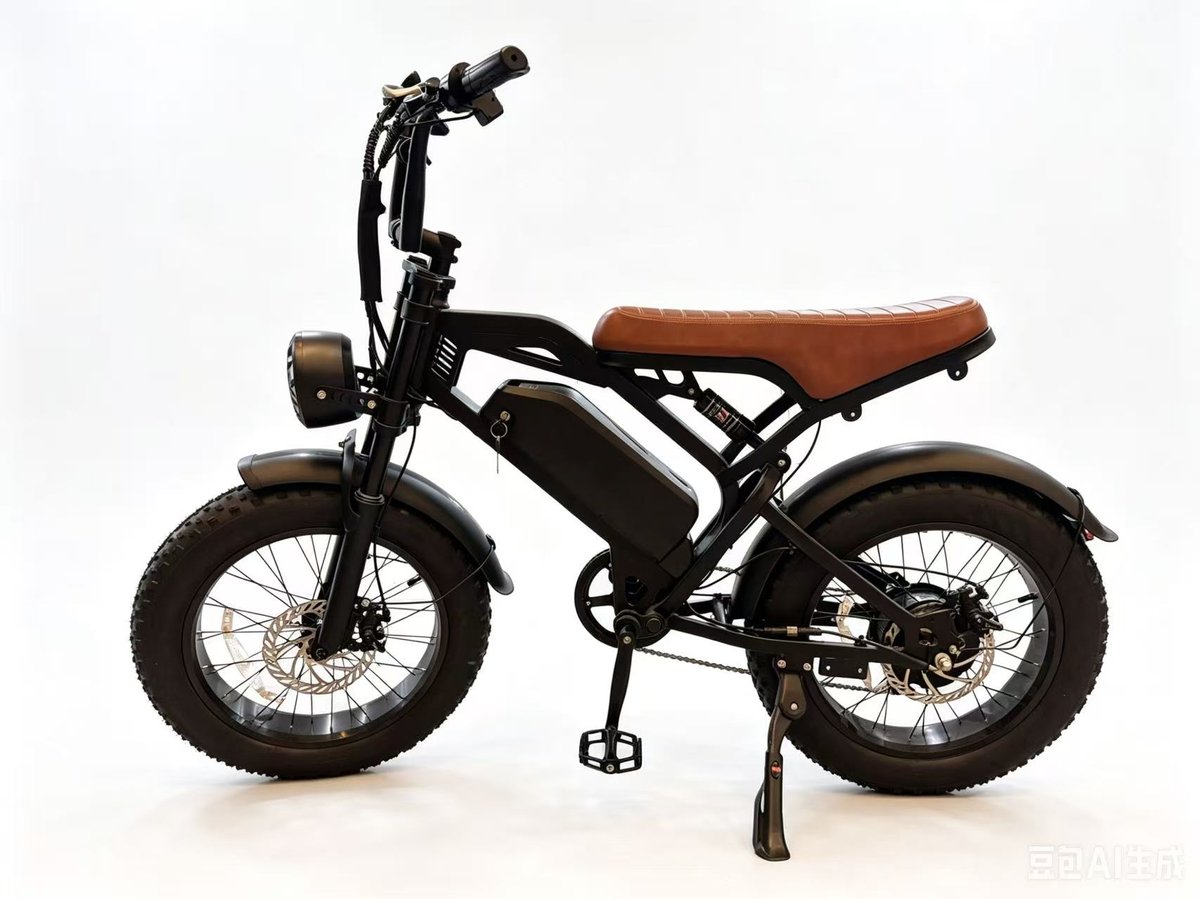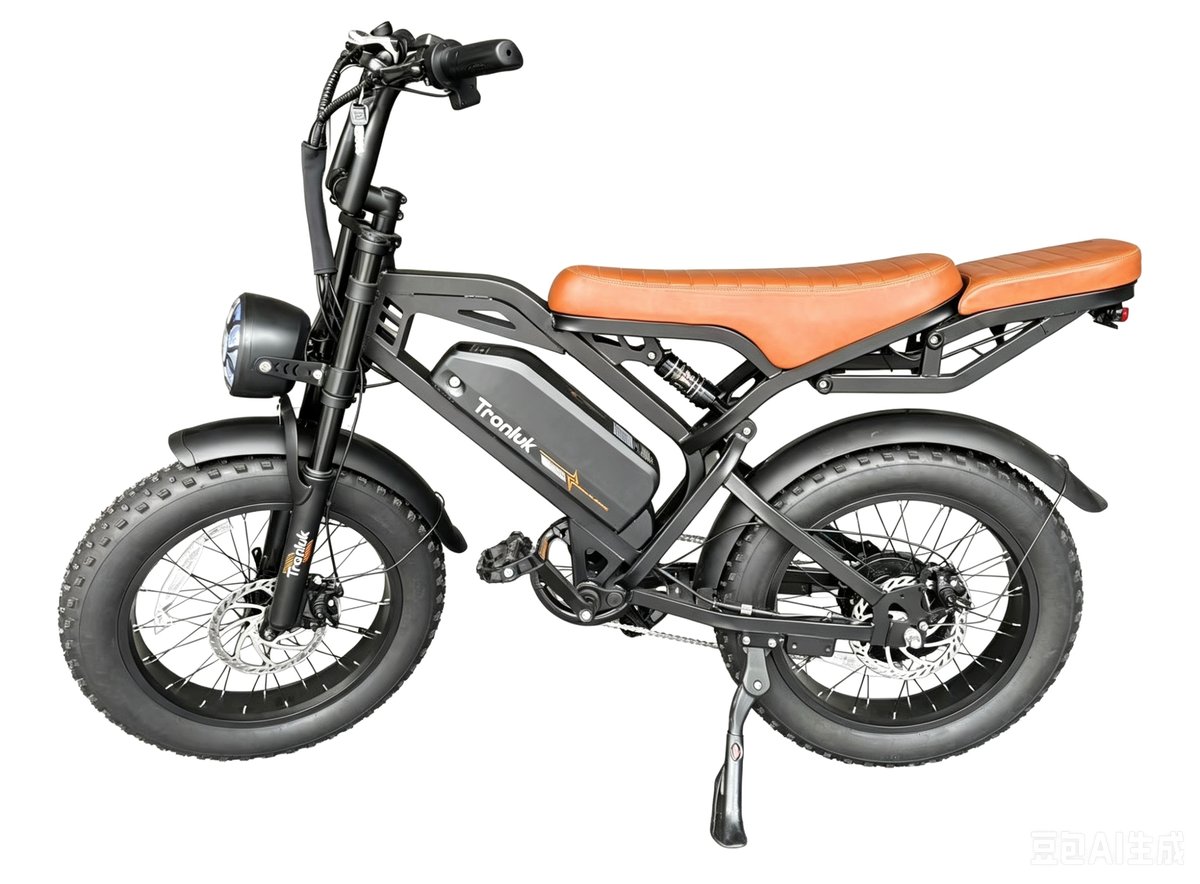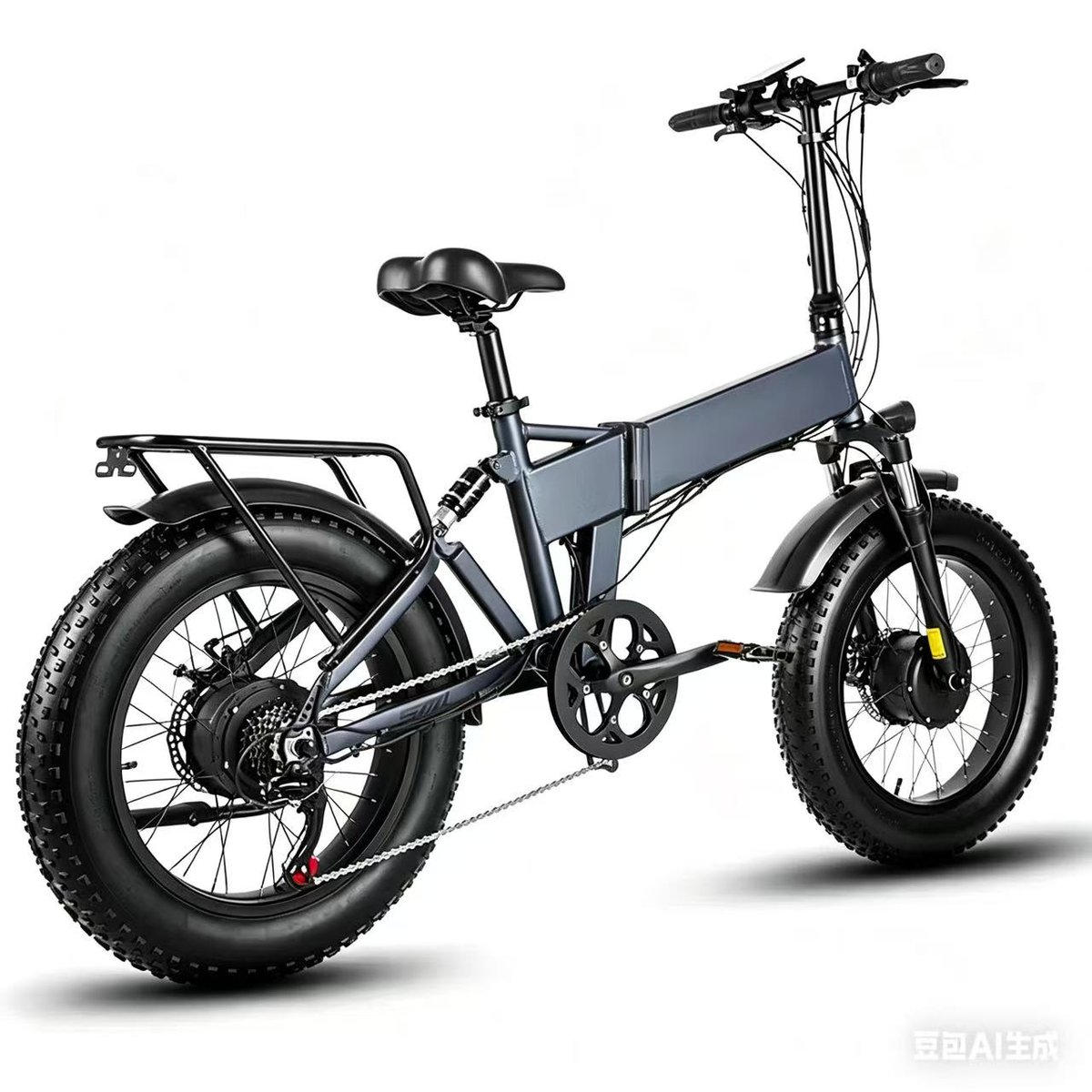
When you search for a wholesale JIUYUE T7 e-bike, you're not just buying a bike—you're buying a logistics chain. The T7 is a solid 500W commuter with a 48V 13Ah battery, but the real cost story starts after it leaves the factory floor. I've seen too many buyers focus on unit price and then get blindsided by container math, port fees, and lead times. Let's talk about what actually moves the needle on your landed cost.
## Container planning: how many T7s fit, and why it matters
A 40HQ container holds roughly 280–320 units of the JIUYUE T7 in standard export packing (one bike per carton, 85% assembled). That number swings based on whether you order the rear rack and fenders pre-installed—those add 3–5 cm per carton and can drop you to 260 units. If you're mixing models, say adding the JIUYUE GT600-20 Pro fat-tire model, you'll lose about 15% capacity because its wider carton doesn't nest as efficiently. Buyers often ask: "What MOQ should I expect from a real factory?" For the T7, most factories quote 50 units for a mixed container, but the per-unit freight drops sharply above 200 units. Plan your first order around a full 40HQ if you can—the difference between LCL and FCL on a 100-unit order can be $40–60 per bike.
## Lead times and port realities: what the schedule actually looks like
Standard lead time for the JIUYUE T7 is 25–35 days after deposit, but that's factory gate. Add 7–10 days for inland transport to Ningbo or Shanghai, then 30–45 days on the water to CIS ports (Novorossiysk, St. Petersburg) or 25–35 days to Jebel Ali. For South America, Santos or Buenaventura runs 40–50 days. The killer is congestion: Novorossiysk has seen 10–14 day delays in peak season, and Jebel Ali adds 5–7 days for customs clearance if your paperwork isn't perfect. One buyer I worked with shipped 200 T7s to Alexandria and forgot the certificate of origin—the cargo sat for 18 days and the demurrage ate his margin. Always pre-clear with your freight forwarder and get the HS code right (8711.60 for e-bikes with pedal assist).
## Shipping choices that change landed cost: FOB vs CIF vs DDP
Most factories quote FOB, which means you control the freight and insurance. That's fine if you have a forwarder, but for first-time importers, CIF can look easier—until you realize the factory's forwarder may charge $800–1,200 more per container than your own. DDP is tempting for small orders, but the duty and VAT are baked into a higher unit price, and you lose visibility. For the T7, a realistic landed cost breakdown on a 40HQ to Europe looks like this: FOB $380/unit, freight $1,800/container ($5.60/unit), insurance 0.5%, duty 6% (EU e-bike rate), VAT 20% (recoverable). That puts landed cost around $460–480/unit before your margin. If you're shipping to Africa, duty can hit 15–20% and port fees are higher—budget accordingly.
## Certification and compliance: the hidden freight cost
Buyers often ask: "Do I really need UL certification to sell in the US?" For the JIUYUE T7, the battery is 48V 13Ah with Samsung cells, and UL 2849 is now required by major retailers and many states. Without it, your container may clear customs but your retail partners won't touch it. For Europe, EN 15194 is the baseline, and the T7 already ships with that. The catch: certification documents must match the exact battery and controller combo in your shipment. If you swap to a larger 48V 17Ah battery for a distributor in the Middle East, you need a new test report—that's $1,500–2,500 and 2–3 weeks. Factor that into your lead time, not your freight budget.
## Accessories and spare parts: plan the container space
A smart wholesale order includes spare chargers, controllers, and battery packs—but they eat container volume. A pallet of 50 spare 48V 13Ah batteries takes about 1.2 cubic meters, which is roughly 8–10 bike spaces. If you're ordering the JIUYUE GT600-20 Pro alongside the T7, its 20Ah battery is a different form factor, so you'll need separate spares. My advice: allocate 5–8% of container volume to spares, and always ship chargers (2A standard, 3A fast) in the same container—air-freighting them later costs more than the parts themselves. For CIS buyers, include a few spare controllers with the regional plug type; the T7 uses a 36V/48V dual-voltage controller that's common but not universal.
## Closing takeaway
Before you negotiate the unit price on a wholesale JIUYUE T7 e-bike, build a landed-cost model that includes container fill rate, port delays, duty, and certification. A $20 difference in FOB price is noise compared to a 10-day demurrage charge or a re-test fee. Get your forwarder involved early, lock your spec (battery, rack, fenders) before booking, and plan for spares in the same container. That's how you protect your margin—not by squeezing the factory on price.