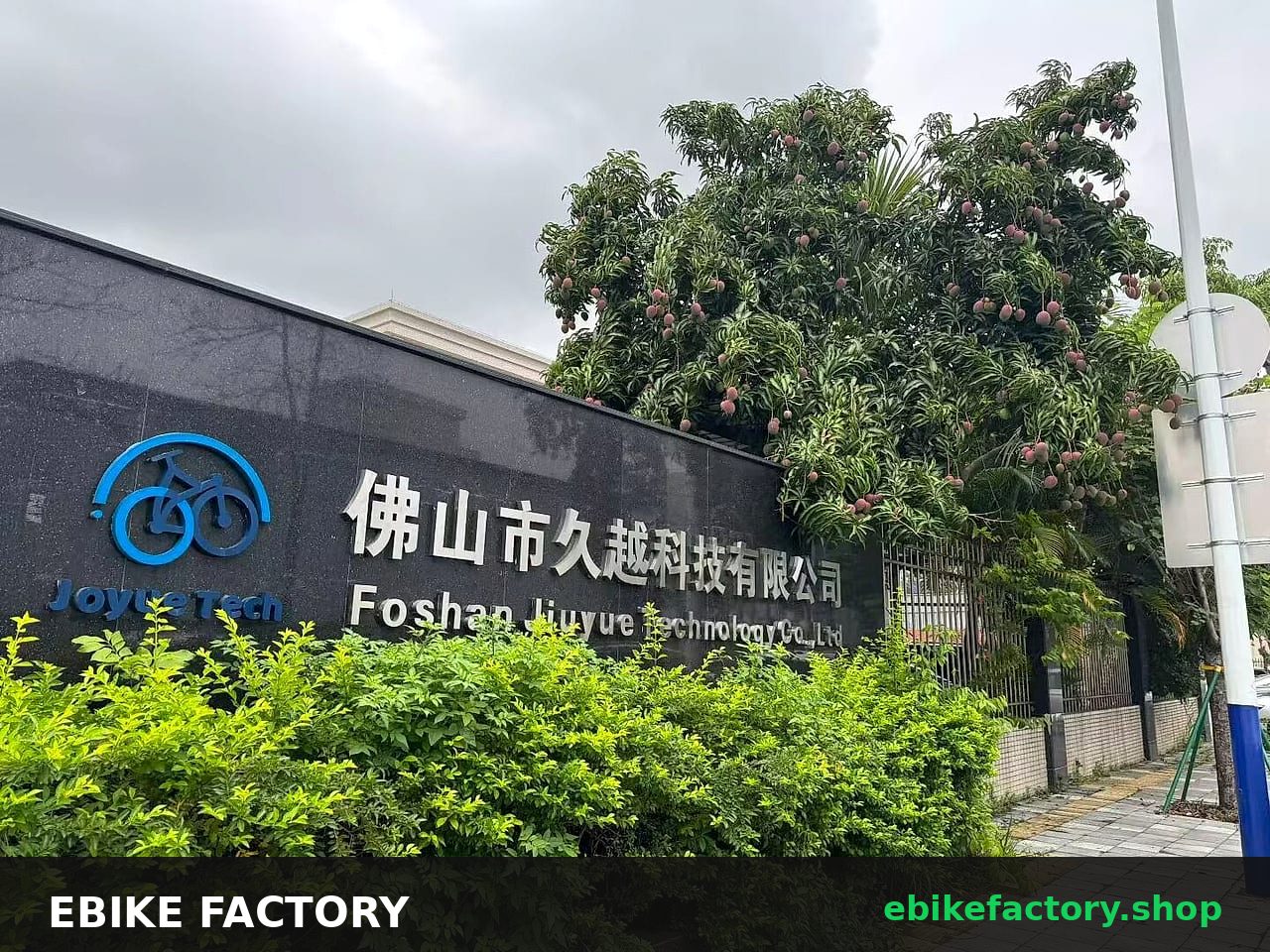
Entering the e-bike import business can be lucrative, but the supply chain is more complex than for many consumer products. From motor and battery sourcing to certification and logistics, each step affects your margins, compliance, and customer satisfaction. This guide breaks down the key aspects new importers must understand to build a reliable, cost-effective supply chain.(PS:This guide is a personal opinion for reference only!!)
1、 Why the e-bike supply chain matters for distributors and importers
E-bikes are not simple goods. They combine mechanical parts, electronics, and batteries, each with its own sourcing and regulatory landscape. A weak link—say, an uncertified battery or a motor that fails under load—can lead to returns, legal issues, and reputational damage. For distributors and importers, understanding the supply chain is essential to control quality, manage costs, and ensure timely delivery.
2、Key specs that matter: motor, battery, and certification(This is the key point!)
When evaluating e-bikes, focus on the components that drive performance and compliance. The motor’s power (W) and torque (Nm) determine hill-climbing and speed; most markets regulate continuous power (e.g., 250W in the EU, 750W in the US). Battery capacity (Wh) and chemistry (lithium-ion is standard) affect range and lifespan. Certification is non-negotiable: CE and EN 15194 for Europe, UL 2849 for the US, and equivalent standards in other regions. Also check for battery safety certifications like UN38.3 for transport. These specs not only impact user experience but also your ability to legally sell in target markets.
3、 Buying and verification checklist
Before placing an order, verify the manufacturer’s credibility and product quality. Request samples and test them under real conditions. Check factory audits (ISO 9001), and ask for test reports for motors, batteries, and complete bikes. Confirm component brands—e.g., Samsung or LG cells, Bafang or Shimano motors—and ensure they are genuine. Review warranty terms and after-sales support. A thorough checklist includes: business license, product liability insurance, certifications, test reports, and references from other importers. This due diligence prevents costly mistakes.(Our products have CE/UL available)
## MOQ, pricing, and the B2B order process
Most factories set minimum order quantities (MOQs) per model, often 50–100 units for standard e-bikes, but this varies. Pricing depends on specs, order volume, and Incoterms. Clarify what’s included (e.g., battery, charger, packaging) and request a detailed quotation. The order process typically involves: inquiry, sample order, contract, deposit (30–50%), production, inspection, balance payment, and shipping. Understand lead times (usually 45–90 days) and shipping terms (FOB, CIF, DDP). For shipping to regions like CIS, Middle East, South America, Africa, and Europe, consider logistics partners experienced in e-bike transport, especially for lithium batteries (dangerous goods class 9).(Our product MOQ is more than 20 units to be shipped)
## How OEM and private-label orders work
OEM (original equipment manufacturer) and private-label allow you to sell e-bikes under your own brand. The factory can customize frame design, colors, decals, and even component specs. You’ll need to provide a brand name, logo, and any market-specific requirements. MOQs for OEM are usually higher (100–200 units) and lead times longer. The process includes design approval, sample confirmation, and production. Ensure the contract covers intellectual property, exclusivity, and quality standards. This approach builds brand equity but requires more upfront investment and coordination.
In summary, mastering the e-bike supply chain is about diligence and clear communication. By focusing on key specs, verification, order terms, and OEM options, new importers can mitigate risks and build a profitable business. Start with small orders, scale gradually, and always prioritize quality and compliance.