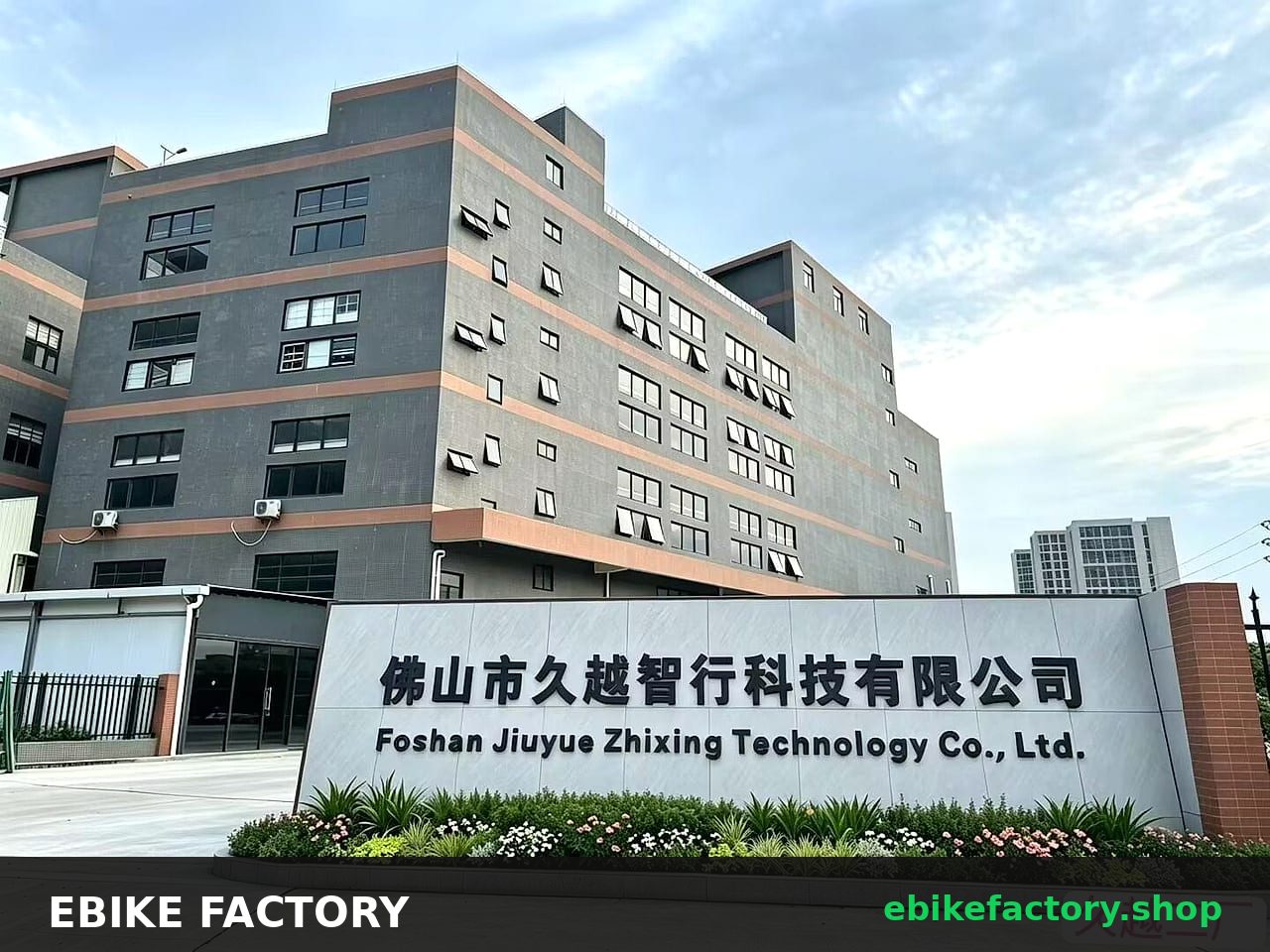
Sourcing e-bikes from China can be highly profitable, but the difference between a smooth supply chain and a costly disaster often comes down to factory selection. Distributors, importers, e-bike brands, and retail chains in the CIS, Middle East, South America, Africa, and Europe all face the same challenge: how to separate genuine manufacturers from trading companies and unreliable suppliers.
1、The first thing dealers and importers need to do is select a factory
A reliable e-bike factory is not just a supplier; it is a strategic partner. When you source from an unverified factory, you risk receiving units with mismatched components, failing batteries, or missing certifications that can halt customs clearance and expose you to liability. For B2B buyers, the stakes are higher than for individual consumers: one bad batch can damage relationships with your retail clients, trigger warranty claims, and tie up capital in unsellable inventory. Moreover, the e-bike market is flooded with trading companies that present themselves as factories. These intermediaries add cost and reduce your control over quality and lead times. Verifying that you are dealing directly with a manufacturer—or a transparent, value-added partner—is the first step toward reliable supply.
2、 Factory audit and verification checklist
A desktop review is not enough; you need concrete evidence. Start by requesting the factory's business license and checking its registered capital and scope of operations. Cross-reference the company name on Chinese business databases (e.g., Qichacha or Tianyancha) to see if it is a manufacturer or a trading company. Ask for a video tour of the production line, including the assembly area, battery pack assembly, and testing station. A genuine factory will have dedicated QC staff and end-of-line testing (e.g., road test, brake test, electrical safety test). Request references from existing B2B clients in your region and, if possible, visit the factory or hire a third-party inspection service (e.g., SGS, TÜV, or QIMA). During the audit, check for ISO 9001 certification, a clean and organized workspace, and proper storage of lithium batteries. Also review their warranty policy and spare parts availability—reliable factories stand behind their products with clear terms.
3、 MOQ, pricing, and the B2B order process
Understanding the factory's minimum order quantity (MOQ) and pricing structure is essential for planning your cash flow. MOQs for e-bikes typically range from 50 to 200 units per model, but some factories accept 20–30 units for trial orders. Be wary of factories that offer unusually low MOQs with high prices; they may be trading companies. Request a detailed quotation that breaks down the cost of the frame, motor, battery, and assembly. Clarify Incoterms (FOB, CIF, DDP) and shipping ports. For buyers in the CIS, Middle East, South America, and Africa, confirm the factory's experience with shipping to your region, including packaging standards for long sea freight and compliance with local import regulations. Discuss lead times, payment terms (typically 30% deposit, 70% before shipment), and the process for handling defects. A professional factory will provide a clear production schedule and allow third-party inspection before final payment.
4、 How OEM and private-label orders work
If you want to build your own brand, OEM (original equipment manufacturer) and private-label services are the way to go. A reliable factory will offer flexibility in frame design, color, decals, and component selection. Start by discussing your target price point and volume; the factory can recommend a frame platform and component mix that fits your budget. Request samples with your branding to evaluate quality and ride feel. Clarify intellectual property terms: who owns the mold (if custom), and what exclusivity the factory offers in your region. Also confirm that the factory can handle packaging design, user manuals, and labeling requirements for your market. A good OEM partner will guide you through the process, from 3D drawings to mass production, and will maintain consistent quality across batches. Keep in mind that custom molds and certifications may require additional lead time and investment.
Finding a reliable e-bike factory in China requires diligence, but the payoff is a stable supply of quality products that your customers trust. Focus on direct communication, verified certifications, transparent pricing, and a factory that welcomes inspections. By following this checklist, you can avoid the common pitfalls and build a partnership that supports your growth in the competitive e-bike market.Our factory meets all the above conditions. If you are interested, please contact us.