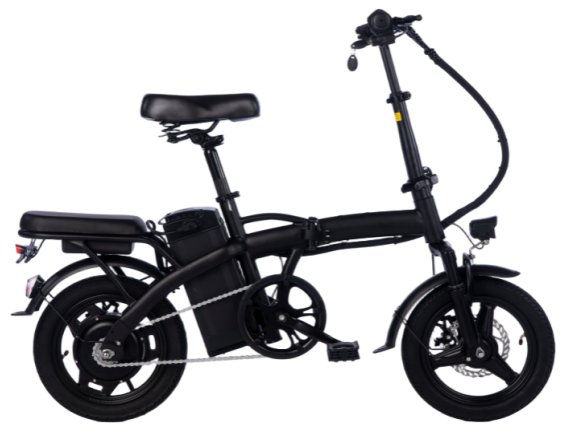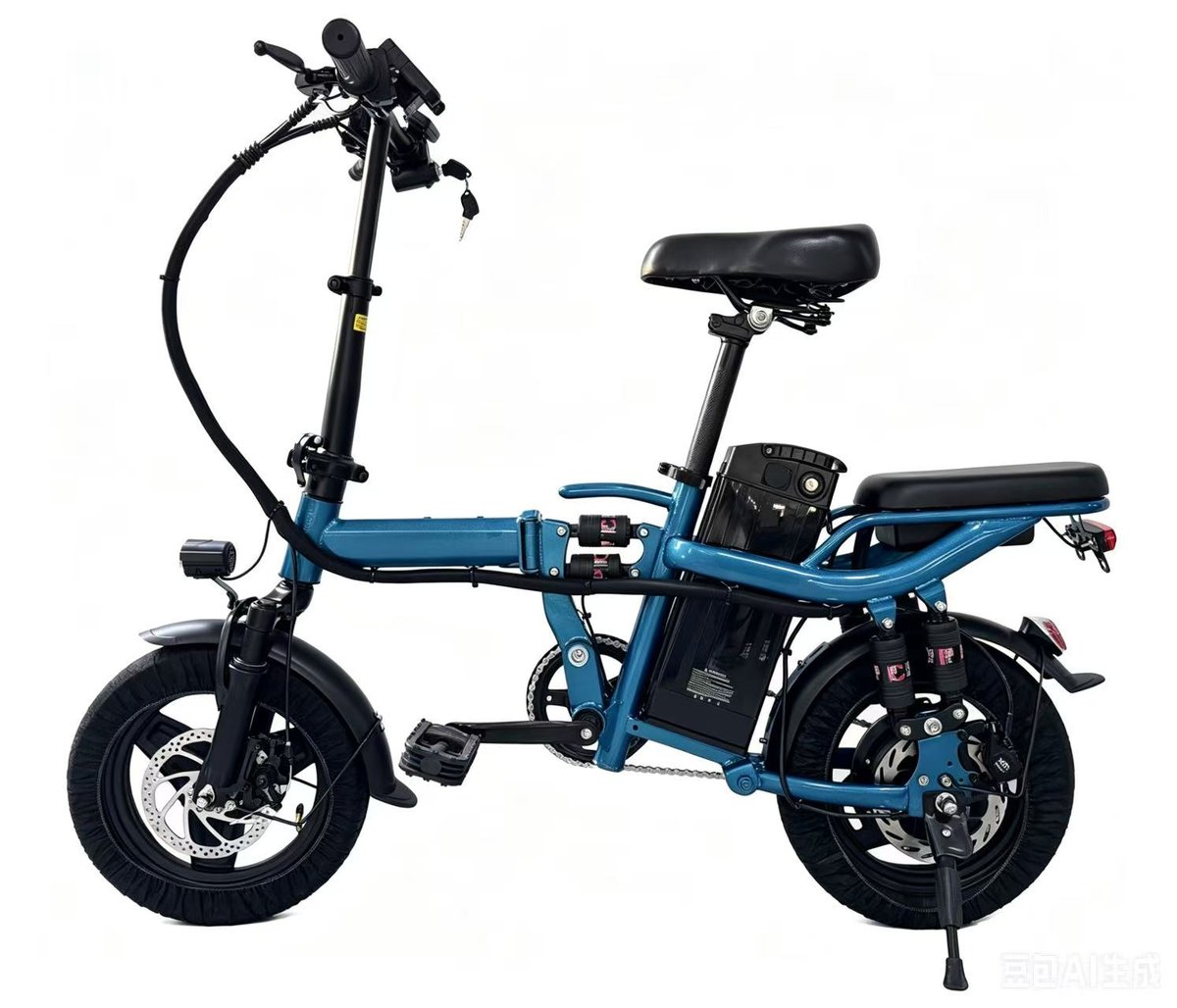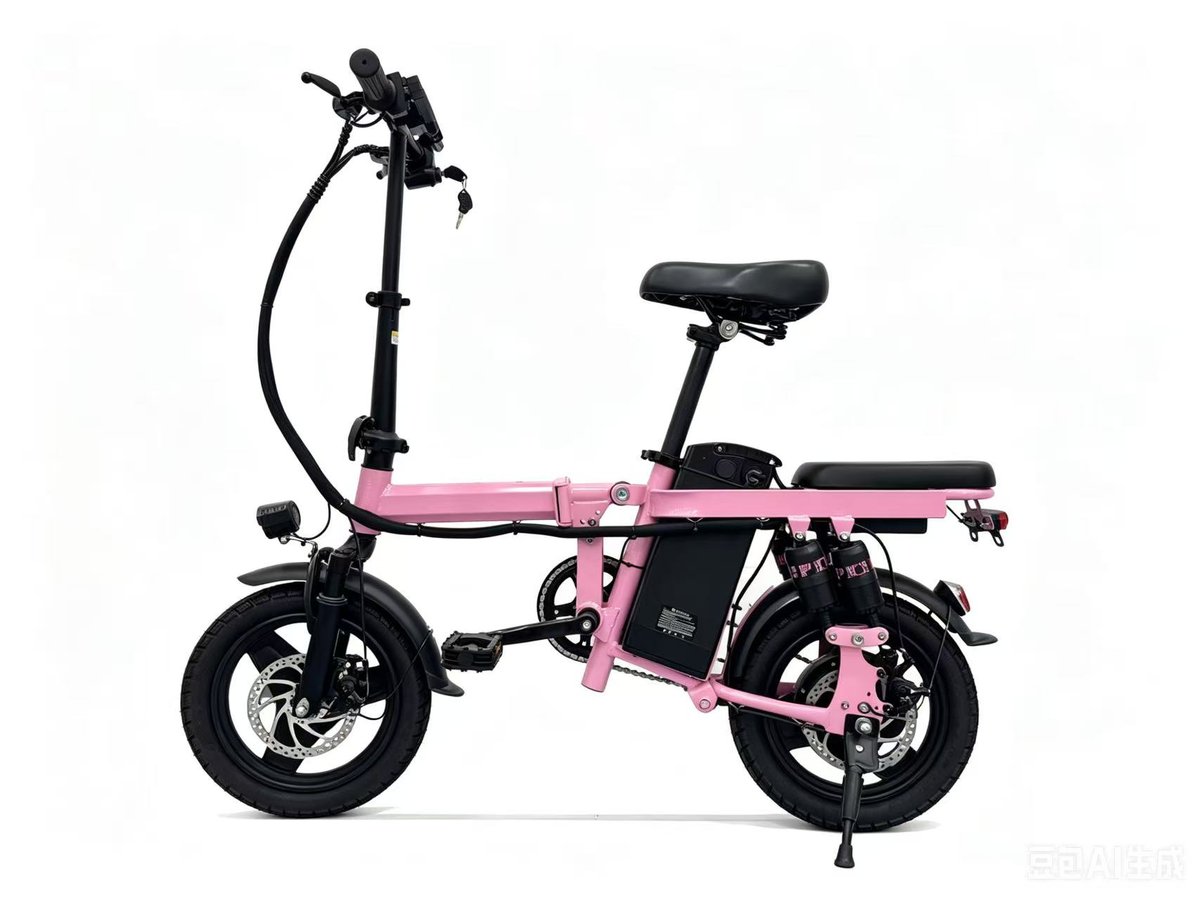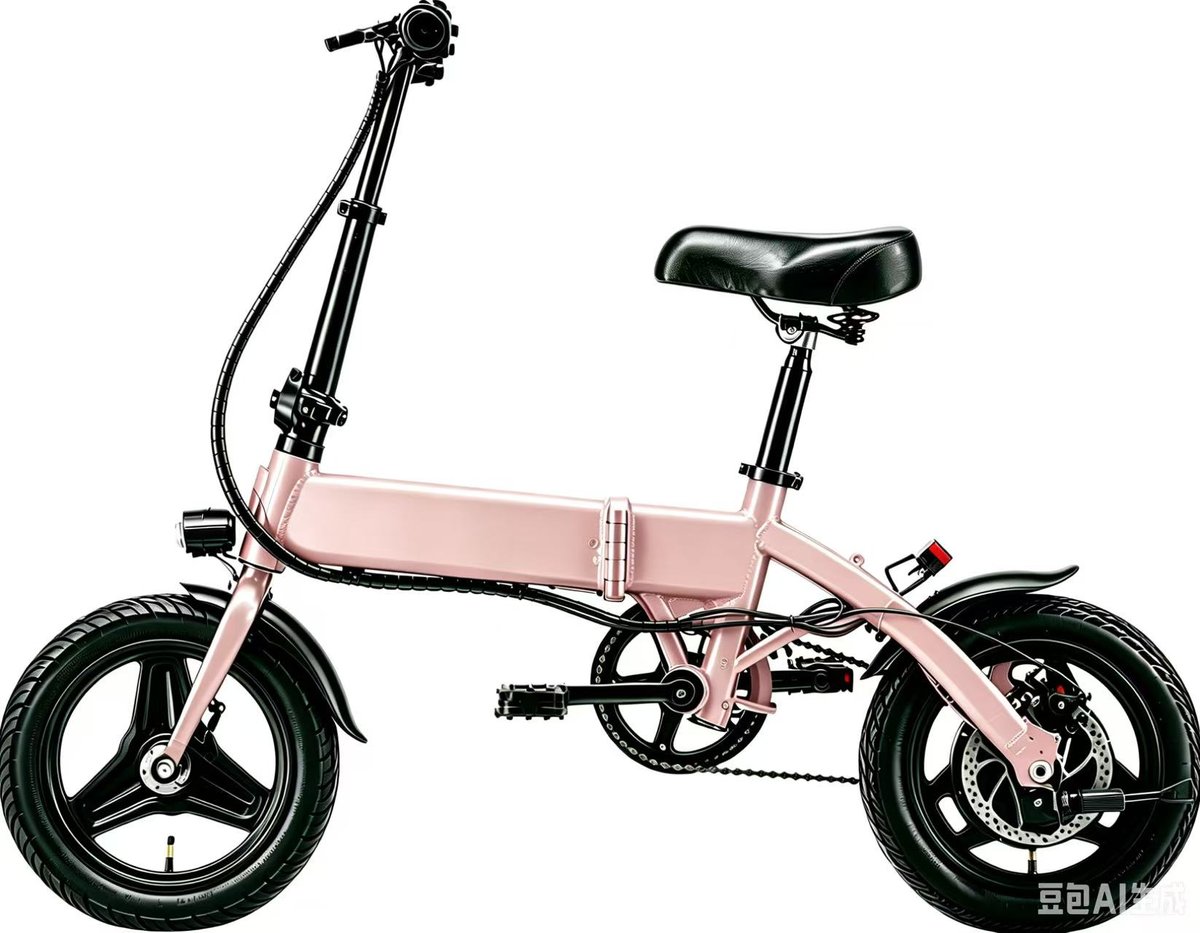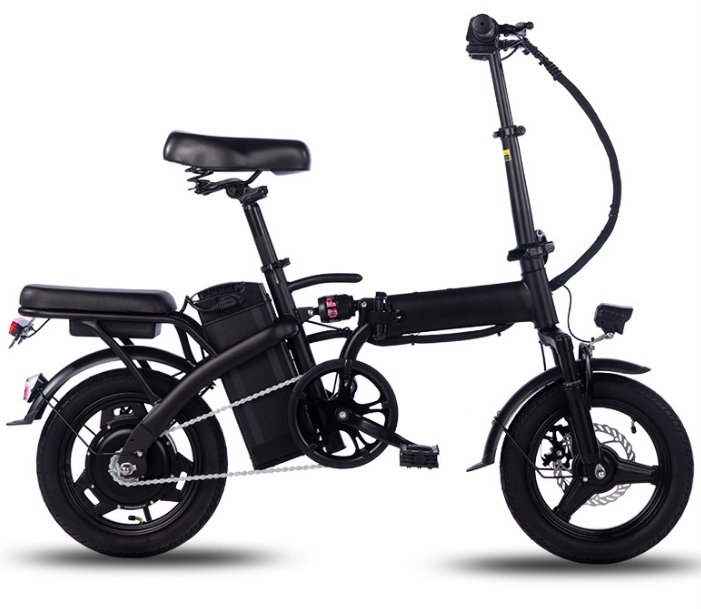
When you’re sourcing a compact e-bike for your market, the wholesale JIUYUE T1 14in e-bike often lands on the shortlist—but the real decision isn’t whether it’s a good unit, it’s whether it fits your buyers better than a 16in commuter or a 20in fat-tire model. This guide compares the T1 against those alternatives on the specs that actually move containers: motor, battery, frame, certifications, and total landed cost.
Start with the motor and battery trade-off. The JIUYUE T1 14in typically ships with a 250W or 350W rear hub motor and a 36V 10–14Ah battery, which puts it in the “last-mile” category rather than the “weekend trail” category. If your customers are urban commuters, delivery riders, or camper-van owners, that’s a match. If they’re expecting 25–30 mph throttle performance or 40+ mile range, you’ll get returns. Compare it to the JIUYUE GT600-20 Pro, a 20in fat-tire model with a 500W motor and a 48V 15Ah battery: the GT600-20 Pro costs roughly 30–40% more per unit FOB, but it opens the door to markets where fat-tire e-bikes sell at higher margins. The T1 wins on volume and price-sensitive channels; the GT600-20 Pro wins on premium retail floors.
Frame and portability are the second comparison axis. The T1’s 14in wheels and step-through folding frame make it one of the few models that fits two units per standard 20ft container pallet position without custom crating—typical loading is 120–140 units per 40HQ depending on packaging. A 16in commuter usually loads 90–110 units per 40HQ, and a 20in fat-tire model drops to 60–80. If your warehouse space or container budget is tight, that math matters more than a spec sheet. Buyers on r/ebikes often ask, “Is a 14in wheel too small for adults?” The honest answer: for riders under 6ft doing sub-5-mile trips, no—but for taller riders or rough pavement, a 16in or 20in model is the safer sell.
Certifications and import rules are where the T1 comparison gets serious. For the EU, you need EN 15194 and CE marking; for the UK, UKCA; for the US, UL 2849 is increasingly demanded by retailers and insurers even where not legally mandated. The T1 platform is available with UL 2849-compliant battery packs and EN 15194 test reports, but you must specify these at PO stage—retrofitting certification after production is expensive. Compare that to sourcing a no-name 14in clone: the unit price might be $15–20 lower, but you’ll spend that back on testing and customs delays. A common question in procurement groups is, “What MOQ should I expect from a real factory?” For the T1, realistic MOQ is 50–100 units per color/spec mix, with 30–45 days lead time after deposit; smaller trial orders are possible but usually carry a 5–8% premium.
Accessories and spare parts are the fourth comparison point. The T1 uses a standard 36V 2A charger, a rear rack rated to 25kg, and a controller that’s shared with several JIUYUE 14in and 16in models—so your service network can stock one controller SKU instead of three. That’s a real cost advantage over brands with proprietary electronics. If you’re building a distributor program, ask the factory for a spare-parts kit at 3–5% of order value; most will include chargers, controllers, and brake pads at cost. Shipping to CIS, Middle East, South America, and Africa is routine via Ningbo or Shenzhen, with 20–35 days transit depending on port; European buyers should factor in 6–14% anti-dumping duty on complete e-bikes, which is why some importers bring in frames and motors separately.
The practical takeaway: choose the wholesale JIUYUE T1 14in e-bike when your market rewards compact size, low landed cost, and shared spare parts—typically urban commuter and rental channels. Choose a 16in or 20in model like the JIUYUE GT600-20 Pro when your buyers want range, speed, or fat-tire styling and will pay for it. Get certification and MOQ confirmed in writing before you compare final prices, because those two line items change the math more than any spec on the brochure.