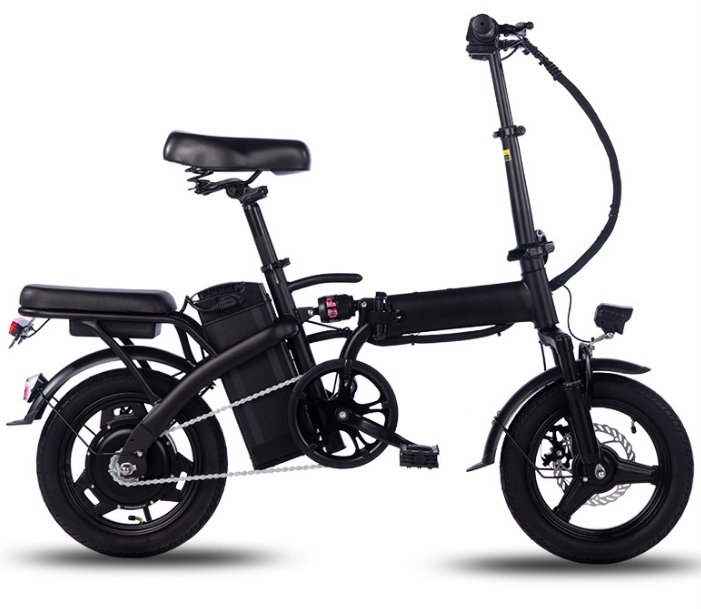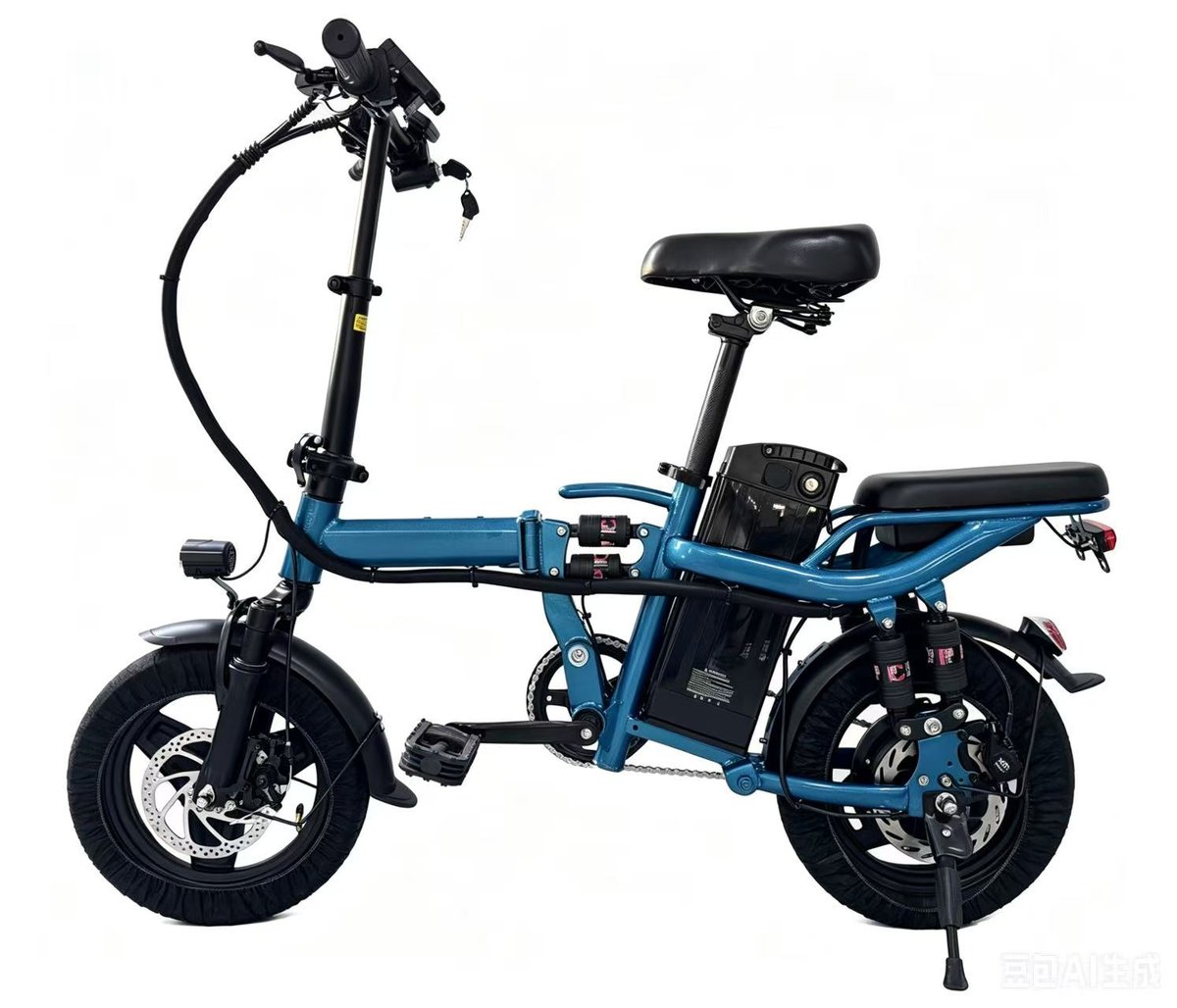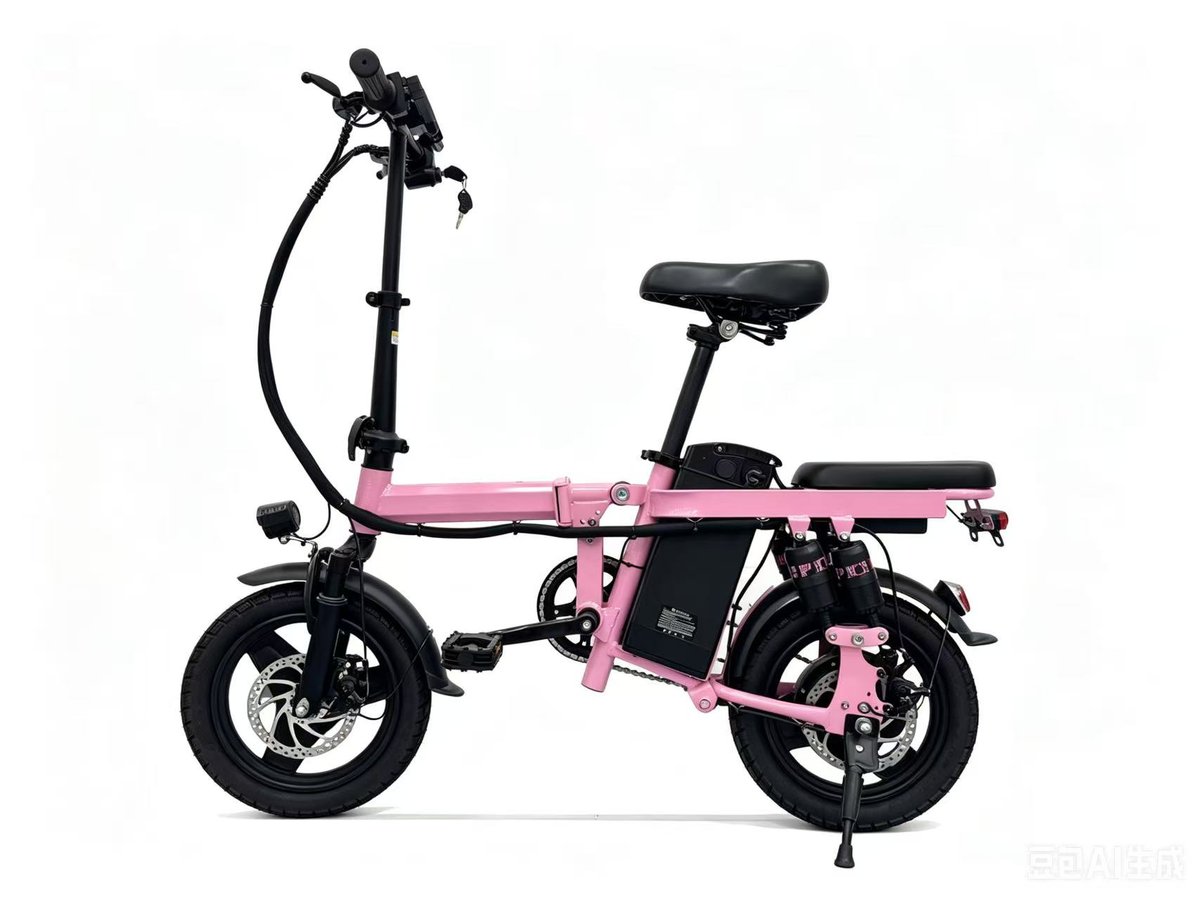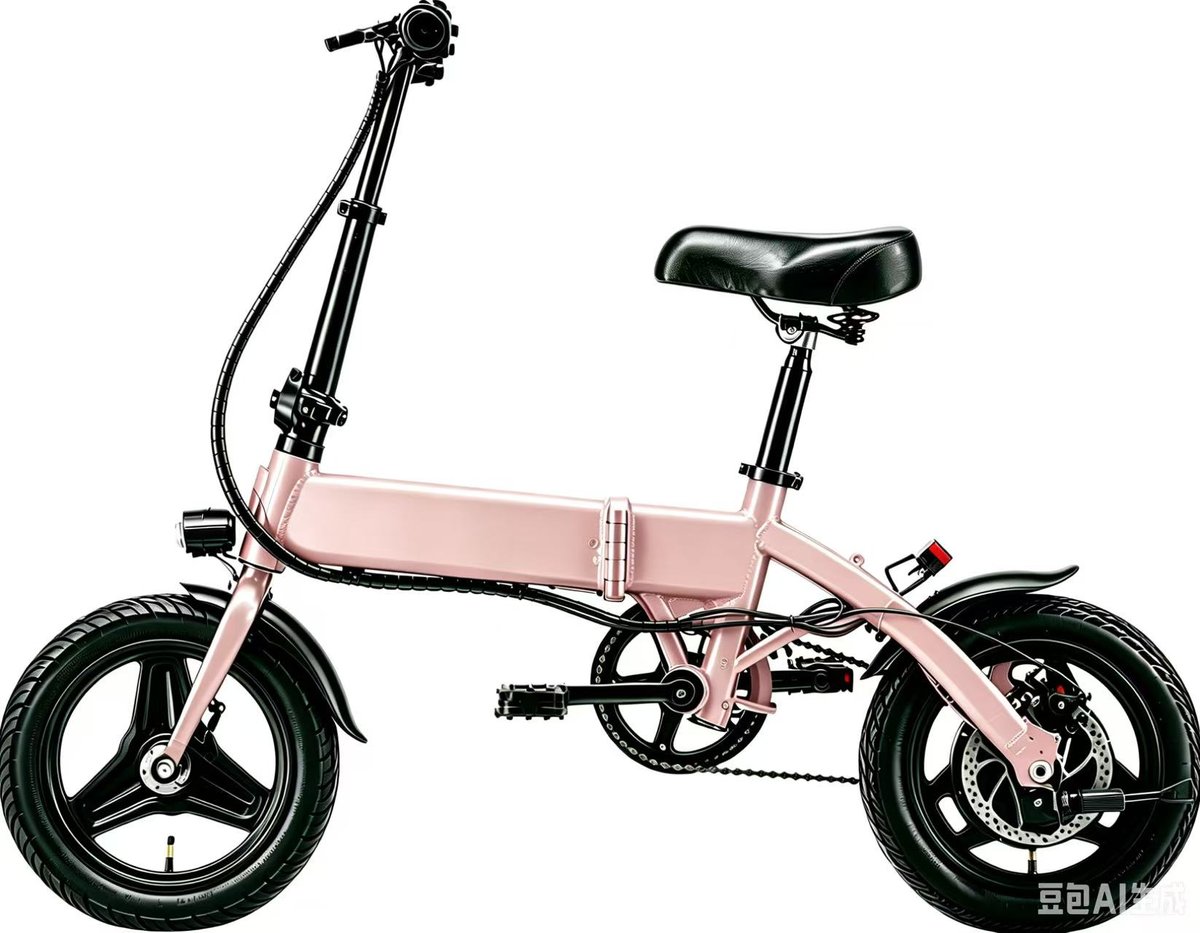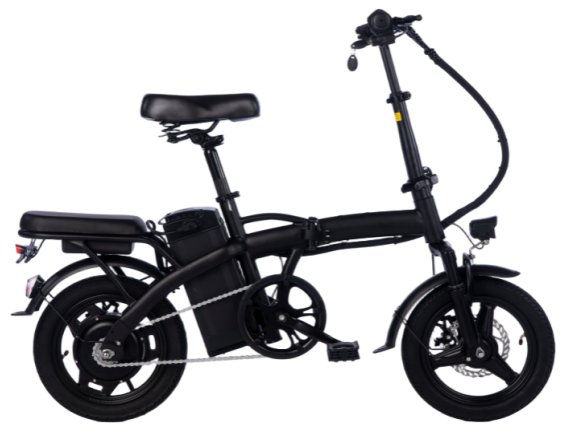
If you are a distributor or retail chain looking at the wholesale JIUYUE T5 14in e-bike, you are probably not just buying a container of generic bikes — you are trying to figure out how to put your own logo on it, tweak the spec for your market, and get it landed without blowing your margin. This playbook walks through the practical steps: branding, spec changes, packaging, certification, and lead times, using the T5 as a concrete example of what a factory can and cannot flex.
## Start with the platform, then decide what to change
The JIUYUE T5 14in is a compact 14-inch wheel e-bike built around a rear hub motor and a removable lithium battery — a format that works well for last-mile delivery, campus fleets, and urban commuting in dense CIS and Middle East cities. Before you ask for custom colors or a bigger battery, confirm the base platform: motor rated power (typically 250W–500W depending on region), battery voltage and capacity (36V or 48V, 10–15Ah common), frame material, and brake type. Most factories will let you change decals, controller firmware limits, and battery cell brand at moderate MOQ, but changing the frame or motor mounting is a new tooling project with 60–90 day lead time and five-figure tooling cost. A good rule: customize what is cosmetic or software-based first, and only re-tool if your volume justifies it.
## Branding and private-label: what actually goes on the bike
Private-label on an e-bike is more than a head badge. You can usually specify frame decals, handlebar grips with your logo, a custom display boot screen, and a branded battery case label. For the JIUYUE T5 14in, the most cost-effective branding package is decals plus a custom carton — expect a one-time plate/screen charge of roughly $300–$800 and a MOQ of 50–100 units per colorway. If you want a custom molded battery case or a proprietary display housing, budget for tooling and a 45–60 day sample cycle. Also decide who owns the brand: if you are selling under your own name, ask the factory for a letter of authorization and confirm they will not sell the same branded unit to another buyer in your territory.
## Spec changes buyers actually ask about
A common LinkedIn procurement question is: “What MOQ should I expect from a real factory for a private-label e-bike?” For a 14-inch compact model like the T5, realistic MOQ is 50–100 units for decal-only changes and 200–300 units if you want a custom battery pack or controller. Another frequent Reddit r/ebikes question: “Can I get a 500W motor instead of 250W for my market?” Yes, but the controller, wiring, and sometimes the battery BMS must be upgraded together — a 250W-to-500W swap on the same platform typically adds $25–$45 per unit and may require re-certification. If you need a step-through frame for retail chains, look at a different platform such as the JIUYUE GT600-20 Pro, which uses a 20-inch wheel and a more upright geometry; mixing models in one container is possible but usually raises the per-unit freight cost.
## Certification, duties, and import rules by region
Do not skip this. For the EU, an e-bike with pedal assist up to 25 km/h and 250W is treated as an EPAC and needs EN 15194 compliance; faster or throttle models fall under moped rules and are much harder to import. For the US, UL 2849 is increasingly required by retailers and insurers — ask the factory for the test report before you place a deposit. In the CIS, EAC certification (TR CU 010/2011 and related) is mandatory for customs clearance; lead time for EAC paperwork is typically 3–5 weeks. Middle East importers should confirm SASO or ESMA requirements depending on the country. Duty rates vary: EU anti-dumping duties on Chinese e-bikes can exceed 60% for non-cooperating exporters, so verify the factory's status. A realistic all-in landed cost estimate should include 5–8% freight variability and 2–4% customs brokerage.
## Packaging, spare parts, and lead times
Packaging is where private-label buyers lose money quietly. Specify a double-wall carton with foam inserts, your logo, and a barcode label that matches your warehouse system. Ask for a pre-shipment sample carton drop test — a 1.2m drop test is a reasonable standard. Spare parts matter too: order 2–3% spare chargers, 1–2% spare batteries, and a handful of controllers and displays with each container. Lead time for a private-label JIUYUE T5 14in order is typically 30–45 days after deposit and sample approval, plus 25–35 days sea freight to CIS or Middle East ports. A 40HQ container holds roughly 180–220 units of this compact model depending on packaging. Plan your first order as a pilot of 100–150 units, then scale once you have sell-through data.
## Closing takeaway
Treat the wholesale JIUYUE T5 14in e-bike as a platform, not a finished product: lock the base spec, spend your customization budget on branding and packaging first, verify certification before deposit, and order spare parts with the first container. If you need a different form factor for your market, compare it against the JIUYUE GT600-20 Pro before committing tooling. Get a sample, test the carton, and confirm the factory's export documents — that is the difference between a private-label line that scales and one that stalls at customs.